

Introduction
Semaglutide, marketed under brand names like Wegovy and Ozempic, has emerged as a groundbreaking medication for weight management. Originally developed to treat type 2 diabetes, semaglutide has demonstrated significant efficacy in promoting weight loss by mimicking the glucagon-like peptide-1 (GLP-1) hormone, which regulates appetite and food intake.
For an in-depth exploration of semaglutide’s dosage and its role in weight loss, refer to Dr. Diana Rangaves’ detailed article: Semaglutide Weight Loss Dosage Chart: A Simple Guide.
Understanding Semaglutide’s Mechanism
Semaglutide functions by:
- Suppressing Appetite: It acts on brain receptors to reduce hunger.
- Slowing Gastric Emptying: This prolongs the feeling of fullness after meals.
- Regulating Blood Sugar: By enhancing insulin secretion and reducing glucagon levels, it stabilizes blood glucose.
These combined effects contribute to reduced calorie intake and, consequently, weight loss.
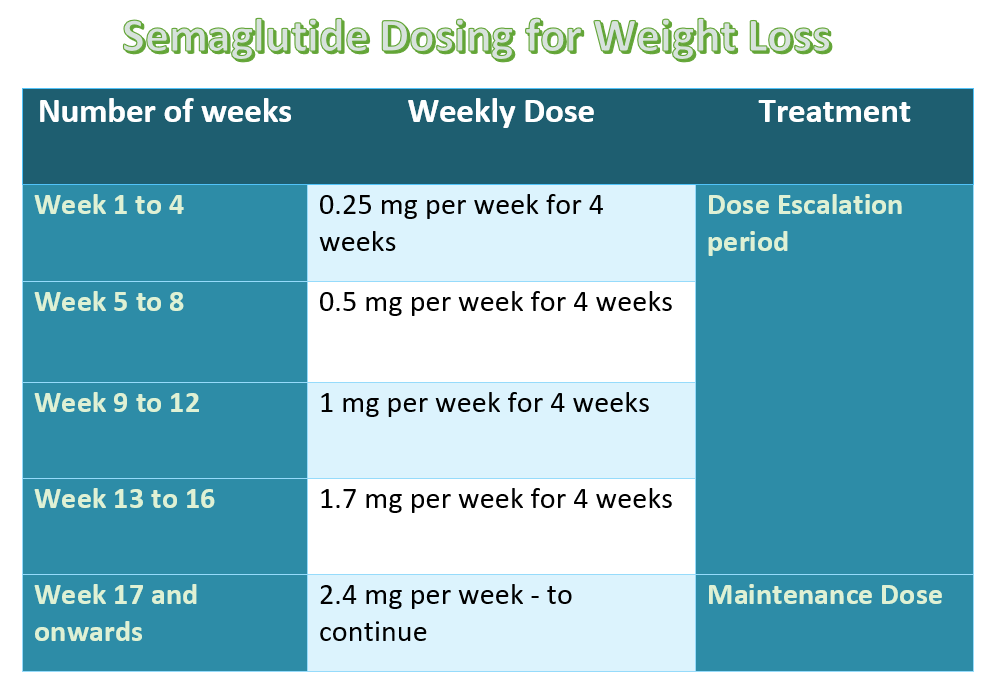
Semaglutide Weight Loss Dosage Chart
A structured dosage escalation minimizes side effects and enhances tolerability.
| Weeks | Dosage (mg/week) | Purpose |
| 1–4 | 0.25 | Initiation phase to acclimate the body |
| 5–8 | 0.5 | Begin appetite suppression |
| 9–12 | 1.0 | Enhanced appetite control |
| 13–16 | 1.7 | Further appetite reduction |
| 17+ | 2.4 | Maintenance dose for sustained weight loss |
Note: Dosage adjustments should always be guided by a healthcare professional, especially if side effects occur.
Clinical Evidence Supporting Semaglutide for Weight Loss
The STEP (Semaglutide Treatment Effect in People with Obesity) trials have provided robust evidence of semaglutide’s efficacy:
- STEP 1 Trial: Participants on 2.4 mg semaglutide experienced an average weight loss of 14.9% over 68 weeks, compared to 2.4% in the placebo group.
- STEP 2 Trial: Individuals with type 2 diabetes achieved a 9.6% weight reduction on semaglutide versus 3.4% with placebo.
These studies underscore semaglutide’s potential as a powerful tool in weight management strategies.
Best Practices While Using Semaglutide
- Consistency: Administer injections on the same day each week.
- Monitor Side Effects: Common side effects include nausea, vomiting, diarrhea, and constipation.
- Dietary Habits: Consume smaller, slower meals to accommodate delayed gastric emptying.
- Hydration: Maintain adequate fluid intake, especially if gastrointestinal symptoms occur.
- Lifestyle Integration: Combine medication with a calorie-controlled diet and regular physical activity for optimal results.
Who Should Consider Semaglutide?
Semaglutide is FDA-approved for adults who:
- Have a Body Mass Index (BMI) ≥ 30 (obesity).
- Have a BMI ≥ 27 (overweight) with at least one weight-related condition, such as hypertension or type 2 diabetes.
Consultation with a healthcare provider is essential to determine eligibility and appropriateness of treatment.
Frequently Asked Questions (FAQs)
Q1: How soon can I expect to see weight loss results?
A1: Weight loss varies among individuals. Clinical trials have shown significant weight reduction over 68 weeks, with some patients experiencing up to 15% body weight loss when combined with diet and exercise.
Q2: Can I remain on a lower dose if I experience side effects?
A2: Yes. If side effects are problematic, your healthcare provider may recommend staying at a lower dose for a longer period or reducing the dose temporarily before attempting to increase it again.
Q3: Is semaglutide suitable for everyone seeking weight loss?
A3: Semaglutide is typically prescribed for adults with a BMI of 30 or higher, or 27 or higher with weight-related health conditions. It is essential to consult a healthcare provider to determine if semaglutide is appropriate for you.
Q4: Are there any long-term risks associated with semaglutide?
A4: While semaglutide is generally well-tolerated, it carries a boxed warning about potential thyroid C-cell tumors based on rodent studies. It is not recommended for individuals with a personal or family history of medullary thyroid carcinoma or multiple endocrine neoplasia syndrome type 2.
Q5: Can semaglutide be used without lifestyle changes?
A5: For optimal results, semaglutide should be used in conjunction with a reduced-calorie diet and increased physical activity. Lifestyle modifications enhance the medication’s effectiveness in achieving weight loss goals.
Conclusion
Semaglutide offers a promising option for individuals seeking medical assistance in weight loss. By following a structured dosage schedule and working closely with a healthcare provider, patients can maximize the benefits of semaglutide while minimizing potential side effects. Remember, combining semaglutide with healthy lifestyle changes is key to achieving and maintaining weight loss success.
For a more detailed exploration of semaglutide’s dosage and its role in weight loss, visit Dr. Diana Rangaves’ article: [Semaglutide Weight Loss Dosage Chart: A Simple Guide](https://dianarangaves.com/2025/04/