

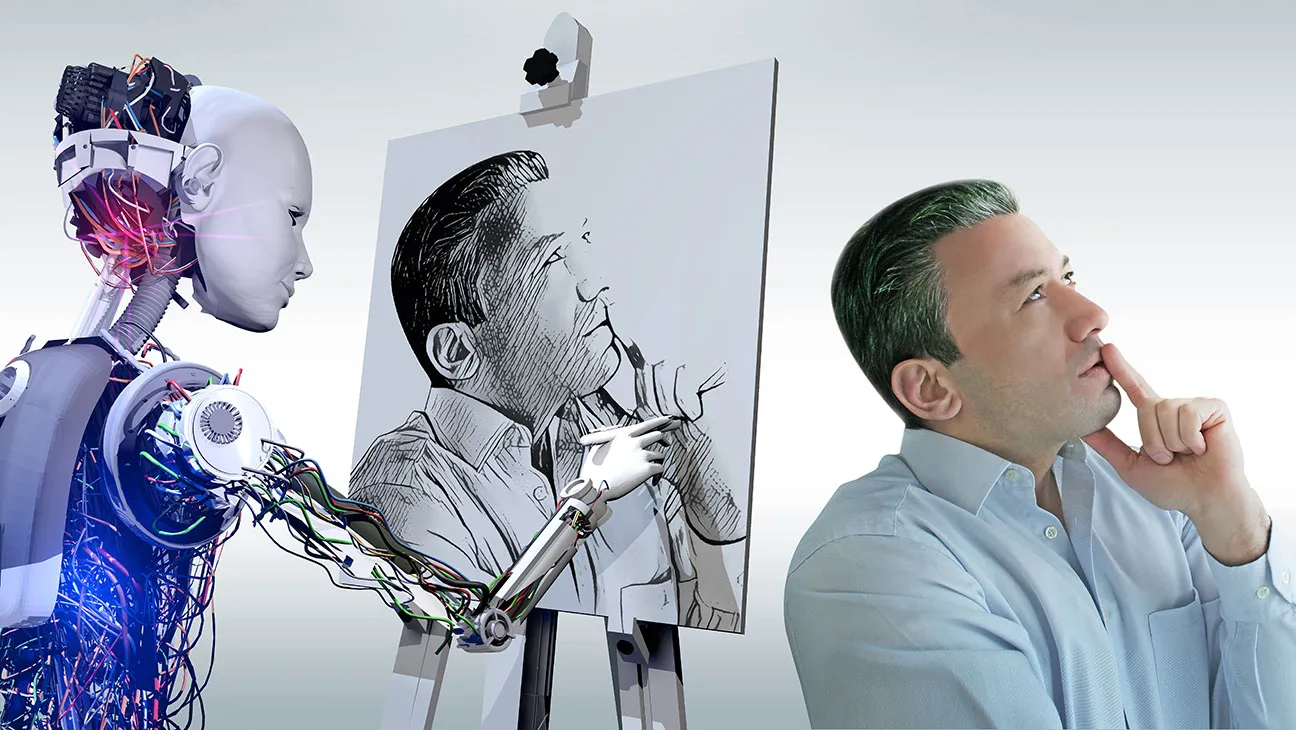
As businesses and creators utilize AI tools to generate art, writing, or code, disputes are arising over whether these outputs infringe upon existing works. A copyright infringement lawyer can assess whether derivative content crosses legal boundaries or falls under transformative use. These are cutting-edge issues where case law is rapidly evolving.
Understanding Copyright in AI-Generated Work
The Basics of Copyright and AI
When discussing copyright in the realm of AI-generated work, it’s crucial first to understand the basic tenets of copyright law. Copyright primarily exists to protect the rights of the creator by granting them exclusive rights to their creation. Typically, these rights include reproduction, distribution, and display, among others. However, AI-generated work presents a unique challenge. Unlike traditional works created by humans, AI-generated content often lacks a clear, identifiable human creator. This raises the question: Can copyright law protect a machine or its output?
The Role of Human Input
One of the most debated aspects in this field is the level of human involvement required for a work to be eligible for copyright protection. In many jurisdictions, copyright protection is contingent upon the work being “original” and “authored” by a human, making purely machine-generated content potentially ineligible for protection. The degree of human input, such as setting parameters, selecting data, or refining outputs, may influence whether the final piece can be copyrighted.
Legal Challenges: When Infringement Isn’t So Obvious
Ambiguity in Ownership
One of the primary legal challenges surrounding AI-generated work is the ambiguity in ownership. Traditional copyright laws are designed with human creators in mind, presenting a conundrum when a machine is the creator. Normally, copyright is automatically granted to the author of a work. However, when AI generates content, determining the rightful owner becomes a complex task. Is it the programmer, the user, or the AI itself? This ambiguity can lead to disputes, as there are no clear guidelines on how to allocate copyright ownership for AI-generated works.
The Gray Area of Originality
Originality is another facet of copyright law that becomes blurred with AI-generated content. Copyright protection is given to original works. However, AI systems generate content based on pre-existing data, raising questions about whether the output is truly original. Since AI can produce works that closely resemble existing copyrighted material, it can lead to unintentional infringement. Determining the threshold of originality in AI-generated works is an ongoing challenge for lawmakers.
Enforcement Complexities
Enforcing copyright laws for AI-generated content presents its own set of difficulties. Since AI can rapidly produce large volumes of content, monitoring and policing potential infringements is a daunting task. Furthermore, infringing content can easily be altered or manipulated, complicating the identification and enforcement process. This necessitates the development of advanced tools and technologies to effectively track and manage copyright infringements in the digital age.
Navigating Copyright Laws for AI Art and Content
Understanding the Legal Landscape
In the ever-evolving realm of artificial intelligence, copyright laws are struggling to keep pace. As AI-generated art and content become more prevalent, the question of ownership and rights becomes increasingly complex. Traditionally, copyright protects the works of human authors, granting them exclusive rights to reproduce, distribute, and display their creations. However, the advent of AI challenges these conventions, as machines, rather than humans, produce these works.
Ownership and Attribution
A critical question arises: Who owns AI-generated content? Currently, most copyright laws do not recognize AI as an author, which means a human must be attributed as the creator. Typically, this attribution falls to the individual or entity that operates the AI or inputs the data; however, this can vary depending on the jurisdiction and specific circumstances. As courts and lawmakers grapple with these issues, it’s essential for those utilizing AI for content creation to understand local laws and potential challenges.
The Role of Originality
Originality is a cornerstone of copyright protection. For a work to be eligible, it generally must be new and possess some degree of creativity. This presents a dilemma for AI content, which often synthesizes existing data and art. Although AI can generate unique outputs, determining whether they meet the threshold of creativity is a contentious issue. As legal definitions of originality evolve, creators should remain vigilant to ensure their AI-generated work aligns with current legal standards.
Final Thoughts
In navigating the complex terrain of copyrighting AI-generated work, you find yourself at the intersection of innovation and legal ambiguity. The nuances of intellectual property rights in this domain demand a cautious and informed approach. Consulting with a copyright infringement lawyer can help you understand and effectively protect your creative outputs from emerging legal standards. As AI continues to evolve, so too must your strategies for protecting creative outputs.