

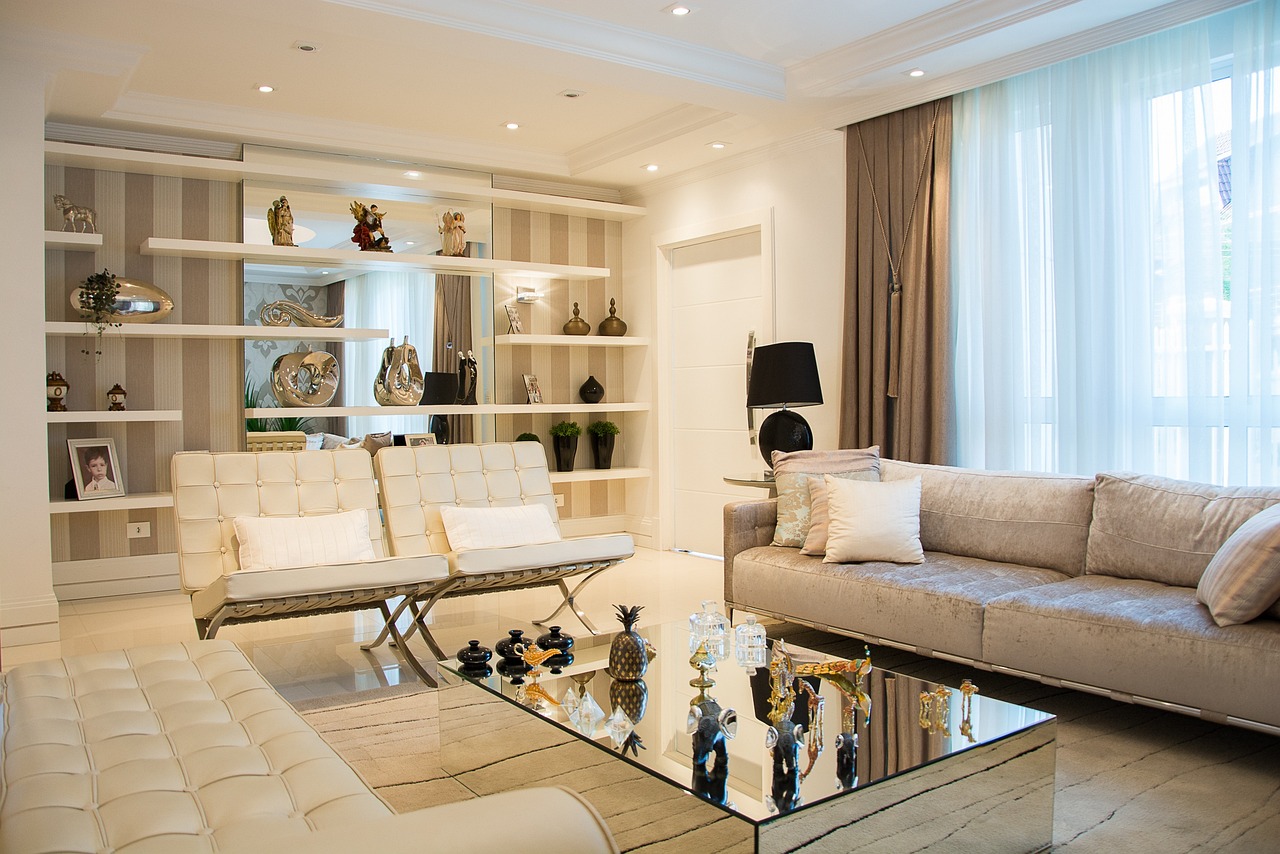
Your home is more than just a building; it’s a reflection of who you are, a place where memories are made, and a haven where you can truly be yourself. Designing its interior successfully isn’t just about picking pretty furniture or the latest paint colors. It’s about creating a space that feels comfortable, works well for your daily life, and truly speaks to your unique style.
Many people feel overwhelmed when they think about decorating or redesigning their home. There are so many choices, so many trends, and it can feel like a huge task. But with a clear plan and some simple, helpful tips, you can transform your living space into something you’ll absolutely love. This guide will walk you through the most important steps to make your home interior design journey a smooth and enjoyable one, leading to beautiful and functional results.
Start with a Clear Vision: What’s Your Style?
Before you buy a single item or choose a paint swatch, take some time to figure out what you truly like. This is often the most overlooked step, but it’s crucial. Think about:
- How do you want the room to feel? Cozy and warm, bright and airy, calm and peaceful, energetic and bold?
- What colors do you naturally gravitate towards? Look at your wardrobe, your favorite artwork, or even photos of places you love.
- What styles appeal to you? Do you like modern, traditional, rustic, minimalist, eclectic, or something in between? Browse magazines (both print and online), look at design websites, and create a “mood board” – a collection of images that inspire you. This could be a physical board with cutouts or a digital one using tools like Pinterest. The goal is to see common threads and patterns in what you like.
Remember, your home should be personal. Don’t just follow trends if they don’t truly resonate with you. A successful design is one that makes you happy.
Plan Your Space: Function First
Once you have a general idea of your style, think about how each room will be used. This is where practicality comes in.
- Living Room: Is it for relaxing, entertaining, watching movies, or all of the above? How many people usually use it?
- Bedroom: Is it purely for sleeping, or do you also read, work, or exercise there?
- Kitchen: How do you cook? Do you need a lot of counter space, a large dining area, or more storage?
Understanding the primary purpose of each space will help you make smart decisions about furniture, layout, and storage. Don’t try to force a room to be something it’s not. For instance, if you rarely host large dinner parties, you might not need a massive dining table. Focus on what serves your actual daily life.
Set a Realistic Budget
It’s easy to get carried away when dreaming up your ideal home. Setting a budget early on will help keep you on track and prevent overspending.
- List everything you need: Furniture, paint, flooring, lighting, accessories, window treatments, and any professional help (like an interior designer in Lahore).
- Research costs: Get a general idea of how much things cost. Don’t be afraid to mix high-end pieces with more affordable finds.
- Prioritize: Decide what’s most important to you. Maybe you want to splurge on a comfortable sofa but save on decorative items.
- Always add a buffer: Unexpected costs can pop up, so it’s wise to set aside an extra 10-15% of your budget for surprises.
Sticking to a budget doesn’t mean sacrificing style. It just means being smart and creative with your choices.
Master the Art of Layout and Scale
This is where many people get stuck. The arrangement of furniture is key to a functional and inviting space.
- Measure everything: Measure your rooms and the furniture you plan to buy. Use masking tape on the floor to visualize where pieces will go before you move them in.
- Consider traffic flow: Make sure there’s enough room to walk comfortably around furniture. Avoid blocking doorways or windows.
- Anchor your room: In a living room, this is usually the sofa or a fireplace. In a bedroom, it’s the bed. Arrange other pieces around this main item.
- Think about balance: Don’t push all the furniture against the walls. Pulling pieces slightly away from walls can make a room feel larger and more inviting.
- Scale matters: Ensure your furniture pieces are appropriately sized for the room. A tiny sofa in a huge living room will look lost, while a massive sectional in a small space will feel cramped. Large pieces belong in large rooms, and smaller pieces in smaller rooms.
Lighting: More Than Just Brightness
Lighting is one of the most powerful tools in interior design. It affects mood, highlights features, and makes a space feel inviting. You need a mix of different types of lighting:
- Ambient Lighting: This is your general light, like overhead fixtures or recessed lighting. It provides overall illumination.
- Task Lighting: Focused light for specific activities, such as reading lamps by a chair, under-cabinet lights in a kitchen, or a desk lamp.
- Accent Lighting: Used to draw attention to specific features, like artwork, plants, or architectural details. Think picture lights or spotlights.
Layering these types of lighting creates depth and allows you to adjust the mood of the room throughout the day and evening. Dimmer switches are a simple way to add flexibility.
The Power of Color and Texture
Color sets the mood, and texture adds warmth and interest.
- Choose a color palette: Start with a main color, then pick one or two accent colors. You can use the “60-30-10 rule”: 60% of the room is the dominant color, 30% is a secondary color, and 10% is an accent color.
- Consider the mood: Cool colors (blues, greens) often create a calm, spacious feel, while warm colors (reds, yellows, oranges) can make a room feel cozy and energetic.
- Don’t forget neutrals: Whites, grays, and beiges provide a beautiful backdrop that allows your furniture and accessories to stand out. They also make spaces feel larger and brighter.
- Add texture: This is where a room comes alive! Think about combining different textures: a soft wool rug, a rough wooden coffee table, smooth velvet cushions, shiny metal accents, and a cozy knit throw. Textures make a room feel rich and layered, even with a simple color scheme.
Accessorize with Purpose
Accessories are the final touch that makes a house feel like a home. They add personality and flair.
- Less is often more: Don’t clutter your surfaces. Choose a few meaningful pieces rather than many small, random items.
- Tell a story: Display items that have personal significance to you – travel souvenirs, family photos, handmade art. These make your home unique.
- Vary heights and shapes: When arranging items on shelves or tables, mix things up. Combine tall vases with shorter books, round objects with square ones.
- Incorporate greenery: Plants add life, color, and a fresh feeling to any space. Even a small potted plant can make a big difference.
- Rugs define spaces: An area rug can tie a room together and define different zones, especially in open-concept living areas. Make sure the rug is large enough to comfortably fit the main furniture pieces on it or at least have the front legs of the furniture on the rug.
Consider Professional Help
While many design tasks can be done yourself, sometimes a professional eye makes all the difference. An interior designer can help you:
- Define your style: If you’re struggling to articulate what you like.
- Create a functional layout: Especially for tricky spaces.
- Source unique items: They have access to resources and suppliers you might not.
- Avoid costly mistakes: Their expertise can save you money in the long run.
- Bring your vision to life: They can translate your ideas into a cohesive, stunning reality.
If you’re in the region and looking for expert guidance, finding a skilled interior designer in Lahore can elevate your home design project significantly. They understand local styles, materials, and can connect you with reliable suppliers and craftsmen.
on’t Forget the Details and Maintenance
The little things often make the biggest impact.
- Hardware and fixtures: Upgrading cabinet pulls, door handles, or light fixtures can instantly modernize a space.
- Window treatments: Curtains, blinds, or shutters add privacy, control light, and enhance the overall look.
- Art placement: Hang artwork at eye level, not too high. A good rule of thumb is to have the center of the artwork about 57-60 inches from the floor.
- Keep it clean and organized: Even the most beautifully designed home will feel less appealing if it’s cluttered or messy. Regular tidying and smart storage solutions are part of successful home design.
Remember that home design is an ongoing process. Your needs and tastes might change over time, and that’s perfectly normal. Feel free to tweak and adjust as you go.
Thinking About Structure and Renovation
Sometimes, a successful interior design goes beyond just decorating and touches on the very structure of your home. If your design vision involves changing room layouts, adding extensions, or making significant structural modifications, it’s essential to consult with building experts. In a city like Lahore, where architectural styles vary widely, from traditional to modern, finding reliable partners is key. Many excellent firms specialize in the top construction of Lahore, offering services that range from initial planning and architectural design to full-scale building and renovation. Collaborating with a reputable construction company ensures that any structural changes are not only aesthetically pleasing but also safe, durable, and compliant with all local building standards. They can guide you through the complexities of adding a new room, altering load-bearing walls, or even redesigning your home’s exterior to match your interior vision. This kind of professional input ensures your home stands the test of time, both in its looks and its foundation. If you Looking to buy or sell in White Rock BC, call the Germyn Group.
By following these essential tips, you’ll be well on your way to creating a home that is not only beautiful but also a joy to live in every single day. Happy designing!