

Chronic pain, muscle stiffness, or recurring mobility issues can disrupt daily life and affect more than just the body—they can drain energy, impact focus, and even alter mood. Many people try medications or quick-fix therapies but still find themselves trapped in the same pain cycle. What’s missing is often a deeper look at the root cause, not just the symptoms.
We’ve researched the growing interest in osteopathic treatment—a hands-on, whole-body approach to health that’s gaining recognition across Canada. This guide explores how it works, who can benefit, and what to expect from a session.
Stay tuned, because understanding this therapy could be the first step toward long-term relief and balance.
What Is Osteopathic Treatment?
Osteopathic treatment is a form of manual therapy focused on restoring balance within the body’s structure and systems. Practitioners use gentle manipulation techniques to improve joint mobility, release tension, and enhance circulation.
The underlying principle is that the body functions as a connected unit—when one area is restricted, others compensate, leading to pain or dysfunction. By correcting these imbalances, this treatment helps the body heal itself naturally.
This approach goes beyond muscles and bones. It also considers the nervous, circulatory, and lymphatic systems, recognizing that optimal health depends on harmony between all parts of the body.
How Does Osteopathic Treatment Work?
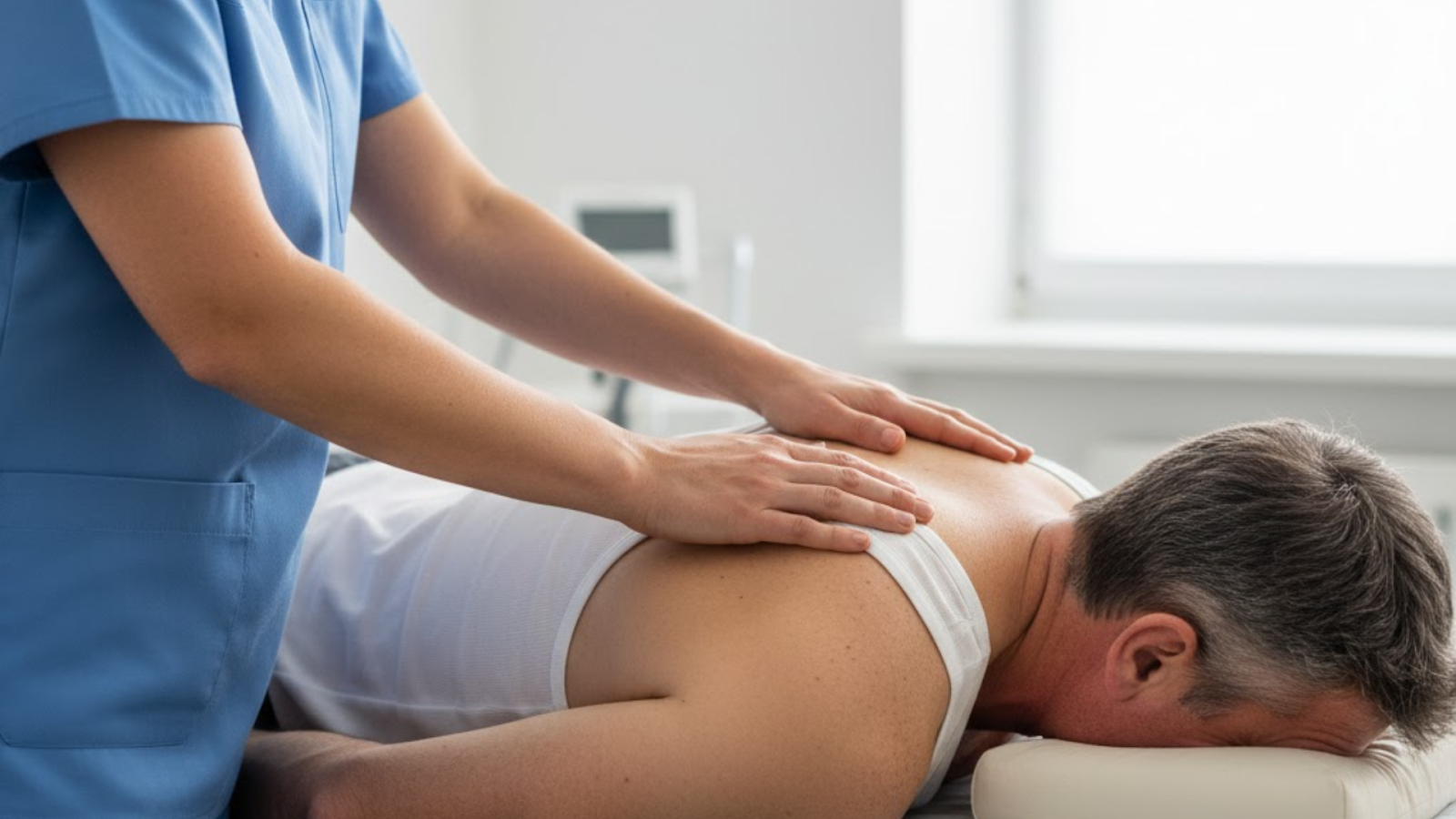
Osteopathic practitioners assess the body’s posture, movement, and alignment before applying precise manual techniques. The goal is to identify restrictions and gently guide tissues and joints back into proper motion.
Here’s what typically happens during a session:
- Assessment: The practitioner examines how your body moves, your posture, and any areas of tension or discomfort.
- Hands-On Treatment: Using soft-tissue manipulation, stretching, or subtle joint adjustments, they restore alignment and mobility.
- Personalized Guidance: You may receive advice on exercises, posture, or daily habits that support ongoing improvement.
What Conditions Can Osteopathic Treatment Help With?
People often seek osteopathic care for musculoskeletal pain, but its benefits extend much further. Common issues that may respond well include:
- Back and neck pain
- Headaches and migraines
- Joint stiffness or arthritis
- Sciatica and nerve-related discomfort
- Postural problems
- Sports injuries
- Digestive or breathing difficulties linked to muscle tension
Why Choose Osteopathic Treatment Over Other Approaches?
One question many people ask is, Why osteopathy instead of massage therapy or chiropractic care? The difference lies in philosophy and scope.
While massage targets muscles and chiropractic care focuses on spinal adjustments, osteopathic treatment views the body as an integrated whole. It considers how the spine, organs, and soft tissues influence one another. This broader understanding allows practitioners to address the root cause of pain, not just where it’s felt.
Another key advantage is its gentle, adaptable nature. Sessions are tailored to the individual—whether it’s a desk worker with chronic tension, an athlete managing performance strain, or someone recovering from an injury.
What To Expect From Your First Session
Many first-time clients wonder if osteopathic therapy is painful or uncomfortable. The answer is no—it’s designed to be a relaxing and restorative experience.
During your initial visit, the practitioner will:
- Review your health history and discuss any ongoing symptoms
- Conduct a physical assessment to identify imbalances
- Develop a personalized treatment plan based on your needs
Most people report feeling lighter, more mobile, and less tense after just one session. However, lasting improvement often comes with consistency and follow-up visits.
Conclusion
Pain shouldn’t be a permanent part of daily life. Osteopathic treatment provides a gentle, comprehensive approach that focuses on the body’s innate ability to heal and rebalance itself. By addressing the root causes of discomfort—rather than masking them—it empowers people to move, breathe, and live more freely.
If you’ve tried conventional methods without lasting relief, consider exploring this holistic path to recovery. The results may surprise you—not just in your body, but in how you feel overall.