

When summer temperatures soar, nothing causes more immediate panic than a broken cooling system. Seeking emergency AC repair services during the season’s first heatwave is both stressful and expensive, yet thousands find themselves in this exact situation every year. What many homeowners don’t realize is that most costly air conditioning repair situations could be avoided entirely with some preventative maintenance. The difference between a $150 tune-up and a $1,500 emergency repair isn’t just financial – it’s the difference between comfort and chaos when you need cooling the most.
The Economics of Preventative Maintenance
Think of your HVAC system like a car. You wouldn’t drive 50,000 miles without changing the oil, then act surprised when the engine fails. Yet many treat their air conditioning systems with far less care than their vehicles, despite similar price tags and importance to daily comfort.
A properly maintained cooling system typically uses 15-20% less energy than a neglected one. For the average household, this translates to savings of $30-50 monthly during heavy usage periods. Over a system’s 10-15 year lifespan, routine maintenance doesn’t just prevent air conditioner repairs – it pays for itself several times over through efficiency alone.
The Perfect Timing: When to Schedule Your Tune-Ups
Timing is everything when it comes to HVAC maintenance. Schedule your cooling system check-up in early spring, before the first hot day sends everyone scrambling for air conditioning service. Not only will you have more appointment options, but technicians can work without the pressure of emergency calls backing up their schedule.
For heating systems, aim for early fall inspections before the first cold snap. This staggered approach ensures each part of your system receives detailed attention when it matters most, while spreading out any potential costs throughout the year rather than facing multiple repairs simultaneously.
Regular HVAC maintenance not only ensures optimal performance but also extends the lifespan of your system, saving you from costly replacements. For residents in Florida, where the climate demands efficient cooling, keeping your system in top shape is crucial. If you encounter issues, timely intervention can prevent minor problems from escalating. For instance, seeking professional Tallahassee cooling system repairs can address any inefficiencies promptly, ensuring your home remains comfortable without breaking the bank. By prioritizing regular check-ups and addressing repairs swiftly, you can enjoy a well-functioning HVAC system that supports both your comfort and financial well-being.
What Actually Happens During These Tune-Ups?
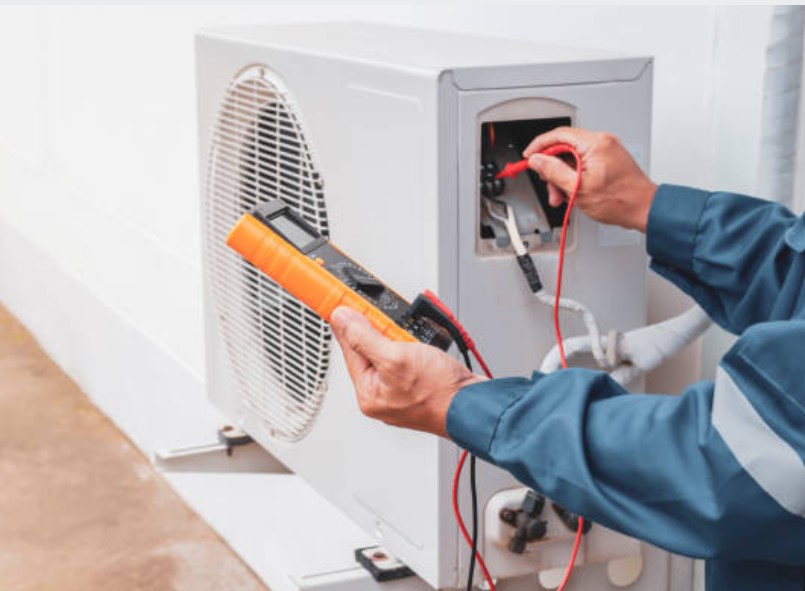
Many homeowners skip maintenance because they don’t understand its value. During a standard air conditioner maintenance visit, a good technician will:
- Clean or replace air filters
- Check refrigerant levels and pressure
- Clean condenser coils and evaporator
- Calibrate thermostat accuracy
- Inspect and clean drainage systems
- Test electrical connections and components
- Lubricate all moving parts
- Check overall system operation and efficiency
Each of these steps addresses potential failure points before they escalate into complete system breakdowns requiring expensive air conditioning repairs. It’s like having a doctor catch high blood pressure before it leads to a heart attack – prevention is always less expensive than emergency intervention.
DIY Maintenance Between Professional Visits
While comprehensive tune-ups require specialized tools and expertise, several maintenance tasks fall firmly within DIY territory. Regularly checking and changing air filters is perhaps the single most important step homeowners can take between professional visits. A clogged filter forces your system to work harder, increasing energy costs by up to 15% while accelerating wear on critical components.
Other simple tasks include keeping outdoor units clear of debris, ensuring indoor vents remain unblocked, and monitoring system performance for any changes in cooling effectiveness, unusual noises, or unexpected cycling patterns. These basic observations can help identify potential issues before they require extensive air conditioner repair work.
The Comfort Factor: Beyond Just Dollars and Cents
While the financial benefits of avoiding emergency HVAC repairs are compelling, the comfort factor deserves equal consideration. Anyone who has endured a system breakdown during extreme weather understands that the resulting discomfort transcends mere inconvenience.
Having your cooling system fail during a heatwave isn’t just uncomfortable – it can be dangerous for vulnerable family members like the elderly or very young. The peace of mind that comes from knowing your system has been thoroughly inspected and maintained is, for many, worth the maintenance cost alone. It’s similar to the relief of knowing your home has fresh smoke detector batteries – some precautions deliver value far beyond their monetary cost.
Long-Term System Lifespan: The Ultimate Savings
Perhaps the most compelling financial argument for regular maintenance comes when considering complete system replacement costs. A well-maintained HVAC system typically lasts 15-20 years, while neglected systems often fail permanently within 8-10 years.
With replacement costs ranging from $5,000 to $10,000 depending on home size and system type, extending your system’s lifespan through proper maintenance represents the largest potential savings of all. Each year of additional service you gain through proper maintenance essentially saves you $500-1,000 in amortized replacement costs.
Finding Balance: The Reasonable Approach to Maintenance
Like most things in life, HVAC maintenance benefits from a balanced approach. Some companies push excessive service contracts with unnecessary monthly visits, while complete neglect leads to premature system failure and expensive air conditioning repair needs.
For most homeowners, the sweet spot lies in scheduling professional tune-ups twice yearly (spring for cooling, fall for heating), combined with basic DIY maintenance like filter changes every 1-3 months depending on usage and household factors like pets or allergies. This approach maximizes system efficiency and lifespan while minimizing both maintenance costs and breakdown risks.
A Cooler Perspective on Summer Expenses
When the hottest days of summer arrive, the value of a properly functioning cooling system becomes crystal clear. By investing in regular maintenance and catching potential issues before they escalate into emergency air conditioner repair situations, you’re not just saving money – you’re buying peace of mind during the seasons when comfort matters most.
Remember, your HVAC system works hardest when you need it most. A little preventative care goes a remarkably long way toward ensuring it remains ready for whatever weather challenges lie ahead.