

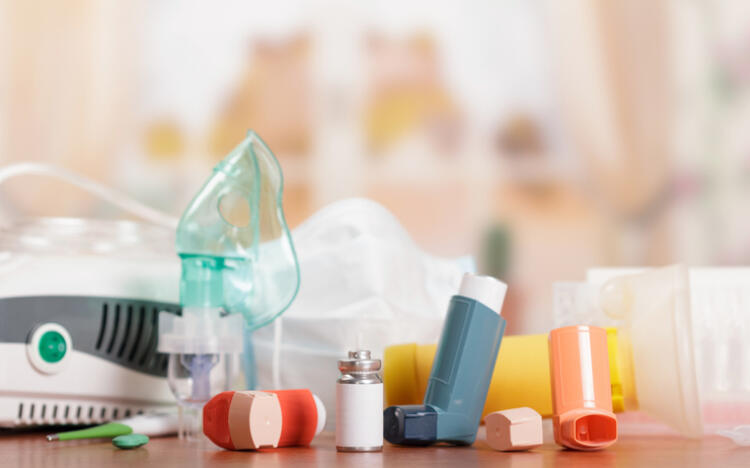
Inhaler devices are critical medical devices that are used to deliver medication directly to the lungs of patients with respiratory conditions, such as asthma, chronic obstructive pulmonary disease (COPD), and cystic fibrosis. Inhaler devices come in various forms, including metered-dose inhalers (MDIs), dry powder inhalers (DPIs), and nebulizers. Inhaler device manufacturers are responsible for designing, developing, and manufacturing these devices to meet the needs of patients and healthcare providers.
The role of inhaler device manufacturers is crucial in the management of respiratory diseases. These manufacturers are responsible for ensuring that their devices are safe, effective, and easy to use. They must also ensure that their devices meet the regulatory requirements set forth by the governing bodies in their respective countries. Inhaler device manufacturers must work closely with healthcare professionals and patients to understand their needs and preferences to develop inhaler devices that are tailored to their requirements.
One of the most important considerations for inhaler device manufacturers is ensuring that their devices are easy to use. Patients with respiratory conditions often have difficulty using traditional inhalers due to coordination and dexterity issues. Inhaler device manufacturers must develop devices that are easy to use, even for patients with limited mobility or dexterity. This can be achieved through the use of design features, such as larger buttons, clearer instructions, and audible feedback that make it easier for patients to use their inhaler devices correctly.
Another critical consideration for inhaler device manufacturers is ensuring that their devices are compatible with the medications they are designed to deliver. Different types of inhalers are designed to deliver different types of medications. Manufacturers must ensure that their inhaler devices are compatible with the medications prescribed by healthcare providers to ensure that patients receive the correct dose of medication. This involves working closely with pharmaceutical companies to ensure that their inhaler devices are optimized to deliver specific medications.
In addition to ensuring that their inhaler devices are easy to use and compatible with medications, inhaler device manufacturers must also ensure that their devices are safe and effective. Safety is critical when it comes to inhaler devices, as patients with respiratory conditions are often more vulnerable to adverse reactions. Manufacturers must conduct rigorous testing to ensure that their inhaler devices are safe for use and do not pose any unnecessary risks to patients.
Effectiveness is also critical when it comes to inhaler devices. Inhaler devices must deliver the correct dose of medication to the lungs of patients to ensure that they receive the maximum therapeutic benefit from their medication. Manufacturers must conduct extensive testing to ensure that their inhaler devices deliver the correct dose of medication consistently.
Inhaler device manufacturers must also ensure that their devices are cost-effective. Patients with respiratory conditions often require long-term medication management, and the cost of inhaler devices can add up quickly. Manufacturers must balance the cost of producing inhaler devices with the need to provide high-quality devices at an affordable price. It involves using innovative manufacturing processes and materials to reduce costs while maintaining the quality and effectiveness of their inhaler devices.
In conclusion, inhaler device manufacturers play a critical role in the management of respiratory diseases. They are responsible for developing inhaler devices that are easy to use, compatible with medications, safe and effective, and cost-effective. Manufacturers must work closely with healthcare professionals and patients to understand their needs and preferences to develop inhaler devices that are tailored to their requirements. By doing so, inhaler device manufacturers can help patients with respiratory conditions manage their conditions effectively and improve their quality of life.