

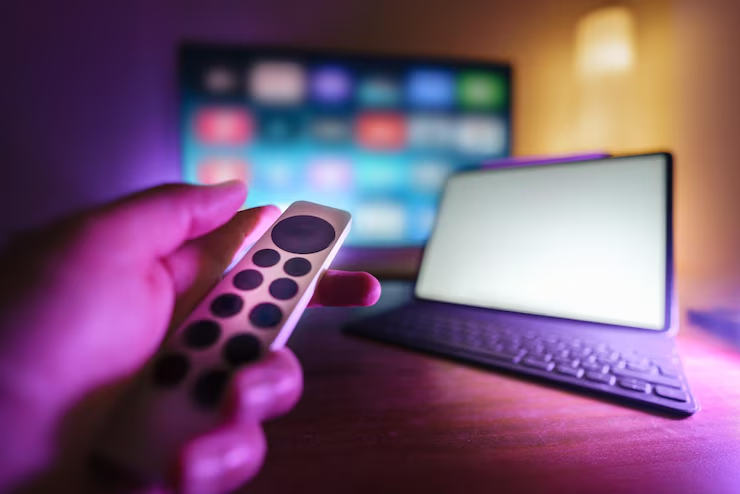
The ultimate guide to IPTV and how IPTV could probably be the greatest thing in upcoming times for the economy and quality content for watching television. IPTV, or Internet Protocol Television, is altering how we perceive the media. At a time when conventional cable and satellite TV have become exorbitantly priced and not flexible enough, IPTV provides a dynamic alternative cost-effectively and very flexibly. If you’re looking for innumerable channels, on-demand video content, or HD streaming, IPTV would deliver all this with a difference compared to the standard service pricing.
The speed and reliability of the internet are increasing, and so will IPTV’s popularity. In this guide, we discuss what IPTV exactly means, its benefits, working, and why it is rapidly becoming popular among millions worldwide.
What is IPTV and how is it working?
Generally, IPTV, or Internet Protocol Television, gives you TV over the internet instead of traditional satellite or cable methods. The streaming is done on the device using an internet protocol (IP) as a means of broadcasting television programs. Unlike traditional broadcast methods depending on satellite signals or cables, IPTV delivers its media content through broadband access to the internet which gives it a wider scope and convenience in usage.
Many viewers often explore iptv pakket to compare subscription plans, content libraries, and streaming quality—only to wonder if the cost is justified.
There are three major types of IPTV solutions:
Live TV: The real-time streaming of broadcasts is very similar to conventional broadcasting.
Video on Demand (VOD): This lets one look through a catalog of movies and shows and choose to view it when it is most preferable to do so.
Time-shifted TV: Essentially, it provides the opportunity to watch runs that have already aired, thus the term “catch-up TV.”
With IPTV, it is enabled using high-bandwidth internet to communicate the broadcast, therefore allowing individuals to watch programs in various devices such as smart TVs, tablets, smartphones, and laptops among others. It makes IPTV a multi-use technology at home for purposes of entertainment.
Benefits of Using IPTV Rather than Traditional TV
1. Cost-Effective: Saves money, IPTV
Affordability is one of the greatest motivations that pull most individuals to IPTV. Monthly subscriptions for normal cable or satellite television are incredibly steep and laden with hidden fees and an extensive list of channels you may never watch. IPTV options allow the selection of specific channels and packages to eliminate waste and save money.
Flexibility in subscription plans is one of the features of many IPTV providers, and such plans are cheaper compared to cable or satellite services. Paying per view for a movie is unnecessary. This makes IPTV the best choice for someone looking to reduce television costs.
The Latest Generation of TV Shows and Movies on the Best Quality
For a start, IPTV means High Definition (HD) or even Ultra-High Definition (4K), depending on the subscription plan and the internet connection in use. Picture quality is thus much higher since it is an advanced technology compared with all satellite TV. It brings along superior audio features such as surround sound.
For all users concerned with high definition or ultra-high definition movies and shows, IPTV certainly offers comfort. Whether they use a large-screen TV or a mobile device, IPTV provides maximum enjoyment.
Content flexibility in choice
IPTV has broken this stereotypical channel line-up of movies and shows available for viewing on cable TV. Customized viewing can be defined as an activity left for the consumer to dictate. Live sports, international content, or a particular genre of movies- IPTV stands for the flexibility of content you deem for yourself.
Besides that, the other benefit of IPTV channels is the availability of video-on-demand (VOD) services, which make movies and series watchable at one’s own time without a particular schedule. This gives it a significant edge over traditional TV, where you often have to wait for the next airing of your favorite program.
4. Convenience: Follow Your Shows Anywhere, Anytime
The convenience offered by IPTV is such that you can watch a show, movie, or live telecast on near-any device. No matter if at home lounging on a smart TV or away on smartphones, IPTV guarantees that one never misses that all-important show. You can view either live or on-demand later, thus suiting people with tight schedules.
With IPTV, all one requires is a good internet connection, and then they can get watching. Such flexibility means that one can watch IPTV on a range of devices ranging from smart TVs to laptops, tablets, and smartphones.
How is the Landscape of Television Being Changed by IPTV?
The television landscape is shifting rapidly, leaving IPTV as its first chief project. Traditional broadcasting methods have gone back to the obsolete, and many consumers seem to look to internet-based services for the entertaining needs to fill this gap. Some key reasons why IPTV is the future of television are listed as follows:
1. Lessening the Dependence on Satellite and Cable Providers
One of the biggest minus points of conventional television is its bound-up nature in cable or satellite networks, which usually are costly for installation and require long-term contracts. In such states, IPTV provides an option where consumers do not subscribe to costlier cable or satellite programs, thus providing flexibility and power to tailor TV viewing according to their wishes.
Other than that, IPTV requires no physical infrastructure on its behalf, whereas subscribers get their content over the internet; hence, the whole setup is comparatively easier and cheaper.
2. Unique Viewing Experience
Another reason that is fast contributing to the proliferation of IPTV is the aspect of the personalized viewing experience it affords. Unlike conventional cable TV, where everything is buried within a maze of hundreds of channels that you have no intention of watching, IPTV allows you to access what you want-selected channels and content. Such customization also makes life easier and pleasing for the viewer.
3. Global Content Access
With IPTV, geographical restrictions on the content are minimal. You can access international content, including foreign films, television shows, and even sports events that may not be found on traditional cable networks. This is one of the reasons IPTV skyrocketed in popularity in the last few years.
What’s the Future of IPTV?
There’s no doubt about it; future television will follow in the footsteps of internet-based services like IPTV. As more people seem to be turning their backs on traditional cable and satellite services, IPTV has emerged as the faster, more affordable option that offers flexibility to consumers in controlling their content choices and when and where it could be viewed.
Availability of high-speed internet connections indicates that IPTV will only have more opportunities to grow. With advances in technology, we can expect to see even better picture quality, faster streaming speeds, and more options for content.
FAQs related to IPTV
What is IPTV and how does it function?
IPTV which is short for Internet Protocol Television, delivers television material using the internet, enabling live TV streaming along with on-demand videos, even a time-shifted portion, using fast internet connections.
How much does IPTV cost?
The cost of IPTV services varies depending on the provider and the subscription packages being chosen. But in general, IPTV is less costly compared to other sources such as cable or satellite services. Most of the providers issue packages customized to individual needs.
Can I stream IPTV on any device?
Yes, you can easily access anything on IPTV on different devices, such as using an internet connection through smart TVs, smartphones, tablets, laptops, or desktop computers.
Do I require a special internet connection for IPTV?
A stable and fast internet connection is what you basically need for an optimal IPTV viewing experience. A speed of at least 10 Mbps is recommended for viewing HD content and even higher for 4K streaming.
Is IPTV Legal?
Well, IPTV itself is okay, but you have to ensure that you go through a legitimate service, as some unauthorized IPTV services might include pirated content, which is illegal. Always use a licensed provider.
Conclusion
It’s very clear that IPTV is the future of television. It is cheap, has the best quality of services, and is quite flexible, making it a great replacement for cable or satellite. Since many will use internet-based streaming, IPTV will grow exponentially in years to come. If you need something that’s more personalized, cost-effective, and high quality, then IPTV might be just the answer for you.