

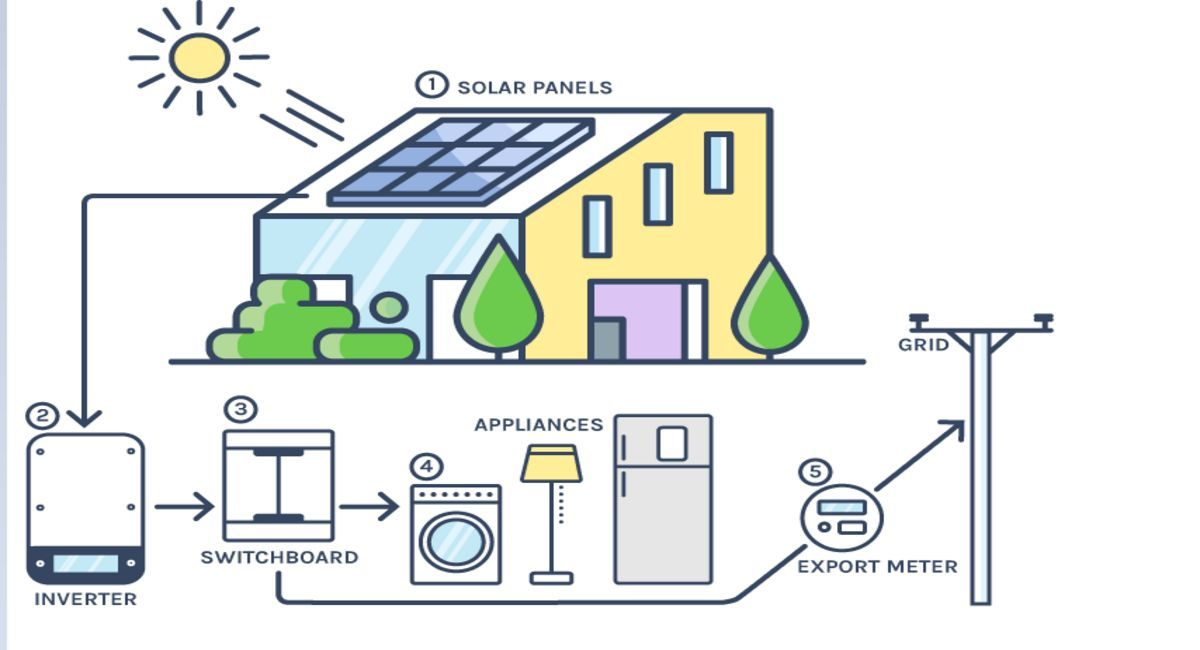
Investing in a photovoltaic (PV) system is a smart decision for reducing electricity costs and promoting sustainability. However, to maximize efficiency, it is essential to carefully plan the placement of solar panels. Proper arrangement ensures the highest possible energy yield, allowing homeowners and businesses to get the most out of their investment.
An optimized PV system depends on several factors, including roof orientation, tilt angle, shading, and system capacity. Using tools like a Photovoltaik Rechner and a Photovoltaik Kongigurator, homeowners can assess their potential solar output before installation, ensuring they make informed decisions about system size and placement. Additionally, integrating storage solutions such as Photovoltaik mit Speicher enhances efficiency by allowing surplus energy to be stored and used when needed. By designing a PV system with precision, it is possible to achieve long-term savings while contributing to a greener future.
Key Factors That Influence PV System Design
Several factors determine how to arrange solar panels for maximum efficiency. Ignoring these factors can result in lower energy output and reduced financial returns. One of the most critical considerations is the available roof space. Before finalizing a solar installation, it is necessary to analyze the dimensions of the installation area and ensure that the panels fit without obstructions. Using a Photovoltaik Kongigurator simplifies this process, allowing users to virtually position and adjust their modules before installation.
The local climate and sunlight exposure also play a crucial role in determining how much energy a PV system can generate. Areas with higher solar radiation require fewer panels to produce the same amount of energy as regions with less sunlight. By utilizing a Photovoltaik Rechner – Ertrag & Kosten sofort berechnen, homeowners can obtain a precise estimate of their potential solar output based on location-specific data. This calculation helps in determining the optimal number of solar modules needed for a given energy requirement.
Selecting the Right Type of Solar Panels
Choosing the appropriate solar panels is vital to achieving high efficiency. Monocrystalline, polycrystalline, and thin-film panels are the most common options available, each with distinct advantages. Monocrystalline panels offer the highest efficiency and are ideal for homes with limited roof space. Polycrystalline panels are a cost-effective alternative that provides a slightly lower energy output but remains a popular choice for residential installations. Thin-film panels, although less efficient, are lightweight and flexible, making them suitable for large-scale applications.
Using a Photovoltaik Kongigurator, homeowners can compare different panel types and determine which option best suits their budget and energy needs. The choice of solar modules significantly impacts the overall efficiency of a system, making it essential to select panels that offer a balance between cost and performance.
Optimizing Panel Orientation and Tilt Angle
The orientation and tilt angle of solar panels greatly influence the efficiency of a PV system. In the northern hemisphere, panels should ideally be south-facing to receive maximum sunlight exposure throughout the day. However, variations in orientation may still provide high energy yields depending on daily energy consumption patterns. East-west orientations, for example, can be beneficial for homeowners who use more electricity in the morning and evening.
The tilt angle of the panels should be adjusted to ensure that sunlight strikes the modules at an optimal angle. A properly adjusted tilt angle enhances energy absorption and maximizes output. By using a Photovoltaik Rechner, homeowners can experiment with different tilt angles to find the best configuration for their location. Seasonal adjustments to the tilt angle can further improve energy production, ensuring year-round efficiency.
Minimizing Shading and Roof Obstacles
Shading is one of the biggest obstacles to achieving maximum solar efficiency. Shadows from trees, chimneys, or nearby buildings can significantly reduce the energy output of a PV system. Even partial shading on a single module can disrupt the performance of the entire array, leading to substantial losses in energy production.
To minimize shading issues, a thorough site analysis should be conducted before installation. Using a Photovoltaik Rechner – Ertrag & Kosten sofort berechnen, homeowners can identify potential shaded areas and adjust the placement of their solar panels accordingly. Proper spacing between panels is also necessary to maintain airflow and prevent overheating, which can negatively impact efficiency.
Estimating Energy Yield and Cost Calculation
Before investing in a PV system, it is essential to calculate the expected energy yield and overall costs. The best way to do this is by using a Kosten berechnen PV tool, which allows homeowners to estimate their system’s annual output based on factors such as location, panel efficiency, and roof conditions. This calculation helps determine the payback period and return on investment, ensuring that the system is financially viable.
The cost of installing a solar system varies depending on the type of panels, installation expenses, and potential government incentives. Many regions offer subsidies and financial support programs such as Photovoltaik Förderung 2025, making it more affordable to transition to solar energy. By exploring available incentives and financing options, homeowners can significantly reduce their upfront costs and increase long-term savings.
A well-planned PV system ensures a high return on investment by minimizing electricity bills and maximizing energy generation. Using tools like Bestes Angebot PV Komplettpaket, homeowners can compare different installation services and find the most competitive pricing for their solar projects.
Enhancing Efficiency with Battery Storage Solutions
Integrating battery storage into a solar energy system provides additional benefits by allowing excess electricity to be stored for later use. With a Photovoltaik mit Speicher, homeowners can increase energy independence by reducing reliance on the grid and ensuring power availability during cloudy days or nighttime.
A well-sized storage system optimizes self-consumption and improves overall efficiency. Additionally, using a Wärmepumpe online berechnen tool can help homeowners determine how to integrate solar energy with a heat pump, maximizing energy savings and reducing heating costs. Combining a solar installation with a heat pump creates an energy-efficient solution that significantly lowers electricity expenses.
Maximizing Return on Investment Through Smart Planning
Investing in a solar energy system is not only a step toward sustainability but also a financially rewarding decision. Proper planning ensures that a PV system generates the highest possible returns by maximizing energy production and minimizing operational costs. Using tools such as Optimales PV Angebot, homeowners can find the most cost-effective solutions for their solar installations.
Financial planning plays a crucial role in optimizing the return on investment. Exploring government incentives, such as Photovoltaik Förderung 2025, can significantly lower the initial cost of installing solar panels. By using a Photovoltaik Kongigurator, homeowners can fine-tune their system specifications and ensure that their investment aligns with their energy consumption patterns. The combination of careful financial planning and efficient system design leads to substantial long-term savings.
Why Proper PV System Design Matters
The success of a photovoltaic system depends on meticulous planning and careful consideration of various factors. Every decision, from selecting the right panels to using a Photovoltaik Rechner, plays a vital role in determining the overall efficiency and financial viability of the system.
A well-designed solar installation ensures optimal energy yield by aligning panels in the best orientation and adjusting tilt angles for maximum sunlight absorption. Advanced tools like neu- online PV Rechner Module online auf Ihrem Hausdach platzieren make it easier to visualize and plan solar installations before making a financial commitment.
With the continuous advancement of solar technology and increasing incentives like Photovoltaik Förderung 2025, there has never been a better time to invest in solar energy. By following best practices in PV system design and utilizing innovative planning tools, homeowners can maximize their energy production, reduce electricity costs, and contribute to a more sustainable future.