

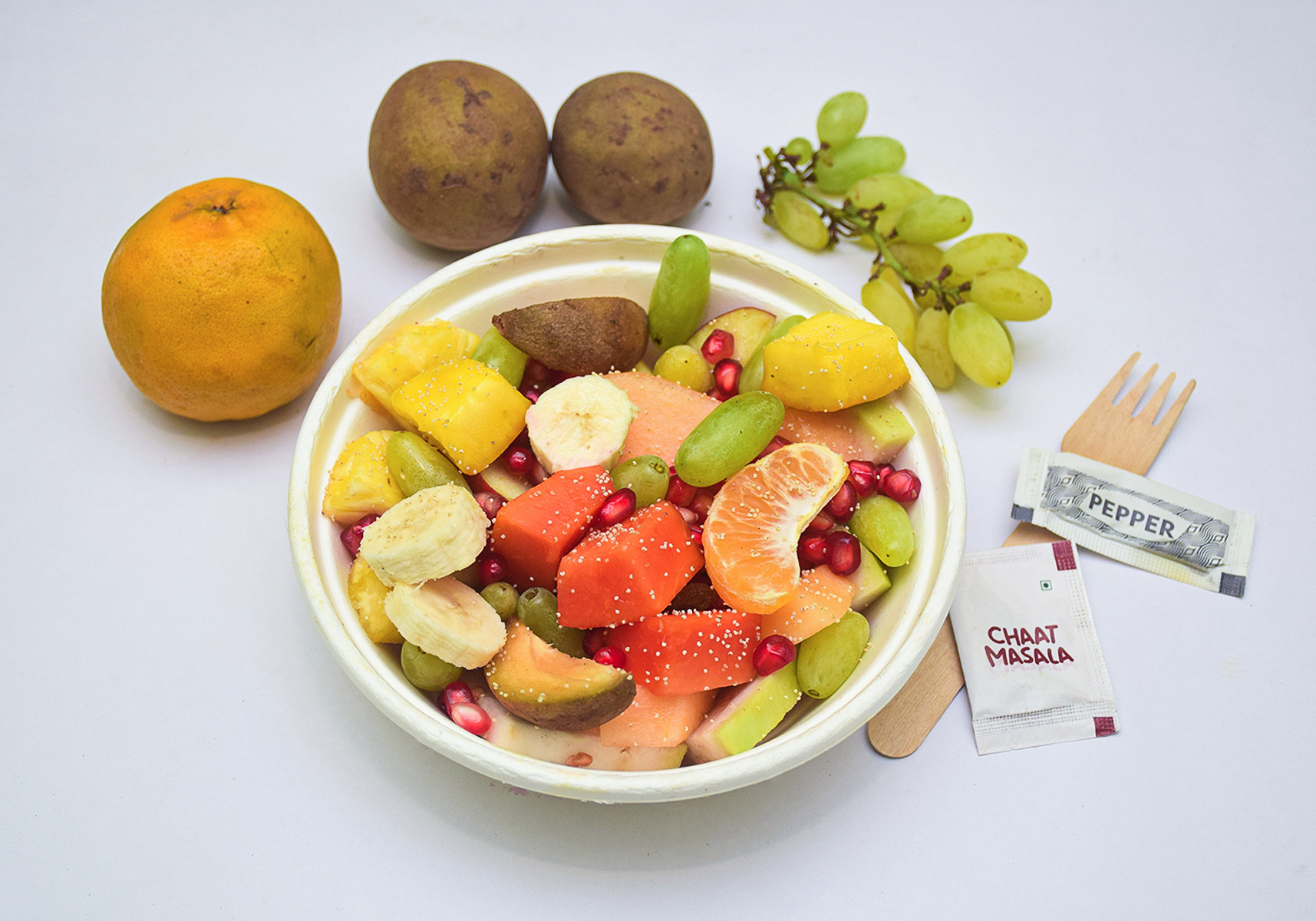
Fruit salad is one of the simplest yet most powerful additions you can make to a healthy diet. It combines a variety of fresh fruits into one colorful bowl that delivers essential vitamins, minerals, fiber, and natural energy. Understanding fruit salad nutrition facts helps you make smarter choices about ingredients, portion sizes, and how this refreshing dish supports overall wellness.
Unlike processed snacks or sugary desserts, fruit salad offers nutrients in their most natural form. When prepared correctly, it can support digestion, boost immunity, improve heart health, and provide sustained energy throughout the day. Below is a detailed breakdown of fruit salad nutrition, explained in clear paragraphs and easy-to-read points.
What Is Fruit Salad From a Nutritional Perspective?
Fruit salad is a mix of raw or lightly prepared fruits such as apples, bananas, oranges, berries, grapes, melons, and tropical fruits. Each fruit contributes a unique nutrient profile, making the combined dish nutritionally diverse.
From a nutritional standpoint, fruit salad is low in fat, naturally cholesterol-free, and rich in carbohydrates from natural sugars. These sugars are balanced with fiber, water content, and micronutrients, which helps prevent sharp blood sugar spikes when eaten in reasonable portions.
Fruit salad nutrition facts vary depending on the fruits used, but the overall benefits remain consistent: hydration, antioxidants, and essential vitamins packed into a low-calorie serving.
Average Fruit Salad Nutrition Facts (Per 1 Cup Serving)
While values differ slightly based on ingredients, a standard one-cup serving of mixed fruit salad typically contains:
- Calories: 70–100 kcal
- Carbohydrates: 18–25 g
- Natural sugars: 14–20 g
- Dietary fiber: 3–5 g
- Protein: 1–2 g
- Fat: 0–0.5 g
- Water content: 80–90%
This balance makes fruit salad a nutrient-dense food, meaning it provides high nutritional value for relatively few calories.
Vitamins Found in Fruit Salad
One of the strongest highlights in fruit salad nutrition facts is vitamin content. Because fruits are rich in water-soluble vitamins, fruit salad becomes a natural multivitamin.
Key vitamins include:
- Vitamin C: Supports immune function, skin health, and wound healing
- Vitamin A (beta-carotene): Promotes eye health and cell growth
- Vitamin K: Supports normal blood clotting and plays an important role in maintaining strong, healthy bones.
- Folate (Vitamin B9): Important for red blood cell formation
- Vitamin B6: Supports brain health and metabolism
Eating a variety of fruits ensures a broader vitamin range, which is why mixed fruit salad is nutritionally superior to a single fruit serving.
Minerals in Fruit Salad
Minerals are essential for maintaining fluid balance, muscle function, and nerve signaling. Fruit salad nutrition facts show that even though fruits are light foods, they contain valuable minerals.
Common minerals found in fruit salad include:
- Potassium: Helps regulate blood pressure and heart rhythm
- Magnesium: Supports muscle and nerve function
- Calcium: Contributes to bone strength (especially from oranges and figs)
- Iron: Present in small amounts, supports oxygen transport
- Copper and manganese: Assist enzyme function and metabolism
Potassium is particularly important, as many people do not consume enough of it daily.
Fiber Content and Digestive Benefits
Dietary fiber is a major component of fruit salad nutrition facts. Fiber slows digestion, improves gut health, and helps control appetite.
Fiber benefits from fruit salad include:
- Supports regular bowel movements
- Helps reduce constipation
- Feeds healthy gut bacteria
- Improves satiety and fullness
- Aids in blood sugar control
Fruits like apples, pears, berries, and oranges are especially high in fiber, especially when eaten with the skin intact.
Antioxidants and Protective Compounds
Fruit salad contains powerful antioxidants that protect the body from oxidative stress caused by free radicals. These compounds help calm inflammation in the body and may reduce the likelihood of developing long-term health conditions.
Important antioxidants found in fruit salad include:
- Flavonoids (berries, citrus fruits)
- Polyphenols (grapes, apples)
- Carotenoids (mangoes, papaya)
- Anthocyanins (blueberries, strawberries)
The more colorful your fruit salad, the wider the range of antioxidants you receive.
Fruit Salad and Natural Sugar Content
One common concern about fruit salad nutrition facts is sugar. While fruit does contain sugar, it is natural sugar, not added or refined.
Key points about fruit sugar:
- Comes packaged with fiber, water, and nutrients
- Digests more slowly than refined sugar
- Does not cause sharp energy crashes when portioned properly
- Is safer for metabolism than sugary snacks or desserts
Still, mindful portion sizes matter, particularly for people who need to keep their blood sugar levels balanced.
Hydration Benefits of Fruit Salad
Many fruits used in fruit salad are high in water content. Watermelon, oranges, grapes, pineapple, and strawberries contain over 85% water.
Hydration-related benefits include:
- Helps maintain fluid balance
- Supports skin elasticity
- Aids digestion
- Helps regulate body temperature
This makes fruit salad a smart option in hot climates or after physical activity.
Fruit Salad Nutrition Facts for Weight Management
Fruit salad can support weight management when eaten mindfully. It provides relatively few calories while keeping you satisfied, thanks to its high fiber and water content.
Weight-friendly benefits:
- Low energy density
- Helps reduce cravings for processed sweets
- Supports portion control
- Provides sweetness without added sugar
For best results, avoid adding syrups, sweetened yogurt, or whipped cream, which increase calories significantly.
Best Time to Eat Fruit Salad
Timing can influence how your body uses the nutrients.
Ideal times include:
- Morning: Boosts hydration and energy
- Midday snack: Curbs hunger between meals
- Post-workout: Replenishes glycogen and fluids
Eating fruit salad late at night is fine in small portions, but heavy servings may feel uncomfortable for some people.
Tips to Improve Fruit Salad Nutrition
To maximize fruit salad nutrition facts, preparation matters.
Helpful tips:
- Use fresh, seasonal fruits
- Keep fruit skins when edible
- Avoid canned fruits with syrup
- Add seeds like chia or flax for extra fiber
- Include citrus juice instead of sugar-based dressings
These small adjustments significantly improve nutritional value.
Who Should Be Careful With Fruit Salad?
While fruit salad is healthy for most people, moderation is key in certain cases.
People who should monitor intake:
- Individuals with diabetes
- Those on low-carb diets
- People with fructose intolerance
In such cases, pairing fruit salad with protein or healthy fats can help balance blood sugar response.
Final Thoughts on Fruit Salad Nutrition Facts
Fruit salad is more than just a colorful dish—it is a powerhouse of vitamins, minerals, fiber, antioxidants, and hydration. When prepared thoughtfully, it supports digestion, immunity, heart health, and weight balance without unnecessary calories.
Understanding fruit salad nutrition facts empowers you to enjoy it as a daily habit rather than an occasional treat. With smart ingredient choices and proper portions, fruit salad can easily become one of the healthiest and most enjoyable foods in your routine.