

Introduction
Access to clean and safe water is a growing concern in Mexico, affecting both its bustling cities and remote rural communities. With population growth, urbanization, and industrial development, the quality of water has been increasingly compromised. Contaminated water leads to serious health issues, including gastrointestinal diseases, skin infections, and other chronic illnesses. Water purification Mexico has become more than a convenience—it is a necessity for survival and public health. Governments and local communities are now recognizing the urgent need to implement advanced purification systems. From urban water treatment plants to household filtration units in rural areas, efforts are being made to ensure that every citizen has access to potable water. Improving water purification practices directly impacts the overall health and productivity of the population, making it a priority for sustainable development.
Challenges Facing Urban Water Supply in Mexico
Mexico’s cities face a unique set of challenges when it comes to water quality. Rapid urban growth has put tremendous pressure on infrastructure, resulting in overused pipelines, aging water treatment plants, and occasional water contamination. Many cities struggle with industrial pollutants, agricultural runoff, and untreated sewage entering water sources. This makes water purification Mexico a critical aspect of urban planning. Residents in cities like Mexico City and Monterrey often rely on bottled water or home filtration systems due to concerns about tap water safety. Inadequate maintenance of public water systems increases the risk of spreading waterborne diseases. Addressing these challenges requires a combination of modern water purification technologies, regular monitoring, and public awareness campaigns. Implementing sustainable solutions ensures safe drinking water for urban populations.
Water Quality Issues in Rural Areas
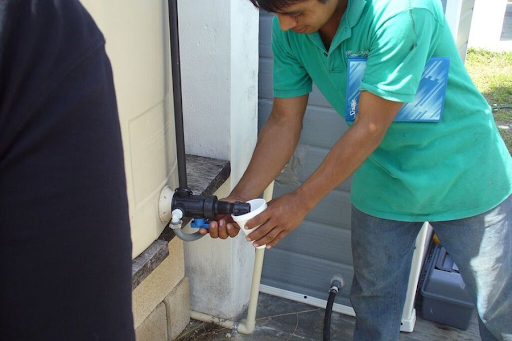
Rural areas in Mexico face a different but equally serious problem regarding water quality. Many remote communities rely on wells, rivers, or rainwater harvesting, which are often contaminated by bacteria, pesticides, and natural impurities. The lack of proper sanitation and infrastructure makes water purification Mexico an urgent requirement. Residents in these areas may not have access to municipal water treatment plants, making portable filtration systems, chlorination methods, and solar purification essential. Children and elderly populations are particularly vulnerable to waterborne diseases, highlighting the need for immediate action. Community-based education programs about water purification and hygiene can significantly reduce health risks. Investing in affordable, easy-to-use purification solutions can transform rural water safety and improve overall community health.
Technologies Driving Water Purification in Mexico
Recent advancements in purification technologies have helped tackle water quality problems effectively. From reverse osmosis and ultraviolet (UV) disinfection to carbon filtration and ceramic filters, there are multiple solutions available for both urban and rural settings. Water purification Mexico now benefits from portable devices, household systems, and large-scale municipal treatment plants. Reverse osmosis systems remove heavy metals, salts, and microorganisms, while UV treatment ensures bacterial safety. Activated carbon filters improve taste and remove chemical contaminants. Implementing these technologies in communities lacking infrastructure can drastically improve health outcomes. Public and private sectors collaborating to fund these solutions ensures wider accessibility and long-term sustainability. The right technology, combined with education, empowers residents to maintain safe water practices independently.
Government Initiatives and Policies
The Mexican government has recognized the critical importance of safe water access and has implemented various initiatives to improve water purification. Programs focus on upgrading treatment plants, reducing industrial pollution, and supporting rural communities with portable filtration units. Policies promoting water purification Mexico include stricter environmental regulations, community outreach programs, and partnerships with private organizations to fund technology deployment. Regular monitoring and enforcement ensure that water safety standards are met nationwide. Government campaigns also raise awareness about the risks of untreated water and encourage households to adopt simple purification methods. Through coordinated efforts, authorities aim to reduce disease outbreaks and improve public health outcomes, especially in high-risk areas.
The Role of Education and Community Engagement
Education and community involvement are key to the success of water purification initiatives. Residents need to understand the importance of clean water, how contamination occurs, and how to maintain purification systems. Water purification Mexico efforts are more effective when people actively participate in monitoring local water sources, practicing hygiene, and reporting pollution incidents. Schools, local organizations, and NGOs often conduct workshops demonstrating proper filtration, safe storage, and disinfection techniques. Empowering communities with knowledge ensures that water purification solutions are not just installed but also properly maintained. Awareness campaigns help reduce reliance on unsafe water sources, preventing diseases and improving quality of life across both cities and rural areas.
Economic and Health Benefits of Water Purification
Investing in water purification Mexico brings multiple economic and health benefits. Clean water reduces healthcare costs by preventing waterborne illnesses such as diarrhea, cholera, and hepatitis. Healthy communities are more productive, supporting local economies and reducing absenteeism in schools and workplaces. Moreover, improving water quality attracts businesses and tourism, as safe water is often a key consideration for investment. Families save money on bottled water and medical expenses, while governments save resources on disease prevention. By prioritizing water purification, Mexico can ensure sustainable growth, healthier citizens, and a better quality of life for both urban and rural populations.
Conclusion
The growing need for clean water in Mexico’s cities and rural areas cannot be ignored. Contamination, inadequate infrastructure, and rapid urbanization have made water purification Mexico a critical public health priority. With the right combination of modern technology, government support, community engagement, and education, safe water access can become a reality for all Mexicans. Ensuring clean water not only prevents diseases but also strengthens communities and supports economic development. By investing in effective purification systems and spreading awareness about safe water practices, Mexico can secure a healthier and more sustainable future for its population.