

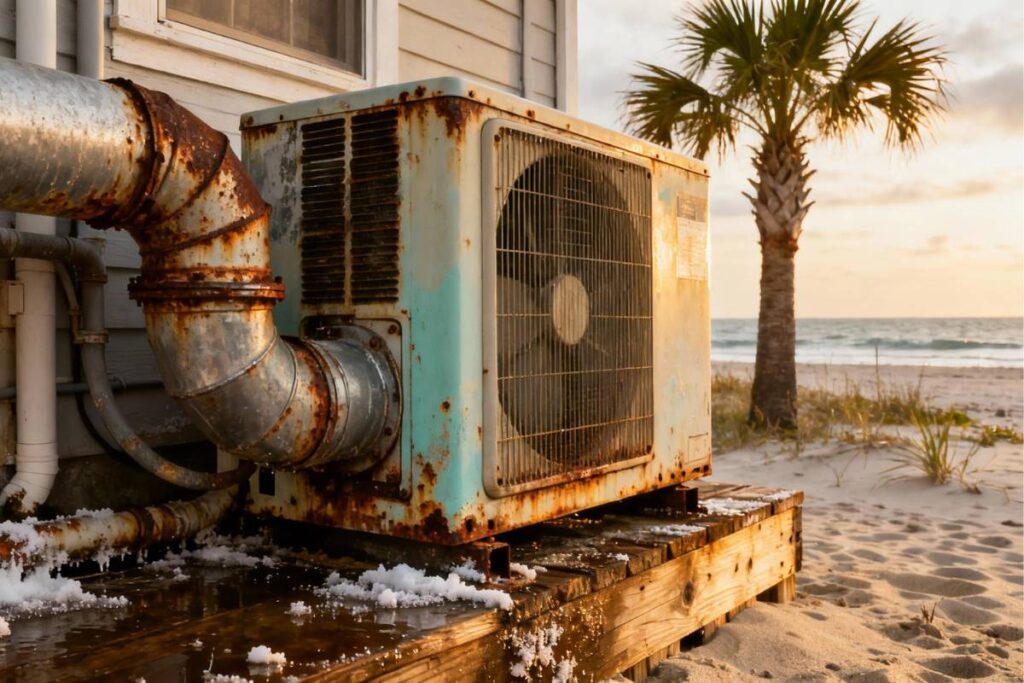
Living near the coast offers many benefits—beautiful ocean views, fresh air, and a relaxing lifestyle. However, this environment can quietly create serious challenges for home systems, especially your HVAC unit. Coastal conditions expose heating and cooling systems to elements that are far more aggressive than those found inland. Over time, this leads to faster wear and tear, higher maintenance costs, and reduced efficiency.
One major concern for homeowners in coastal regions is how quickly HVAC systems degrade due to environmental exposure. Many residents often find themselves needing services like HVAC Replacement Corpus Christi TX much sooner than expected. This is not just a coincidence; it is a direct result of the harsh coastal climate. Understanding why this happens can help homeowners take better care of their systems and avoid costly breakdowns.
Salt Air and Corrosion Damage
The biggest factor affecting HVAC systems near the coast is salt in the air. Salt particles travel easily through moist ocean breezes and settle on outdoor units. Once salt accumulates on metal components, it begins to cause corrosion. This corrosion slowly eats away at coils, fins, and other critical parts of the system.
Over time, this damage reduces the system’s ability to transfer heat efficiently. The unit has to work harder to maintain the desired temperature, which increases energy consumption. In severe cases, corrosion can lead to complete system failure. Even high-quality HVAC systems are not immune to this issue, especially if they are not properly maintained.
High Humidity Levels
Coastal areas are known for their high humidity levels, which add another layer of stress to HVAC systems. Excess moisture in the air forces air conditioning units to work harder to remove humidity while also cooling the space. This dual workload increases strain on the compressor and other internal components.
Humidity also creates a perfect environment for mold and mildew growth inside the system. This not only affects the performance of the HVAC unit but can also impact indoor air quality. When moisture builds up in ducts and filters, it can lead to unpleasant odors and potential health concerns for residents.
Sand and Debris Accumulation
Another often overlooked issue in coastal regions is the presence of sand and airborne debris. Strong coastal winds can carry fine particles that settle inside and around HVAC units. These particles can clog filters, block airflow, and damage moving parts within the system.
When airflow is restricted, the system has to work harder to circulate air throughout the home. This increases energy usage and puts additional pressure on the motor and fans. Regular cleaning and filter replacement become even more important in these environments to keep the system running smoothly.
Increased Maintenance Requirements
Because of these environmental factors, HVAC systems near the coast require more frequent maintenance than those located inland. Routine inspections, cleaning, and part replacements are essential to extend the lifespan of the unit. Skipping maintenance can quickly lead to bigger problems that are more expensive to fix.
Homeowners often underestimate how quickly small issues can escalate in coastal conditions. A minor buildup of salt or debris can turn into significant damage if left untreated. Consistent upkeep is not just recommended—it is necessary for maintaining efficiency and reliability.
Shorter System Lifespan
All these factors combined—salt corrosion, humidity, and debris—significantly shorten the lifespan of HVAC systems in coastal areas. While a typical HVAC system might last 15 to 20 years inland, coastal units often need replacement much sooner.
This shorter lifespan means homeowners must plan for replacements earlier and budget accordingly. Investing in protective measures and regular servicing can help extend the life of the system, but it may not completely eliminate the need for earlier replacement.
Tips to Protect Your HVAC System
There are several practical steps homeowners can take to reduce the impact of coastal conditions on their HVAC systems:
- Regular Cleaning: Rinse outdoor units with fresh water to remove salt buildup.
- Protective Coatings: Apply anti-corrosion coatings to metal components.
- Frequent Inspections: Schedule professional maintenance at least twice a year.
- High-Quality Filters: Use durable filters and replace them regularly.
- Proper Placement: Install units in sheltered areas to reduce direct exposure to wind and salt.
Taking these precautions can make a noticeable difference in how well the system performs over time.
Conclusion
Living near the coast comes with unique environmental challenges that directly impact HVAC systems. Salt air, high humidity, and airborne debris all contribute to faster wear and reduced efficiency. While these factors cannot be avoided, understanding them allows homeowners to take proactive steps to protect their investment. With proper care and regular maintenance, it is possible to extend the lifespan of your HVAC system and keep it running efficiently despite the harsh coastal conditions.