

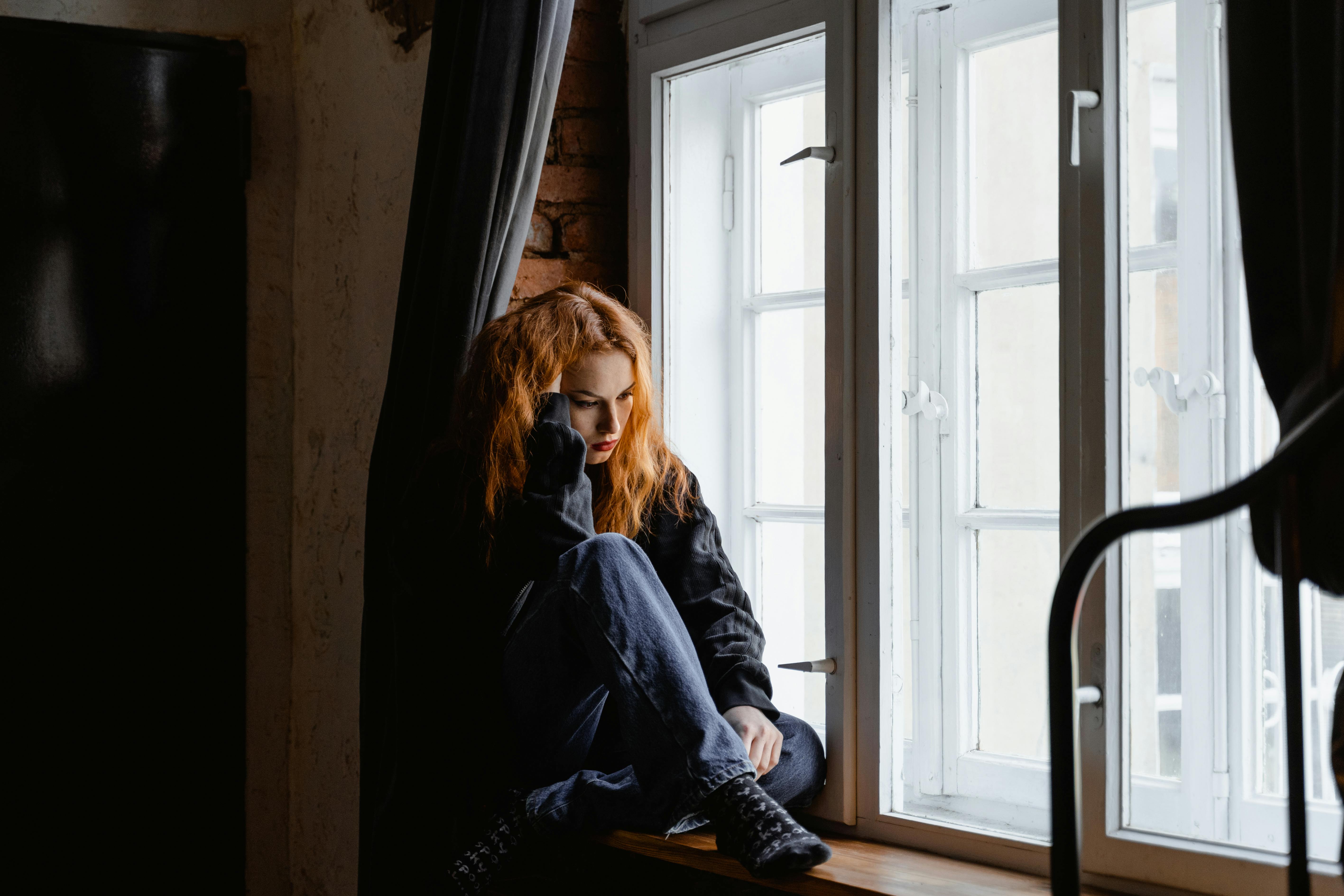
Anxiety is something that most of us face at some point in life. Whether it shows up as racing thoughts before a big meeting or a persistent unease that lingers day-to-day, the experience can be overwhelming and very hard to explain sometimes. While it’s perfectly normal to feel anxious occasionally, chronic anxiety can start to interfere with sleep, work, relationships, and overall well-being. Fortunately, there are many lifestyle adjustments, natural remedies, and mindset shifts that can help to ease the symptoms of anxiety.
Professional support is always a wise choice for anyone experiencing ongoing anxiety but small changes in the daily routine can make a meaningful difference. For example, adding CBD capsules to your daily routine can be a discrete and convenient way to incorporate cannabidiol into your self-care routine. Of course, it’s not a cure all. To truly support your mental health, it’s important to build a holistic plan that supports your body and mind. We’ve got some tips to help you to take control of your anxiety and feel more grounded in your daily life.
- Be consistent with your routine. How you start the day sets the tone for everything that follows. A scattered and rushed morning can fuel anxiety before your feet even hit the floor. On the other hand, a steady morning ritual creates a sense of control and calm that you can feel ahead of. Try waking up half an hour earlier to give yourself some breathing room or do something grounding like a short walk or breathing exercise that stabilizes your nervous system. This can help you to approach your day with clarity.
- Explore natural supplements. We already mentioned CBD capsules, but natural remedies can be a gentle but effective way to reduce stress and tension. Many people turn to this for their calming effects, as they’re easy to incorporate into a daily routine and don’t have the psychoactive effect of THC. CBD is thought to support the body’s endocannabinoid system, which plays a role in regulating mood, stress responses and sleep. More research is being done right now, but anecdotal reports and early studies suggest it could help to reduce symptoms of anxiety in some individuals.
- Get that body moving. You don’t have to turn into a gym rat to keep the mental health benefits of movement. Even half an hour of light exercise like walking or yoga can reduce your stress hormones and increase your mood, boosting endorphins. This can then shift your mental state into a more peaceful one. If you’re feeling anxious, a brisk walk outside is a great way to start, and the combination of fresh air, rhythmic movement and a change of scenery can reset your nervous system.
- Reduce caffeine and sugar. Caffeine and sugar may give you a temporary boost, but they can also heighten your anxiety, cause energy crashes, and interfere with your sleep. Swapping your second or third cup of coffee for a calming herbal tea or water with lemon is a good start. You could be surprised how much more stable your energy and mood feel without the spikes and crashes you’re dealing with.
- Practice mindful breathing. Your breath is always with you and it can be an almost powerful tool in calming your anxiety. When you’re anxious, your body shifts into a fight or flight mode, which often leads to shallow or rapid breathing. Slowing and deepening your breath signals to your brain that you’re safe, helping to bring you back to a more grounded state.
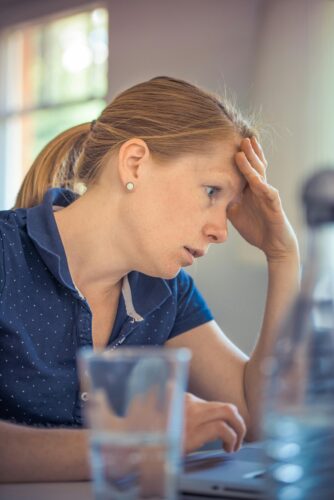
6. Create a calm space at home. Designate a spot in your home for relaxation. It doesn’t have to be a full room, but a cosy corner with a chair, something soft, and a calming candle can help. Surround yourself with a few of your favorite books too and make it a screen free zone where you can decompress. Having a physical space for calm creates a psychological cue. When you enter that space, your body knows it’s time to relax. You get bonus points if. Combine it with calming rituals like reading, listening to music, or taking CBD capsules.
7. Set some boundaries with technology. While social media is a good way to connect, it can also be a major source of anxiety for people. This is especially the case if you’re constantly comparing your life to a filtered highlight reel. Too much screen time can also affect your sleep, concentration and your mood. Set boundaries around your phone and your computer. Use and try turning off your notifications, deleting your apps that you don’t need, and carving out screen free time every day.
8. Get some quality sleep. Poor sleep and anxiety often go hand in hand. You can’t manage anxiety effectively if you’re running on empty, right? Start by setting a consistent bedtime, reducing blue light exposure before sleep, and creating a calming evening routine. Many people find that natural sleep aids like magnesium or melatonin help them to fall asleep more easily and stay asleep longer. A well rested brain is better equipped to process stress and handle challenges without spiralling to anxiety.
9. Talk to someone. Sometimes the act of speaking of worries allows us enough to take away their power. Whether it’s a friend, support group, or therapist, don’t hesitate to reach out to someone who could help you. You don’t have to carry the anxiety on your own. Therapy has been shown to be highly effective in treating anxiety disorders. Even one conversation can give you the tools and insights that you need to make a lasting difference.
10. Don’t fight it. It sounds counterintuitive, but fighting anxiety can often make it worse. Trying to fix or resist it can reinforce the idea that something is wrong, which then creates a cycle of panic. The goal isn’t to eliminate anxiety, and entirely because it’s unrealistic, but you could learn how to navigate it with more confidence and ease.
Give yourself some time and space to reflect and adapt. What works for one person may not work for another, but the more you learn to listen to your mind and body, the better equipped you’ll be.