

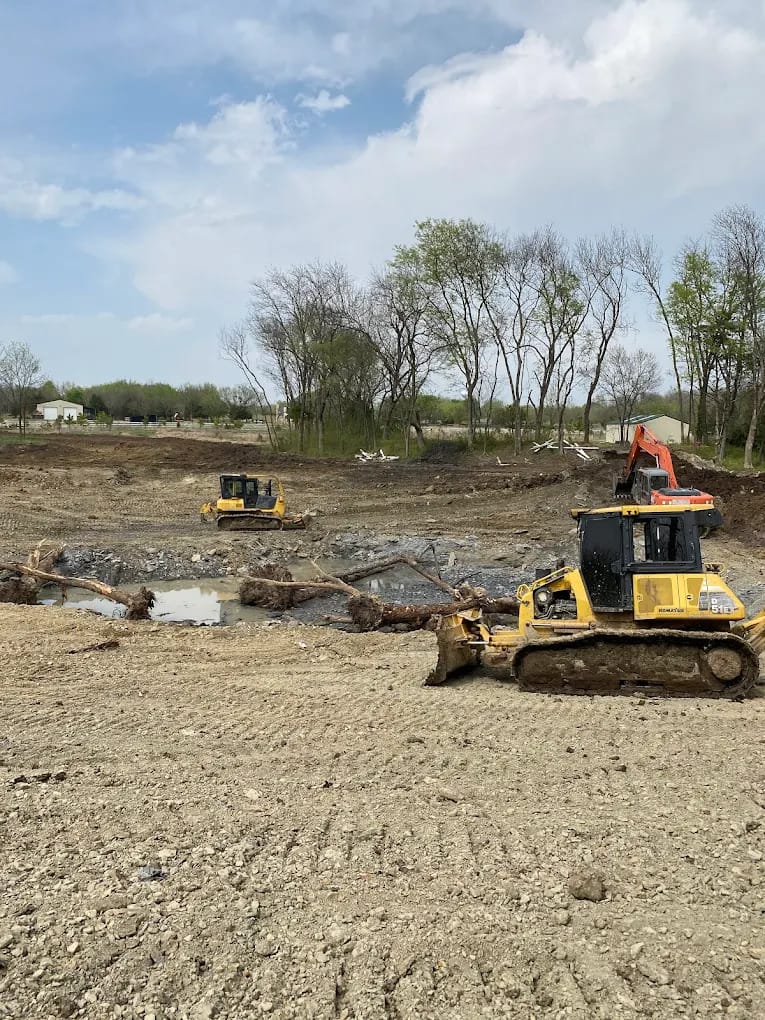
Every great structure, from the humblest garden shed to the most sprawling commercial complex, shares one common ancestor: the dirt beneath it. We often get caught up in the glamorous parts of construction—the architectural blueprints, the shiny new appliances, or the color of the shingles. But the reality is that the safety, longevity, and stability of any project are determined long before the first nail is driven. They are determined when the first bucket of earth is moved.
Excavation is often viewed as a brute-force industry—big machines moving big piles of dirt. While it certainly involves horsepower, it is arguably the most delicate and scientifically demanding phase of construction. It is the intersection of geology, physics, and engineering. Whether you are a homeowner looking to build a shop pad, a developer planning a subdivision, or a business owner expanding a parking lot, understanding the nuances of general excavation can save you from costly disasters down the road. Here are seven critical insights into the world of earthmoving that every property owner should know.
1. The Foundation Before the Foundation: Why Site Prep is King
Imagine building a house on a sponge. No matter how strong the concrete slab is, if the material underneath it shifts, shrinks, or swells, the house is going to suffer. This is why site preparation is the single most important investment in a construction project. It involves stripping away the organic topsoil—which decomposes and causes settling—and reaching the stable subgrade beneath.
Professional excavation teams don’t just “scrape” the ground; they analyze it. They look for soft spots, underground springs, or expansive clay veins that could wreak havoc on a foundation. By properly stripping and proof-rolling the site, excavators ensure that the ground is structurally sound. It is about creating a predictable, stable canvas so that when the concrete trucks arrive, they are pouring onto solid ground, not a ticking time bomb of shifting soil.
2. Grading and Drainage: Directing the Flow
Water is the ultimate enemy of any building. If you have ever walked into a backyard after a heavy Oklahoma thunderstorm and found a swamp where your lawn used to be, you understand the importance of grading. Grading is the art of sculpting the land to manipulate water flow. It isn’t just about making the ground flat; often, it’s about making it intentionally uneven in very specific ways.
A properly graded site will shed water away from foundations, driveways, and roads, directing it toward swales, ponds, or municipal drainage systems. This prevents erosion, basement flooding, and the “heaving” of concrete caused by freeze-thaw cycles. Excavators use laser levels and GPS technology to shave the earth within fractions of an inch, ensuring that gravity does exactly what it’s supposed to do: keep your investment dry.
3. The Science of Soil Compaction
You can pile up a mountain of dirt, but if it isn’t compacted, it’s just a loose pile waiting to settle. Compaction is the mechanical process of increasing the density of soil by removing air pockets. This is essential for building pads, driveways, and roads. If you build on uncompacted soil, the weight of the structure will eventually force those air pockets closed, leading to sinking and cracking.
Achieving the right density requires more than just driving a bulldozer over the pile a few times. It involves using sheep-foot rollers, vibratory compactors, and adding moisture to the soil to help the particles slide together and lock into place. It is a precise science that ensures the dirt becomes as hard and reliable as rock.
4. Selecting the Right Material for the Job
Not all dirt is created equal. If you dig a hole in one part of your property, you can’t necessarily use that same dirt to build a house pad twenty feet away. Soil composition changes rapidly, and using the wrong material can be disastrous. For structural fills, you need “select fill”—dirt with a specific clay-to-sand ratio that compacts well and doesn’t swell excessively when wet.
Sometimes, the native soil on a site just isn’t up to par. In these cases, you have to import material. This is where knowing your local resources becomes vital. For many projects in the region, sourcing high-quality Fill Dirt in Tulsa, OK is the first step toward stabilizing a site. Bringing in the right material ensures that you aren’t fighting nature, but rather working with a medium that is engineered to support the weight of your project.
5. Land Clearing and Demolition: A Clean Slate
Before you can build the new, you often have to remove the old. Land clearing is a rugged, high-intensity phase of excavation that involves removing trees, stumps, brush, and sometimes existing structures. However, it’s not as simple as knocking things down. It requires a strategic approach to preserve the trees you want to keep while completely removing the root systems of the ones you don’t.
Leaving organic debris like roots or stumps buried under a building site is a recipe for failure. As that wood rots underground, it creates voids that eventually collapse, leading to sinkholes. Professional excavators use heavy equipment to pluck trees and stumps entirely, ensuring that nothing organic is left to decompose beneath your future foundation.
6. Utility Trenching: Digging Smart and Safe
Beneath our feet lies a complex web of infrastructure—water mains, gas lines, fiber optic cables, and sewer pipes. Excavation services include the delicate task of trenching to install new utilities or repair old ones. This is the most dangerous part of the job, requiring a high level of skill and safety awareness.
Digging a trench isn’t just about depth; it’s about stability. Trenches must be dug to specific codes to prevent collapse and ensure the safety of workers and the integrity of the pipes being laid. Whether it’s installing a septic lateral line or running power to a new barn, precise trenching ensures that your utilities function correctly and remain protected from the elements.
7. Finding the Source: Logistics Matter
The final piece of the excavation puzzle is logistics. Moving earth requires big trucks and a place to get the material. Whether you are hauling off debris from a demolition or trucking in loads of clay for a pond dam, the efficiency of the hauling operation can make or break a project’s budget and timeline.
Having a reliable source for materials is crucial for keeping a project on schedule. Contractors and homeowners alike rely on centralized locations where they can dump spoil material or pick up the dirt they need. Utilizing a dedicated Tulsa Dirt Site streamlines the logistical nightmare of earthmoving, providing a hub for the heavy lifting that keeps the construction industry moving forward.
Conclusion
Excavation is more than just moving dirt; it is the process of shaping the world to fit our needs. It requires a blend of raw power and intricate precision. By understanding these seven aspects of the trade—from the importance of compaction to the logistics of material sourcing—you are better equipped to plan your next project. Whether you are breaking ground on a custom home or simply leveling a backyard, remember that the quality of your future depends entirely on the quality of the work done in the dirt.