

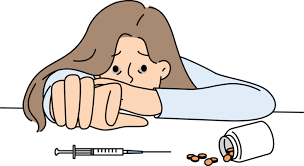
Struggling with substance abuse can feel overwhelming, but finding the right support can make all the difference. Substance abuse counseling provides a pathway to recovery and long-term well-being. This blog will guide you through seven essential steps to find the right substance abuse counseling services, offering practical advice and valuable insights along the way.
1. Recognizing the Need for Help: Signs and Symptoms
Acknowledging the need for help is a pivotal first step in overcoming substance abuse. Understanding the signs and symptoms can facilitate this recognition and set the foundation for seeking the appropriate support. Substance abuse can manifest in several distinct behaviors and physical signs that should not be overlooked.
One of the primary indicators is an increased tolerance to the substance, requiring larger quantities to achieve the same effect as before. This tolerance develops over time and can lead to more frequent and risky use. Withdrawal symptoms present themselves when the substance is not used, often manifesting as physical discomfort, mood swings, irritability, or anxiety. These symptoms can be a clear signal that the body has become dependent on the substance.
Additionally, individuals may begin to neglect their responsibilities at work, school, or home, prioritizing substance use over important commitments. This can lead to deteriorating relationships and a decline in performance in various aspects of life. Financial difficulties are also common as individuals may find themselves spending excessive amounts of money to obtain the substance, sometimes resorting to borrowing or illegal activities to sustain their use.
Social withdrawal is another critical sign, where individuals may isolate themselves from family and friends, often leading to feelings of loneliness and depression. Recognizing these symptoms is essential not only for the person experiencing them but also for those around them. Awareness and understanding are key to taking the first step towards recovery and finding the right counseling support to begin the healing process.
2. Researching Available Services and Support Groups
Once the need for help is recognized, it’s time to explore the available options. This phase involves gathering detailed information about the support systems within reach, which can significantly impact the recovery journey. Begin by researching local substance abuse services and support groups, as they are often essential tools in overcoming addiction. Start by checking community centers or hospitals that typically offer information on various support services tailored to different needs.
Many organizations provide online directories that list licensed counselors and support groups in your area. These directories are excellent starting points as they enable easy access to contact information and service descriptions, making it simpler to find a match that aligns with your specific circumstances and preferences. It’s also wise to reach out to mental health advocates or local healthcare providers for personalized recommendations based on their experience and knowledge in the field.
Furthermore, utilize websites like SAMHSA (Substance Abuse and Mental Health Services Administration), which are dedicated to offering comprehensive resources—including guidelines for selecting appropriate treatment programs and finding support networks. They provide databases that are searchable by region, helping to pinpoint nearby services and support groups, making the process less daunting. Engaging with these resources will pave the way towards a supportive environment essential for a sustainable recovery, ensuring that individuals are not alone in their journey.
3. Understanding Different Counseling Approaches
Substance abuse counseling isn’t one-size-fits-all, and understanding the variety of available approaches can guide individuals towards choosing a method that resonates with their personal needs and preferences. Here are some of the common counseling methods in greater detail:
Cognitive Behavioral Therapy (CBT): This approach centers on identifying and altering negative thought patterns and behaviors that contribute to substance abuse. CBT is highly structured, often involving goal setting and regular progress reviews. It helps individuals develop coping strategies and problem-solving skills to deal with challenging situations, ultimately leading to improved emotional regulation and behavior modification.
Motivational Interviewing (MI): MI is a collaborative approach designed to enhance an individual’s motivation and commitment to change. It involves open-ended questions, reflective listening, and affirmations, encouraging individuals to articulate their reasons for change and build intrinsic motivation. The approach is patient-centered, non-confrontational, and emphasizes building rapport and empathetic communication between the counselor and the individual.
12-Step Programs: These programs follow a structured, step-by-step process, typically involving peer support and mentorship. Rooted in the principles of mutual aid and the acknowledgment of a higher power, these programs create a supportive community where individuals share experiences and guidance to overcome addiction. The consistent peer connection fosters accountability and encourages personal growth and recovery.
Holistic Approaches: Recognizing the interconnectedness of physical, emotional, and spiritual well-being, holistic approaches integrate various treatment modalities to address addiction. Techniques such as mindfulness, meditation, yoga, nutrition, and art therapy are often included, aiming for a balance that supports overall well-being and self-care. These methods emphasize healing the whole person rather than just the symptoms of addiction.
Understanding these diverse approaches enables individuals to make informed decisions about pursuing a counseling method that aligns with their unique circumstances, enhancing the prospects for successful recovery.
4. Finding the Right Fit: Considerations for Personal Needs
When selecting a counselor or program, it’s essential to consider your unique circumstances and preferences to ensure the best possible support for your recovery journey. Here are some key factors to consider:
- Specialization: It’s crucial to verify whether the counselor possesses experience specifically related to your substance abuse issues. Different counselors may focus on varied aspects of addiction, such as alcohol dependency, drug abuse, or behavioral addictions, and finding one with expertise in your area can enhance treatment effectiveness.
- Credentials: Choose a counselor who is licensed and certified in substance abuse counseling. Credentials ensure that the counselor has met specific educational and professional standards, providing assurance of their competence and understanding of addiction treatment methodologies.
- Compatibility: Establishing a good rapport with your counselor is vital for effective therapy. Comfort and trust are essential components of the therapeutic relationship, affecting your openness and willingness to engage in sessions. Take the time to assess whether your communication styles align and if you feel understood and respected.
- Location: Consider the convenience of the counselor’s office, particularly if in-person sessions are required. Proximity can influence your consistency in attending sessions. Additionally, explore the availability of online sessions, which can offer more flexibility and accessibility, especially if mobility or scheduling is a concern.
It’s advisable to take the time to interview potential counselors and discuss your goals, expectations, and concerns. This conversation will help clarify whether the counselor’s approach aligns with your needs and ensure that they are the right fit for you, fostering a supportive environment for successful recovery.
5. Making the First Contact: What to Expect
Reaching out to a counselor or service for the first time can be intimidating, but having a clear understanding of what to expect can make the process smoother. Typically, the initial contact involves several key components:
Assessment
During your first interaction, you can expect an initial assessment. This will usually involve discussing your current situation, including your substance use history and the specific goals you hope to achieve through counseling. The counselor may ask questions about your past experiences with addiction, any previous treatment you’ve undergone, and any mental health concerns. This assessment is crucial as it helps the counselor gather information to customize a treatment plan that best suits your needs.
Overview of Services
The counselor will provide a thorough overview of the services they offer. This includes explaining their therapeutic approach, what the sessions will typically involve, and what you can anticipate throughout the treatment process. Understanding the counselor’s methodology is vital in determining if their style aligns with your personal preferences and needs. This overview also offers insight into the duration, frequency, and types of interventions you might encounter during your sessions.
Scheduling
Once the initial assessments and discussions are complete, you will proceed to schedule your first appointment. This scheduling session is a pivotal moment where logistics such as session timings, frequency, and mode (in-person or online) are finalized. The counselor will work with you to set up a time that accommodates your schedule and any other personal constraints.
An Opportunity for Questions
Remember, this initial contact is not just for the counselor to know you, but also an opportunity for you to address any questions or concerns. You should feel encouraged to inquire about the counselor’s experience, success stories, or specifics about the therapy process. Ensuring you feel comfortable and aligned with the counselor is crucial for establishing a strong therapeutic alliance and laying the foundation for successful recovery.
6. Attending Sessions and Engaging in the Process
Once you’ve started counseling, active participation is crucial to gaining the full benefits of the therapeutic process. Here are some detailed tips to make the most of your sessions:
- Be Honest: It’s essential to be open and transparent with your counselor. Share your experiences, thoughts, and feelings honestly, even if they are uncomfortable or difficult to discuss. This level of honesty allows your counselor to understand your perspective fully and tailor the therapy to address your specific needs effectively.
- Stay Committed: Regular attendance is fundamental to making consistent progress. Treat your sessions as a priority, and strive to attend each one. Consistent engagement helps build a strong therapeutic relationship and maintains the momentum needed for transformative healing.
- Homework Assignments: Completing tasks or exercises assigned by your counselor outside of sessions can significantly enhance your therapy experience. These assignments are designed to reinforce what you learn during sessions and help you apply new techniques and insights to your daily life. Approach them with earnestness and an open mind to maximize their potential impact.
- Seek Support: Counseling can be challenging, and seeking support from groups or loved ones can provide additional encouragement. Whether joining a support group or leaning on friends and family, having a network of understanding individuals can offer the comfort and motivation needed to persevere through difficult times.
Engaging fully in the counseling process by implementing these tips will enhance the benefits and facilitate a more rewarding journey towards healing and personal growth.
7. Progress and Long-Term Support: Sustaining Recovery
Recovery is an ongoing process that extends beyond regular counseling sessions, requiring persistent effort and dedication. To sustain your progress, it is crucial to integrate proactive strategies into your daily life:
Set Goals: Establish both short-term and long-term recovery goals with your counselor’s guidance. Short-term goals provide immediate motivation and a clear focus for initial efforts, while long-term goals help maintain your direction and commitment over time. These goals should be specific, realistic, and measurable to facilitate tracking progress and achievements.
Monitor Progress: Regularly review your progress with your counselor to identify successes and areas needing adjustment. This consistent evaluation helps you stay aware of your growth, enables timely modifications to your recovery plan, and fosters a sense of accountability. Celebrate milestones to boost your morale and reinforce positive reinforcement.
Access Support: Continue attending support groups and reaching out for help when confronting challenges. Support groups offer a communal environment where members share experiences, advice, and encouragement. Surround yourself with understanding individuals who can provide emotional support and guidance, reinforcing the importance of community in your recovery journey.
Healthy Habits: Adopting healthy lifestyle choices is pivotal for maintaining recovery and enhancing overall well-being. Engage in regular exercise to boost your mood and reduce stress, and prioritize balanced nutrition to support physical and mental health. Additionally, ensure adequate rest and quality sleep to keep your body and mind refreshed.
Continued support and self-care are essential for maintaining recovery and preventing relapse. By embedding these practices into your routine, you can build a resilient foundation that supports lasting change and fosters ongoing personal growth.
Conclusion
Finding the right substance abuse counseling is a crucial step toward a healthier and more fulfilling life. By recognizing the need for help, researching available services, understanding different counseling approaches, and actively engaging in the process, you can pave the way for sustainable recovery. Don’t hesitate to start your journey today—explore Substance Abuse Services that cater to your unique needs and take the first step toward lasting change. Always remember, help is available and you don’t have to face this alone.
If you’re ready to take that first step, reach out to a licensed substance abuse counselor or join a support group near you. Your path to recovery starts now.