

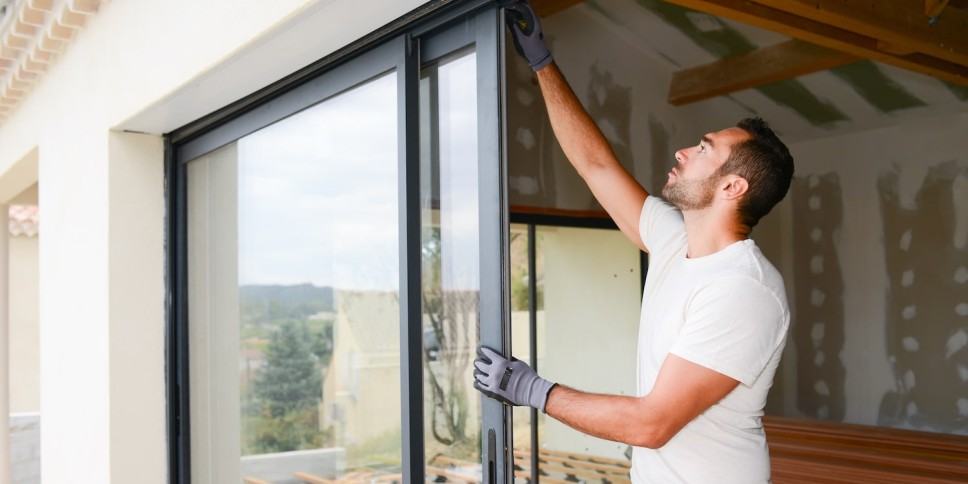
Windows are essential elements of any home or building. They provide natural light, allow fresh air in, and contribute to both energy efficiency and curb appeal. However, as durable as window glass can be, it’s not immune to damage, wear, or obsolescence. Whether it’s due to a cracked pane, condensation between glass layers, or outdated single-pane systems, Window Glass Replacement becomes necessary over time.
Understanding when and why to replace window glass, and how the process works, is essential for homeowners looking to improve their living environment. In this article, we’ll explore everything you need to know about replacing window glass—from the causes of damage to the benefits of replacement and how to choose the right type of glass for your needs.
Why Window Glass Needs Replacing
Not every damaged window requires a complete window unit replacement. In many cases, replacing just the glass is more efficient and cost-effective. Here are common reasons homeowners opt for glass replacement:
1. Cracks and Chips
Minor damage like chips or hairline cracks can expand over time due to temperature fluctuations or mechanical stress. Cracks not only reduce visibility but also compromise insulation and security.
2. Fogging and Condensation
In double- or triple-pane windows, fogging occurs when the seal fails, allowing moisture between the panes. This not only clouds your view but indicates a loss in energy efficiency.
3. Poor Insulation
Older single-pane glass doesn’t offer adequate insulation. If your home struggles to retain heat in winter or stay cool in summer, upgrading the glass can significantly improve performance.
4. Broken Glass
Broken windows are a safety risk and a security threat. Prompt Window Glass Replacement ensures your home remains secure and protected from the elements.
5. Noise Pollution
If you’re hearing too much street or neighbor noise, switching to laminated or double-glazed glass can significantly reduce sound penetration.
Benefits of Window Glass Replacement
Replacing damaged or outdated glass can yield several immediate and long-term benefits:
Enhanced Energy Efficiency
Modern window glass is engineered for insulation. Low-E coatings, gas-filled panes, and advanced sealants help reduce heat transfer, cutting down on heating and cooling costs.
Improved Aesthetics
Cracked or fogged windows can ruin the look of a room. Fresh, clear glass instantly revitalizes the appearance of your home inside and out.
Increased Safety and Security
New glass options include impact-resistant and laminated safety glass. These resist shattering and enhance home security.
Noise Reduction
Upgrading to double- or triple-pane windows with sound-reducing features makes indoor environments more peaceful and comfortable.
UV Protection
Many modern window glasses come with coatings that block harmful UV rays, protecting furniture, flooring, and artwork from fading over time.
Types of Glass for Replacement
When considering Window Glass Replacement, it’s important to understand the available glass options and what suits your needs best:
1. Single-Pane Glass
Typically found in older homes, this glass is cheap but offers minimal insulation or soundproofing. It’s rarely used in modern replacements due to inefficiency.
2. Double-Pane Glass
Two layers of glass with a sealed air or gas-filled space in between. It significantly improves insulation and is now a standard for most modern homes.
3. Triple-Pane Glass
Three layers of glass with two insulating spaces. It provides superior insulation and noise reduction but comes at a higher cost.
4. Low-E Glass
Low-emissivity (Low-E) coatings reflect infrared and UV rays while letting in natural light. This glass improves energy efficiency year-round.
5. Laminated and Tempered Glass
Tempered glass is heat-treated for strength and safety, while laminated glass consists of a layer of plastic between two panes, ideal for noise reduction and security.
The Window Glass Replacement Process
If you’re hiring professionals or considering a DIY approach, it’s helpful to understand what the process entails:
Step 1: Inspection and Measurement
Technicians first assess the window to determine if the frame is intact. Accurate measurements are taken to ensure a perfect fit for the new glass.
Step 2: Glass Removal
The old or damaged pane is carefully removed. In some cases, only the glass is replaced, while in others, the insulated glass unit (IGU) is swapped.
Step 3: Frame Preparation
The frame is cleaned, and old sealants or debris are removed to prepare for the new installation.
Step 4: Installation of New Glass
The replacement glass or IGU is fitted into the frame. Specialized adhesives or glazing putty is applied to seal it in place.
Step 5: Final Checks
Once installed, the glass is tested for alignment, seal integrity, and function (especially if the window opens). Proper curing time is allowed before regular use.
DIY vs. Professional Replacement
DIY Glass Replacement
- Suitable for single-pane windows with minimal damage.
- Requires tools like putty knife, glazing compound, glass cutter, and safety gear.
- Involves risk if done improperly—can lead to leaks, poor insulation, or breakage.
Professional Services
- Ideal for double-pane, tempered, or laminated glass.
- Technicians are trained to handle different types of glass safely.
- Guarantees on workmanship and materials.
- Saves time and ensures long-lasting results.
Costs Involved in Window Glass Replacement
Several factors influence the cost of Window Glass Replacement:
- Type of Glass: Laminated or Low-E glass costs more than standard options.
- Size of the Window: Larger windows require more materials and labor.
- Frame Condition: If the frame is damaged, repairs may add to the total cost.
- Accessibility: Upper-floor or hard-to-reach windows require additional setup.
On average, single-pane glass replacement may cost between $50–$150, while double-pane IGU replacements range from $200–$600 per window. Premium glass types and custom shapes can increase costs significantly.
Environmental Impact of Window Glass Replacement
Swapping old or damaged glass for new energy-efficient alternatives not only benefits your utility bills but also contributes to environmental sustainability. Reduced energy usage means fewer carbon emissions. Furthermore, many glass replacement services recycle old panes, minimizing landfill waste.
Choosing eco-friendly glass options like Low-E or solar control glass supports sustainable living by regulating indoor temperatures naturally.
Choosing the Right Window Glass Replacement Provider
When selecting a contractor or company, look for:
- Experience with your window type
- Certifications and licensing
- Positive customer reviews
- Warranty on materials and labor
- Transparency in pricing and process
Make sure to ask whether they provide insulated glass units (IGUs) or specialize in energy-efficient and soundproofing solutions. The right provider can recommend glass that matches your home’s architecture and climate needs.
Maintenance Tips After Replacement
Once you’ve had new glass installed, keep it in top condition with these maintenance practices:
- Clean regularly using non-abrasive cleaners and microfiber cloths.
- Avoid harsh chemicals that can damage coatings or seals.
- Inspect seals annually to ensure no condensation or air leaks.
- Check hardware and frames for wear or corrosion.
Good maintenance extends the life of your investment and keeps your windows looking and performing like new.
Conclusion
Windows play a critical role in the comfort, security, and efficiency of any home. While repairs can solve minor issues, there comes a time when Window Glass Replacement is the smarter, longer-term solution. Whether you’re dealing with a cracked pane, fogged double-glazing, or simply seeking better insulation, replacing the glass—not necessarily the whole window—can dramatically improve performance and appearance.
Investing in professional window glass Replacement not only enhances your property’s value but also promotes energy efficiency, safety, and aesthetic appeal. With the wide range of modern glass technologies available today, homeowners can tailor their window solutions to meet both practical needs and personal preferences.
Now is the time to evaluate your windows. If the signs are there—fogging, cracking, or poor insulation—don’t delay. Window Glass Replacement might just be the upgrade your home needs for a brighter, quieter, and more efficient future.