

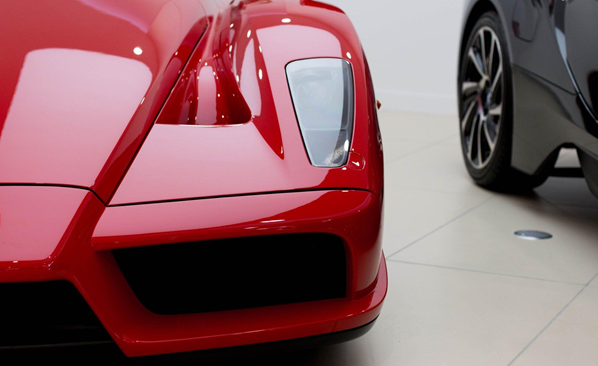
Have you ever wondered why some cars seem to glow under the sun while others look dull after a few months?
A flawless automotive finish is not just about color; it’s about precision, patience, and using the right materials. Whether you’re a seasoned painter or a first-time restorer, having the right automotive paint supplies can transform your work from good to professional-grade.
This article will guide you through the essentials that make every paint job shine with a lasting impression.
Choosing the Right Primer for Maximum Paint Adhesion
A flawless paint finish starts long before the color coat goes on. The following sections explore the main types of primers and how each one helps your paint stick better, last longer, and look more professional.
Epoxy Primer
Epoxy primer is known for its strong adhesion and corrosion resistance. It seals bare metal surfaces, keeping out moisture that can lead to rust. This type of primer also provides a smooth surface for paint, helping achieve a uniform and durable finish.
Urethane Primer
Urethane primer works best as a surfacer and sealer. It builds thickness, allowing easy sanding to remove small imperfections before painting. Its flexibility and durability make it ideal for vehicles exposed to changing weather and road conditions.
Self-Etching Primer
Self-etching primer chemically bonds to metal using acid and zinc. This reaction creates a thin layer that improves adhesion for the topcoat. It is often used on bare steel or aluminum panels where extra grip is needed before applying paint.
High-Build Primer
High-build primer helps level rough surfaces and fill minor scratches or sanding marks. It is thicker than other primers, making it perfect for restoring older or damaged panels. After sanding, it leaves a smooth, even base that enhances the final paint gloss.
Polyester Primer
Polyester primer acts like a sprayable body filler. It is used when deeper imperfections or minor dents need leveling before painting. This primer sands easily and creates a solid, smooth foundation that can handle several layers of paint without shrinkage.
How Basecoat Quality Impacts Color Accuracy
The precision of an automotive finish depends on how well each layer works together. The basecoat plays a key role, influencing both the tone and depth of the final color in subtle but powerful ways.
Pigment Consistency
The quality of pigments in the basecoat decides how true the final color will appear once applied. High-grade pigments distribute evenly, preventing blotches or dull patches that distort the shade. When pigments are consistent, the color remains stable across lighting conditions, giving the surface a smooth and uniform appearance.
Binder and Resin Composition
A well-balanced binder and resin system helps the pigments bond properly to the surface. Poor formulations can cause uneven coverage or color shifts after clearcoat application. Premium resins enhance clarity and reflection, allowing the basecoat color to show its full depth and richness.
Application Smoothness
The way a basecoat flows and levels affects how the color develops under the clear layer. High-quality basecoats spread evenly, reducing the chance of streaks or thin spots that alter the hue. Smooth application ensures that metallic or pearl effects stay consistent across the entire panel.
Drying and Curing Properties
Controlled drying time allows pigments to settle evenly before sealing with a clearcoat. If a basecoat dries too fast or unevenly, it can cause color variation between panels. A stable curing process locks the color in place, preserving its accuracy and longevity over time.
Clearcoat Types That Deliver Lasting Gloss and UV Protection
A flawless automotive finish depends not only on the basecoat but on the clearcoat that seals and protects it. The following types of clearcoats are known for their ability to deliver lasting gloss and strong UV resistance.
Urethane Clearcoat
Urethane clearcoats are prized for their durability and deep shine. They form a hard, flexible surface that resists chipping, fading, and environmental wear. Because of their strong UV blockers, they keep paint color vibrant for years, even under harsh sunlight.
Acrylic Clearcoat
Acrylic clearcoats offer a smooth, glossy finish with quick drying times. They are easier to apply and polish than urethane, making them a popular choice for smaller projects or quick refinishes. While not as tough as urethane, they still provide solid UV protection and a bright reflective sheen.
Ceramic Clearcoat
Ceramic clearcoats use nanotechnology to create a dense protective layer that repels water, dirt, and contaminants. Their unique structure enhances gloss depth while providing extreme UV resistance. These coatings are often found in premium applications due to their long-lasting performance and low maintenance needs.
Waterborne Clearcoat
Waterborne clearcoats are designed with environmental safety in mind and use less solvent than traditional types. They still achieve excellent gloss levels and UV stability when applied correctly. As technology improves, waterborne options are matching the durability of solvent-based systems while reducing harmful emissions.
High-Solid Clearcoat
High-solid clearcoats contain fewer volatile organic compounds and more resins, giving a thicker film per coat. This makes them ideal for achieving a deep, mirror-like gloss with fewer applications. They also provide excellent UV resistance and durability, making them a favorite in professional shops aiming for long-term shine.
Surface Preparation Steps for a Flawless Automotive Finish
Before paint can shine, the surface beneath must be flawless. Each stage of preparation shapes the final look, with every step refining the body until it is ready for a mirror-like finish.
Cleaning and Degreasing
A clean surface is the first rule of a lasting paint job. Oils, dirt, and residues can cause adhesion problems and uneven texture. Using a quality degreaser ensures the paint bonds directly to the metal or primer, creating a smooth and durable foundation.
Sanding the Surface
Sanding levels imperfections and gives the surface a texture the primer can grip. Start with coarse grit to remove old paint or rust, then move to finer grits for a polished base. Even pressure and consistent motion prevent scratches that would show through later layers.
Repairing Imperfections
Dents, scratches, and chips must be fixed before any primer or paint touches the body. Body filler or putty is used to rebuild damaged areas and then sanded smooth. This step ensures the car’s surface is uniform, so the finish appears sleek and even.
Spray Gun Settings That Define Professional-Grade Results
The way a spray gun is set up decides how smooth and flawless a paint job will look. These parts of the setup work together to shape how paint lands, how it dries, and how close it gets to that mirror-like finish.
Air Pressure
Air pressure controls how the paint atomizes and spreads across the surface. Too low, and the paint comes out heavy and uneven. Too high, and it can dry before it lands, leaving a rough texture that dulls the finish.
Fluid Flow
Fluid flow manages how much paint exits the nozzle. A well-balanced flow ensures full coverage without runs or thick spots. Professionals fine-tune this so each coat looks even and builds depth with every pass.
Fan Pattern
The fan pattern affects the shape and reach of the spray. A wide fan covers large areas fast, while a narrow one works better for edges or detail spots. Adjusting it ensures the paint overlaps smoothly, preventing stripes and dry spots.
Spray Distance
Spray distance changes how paint lands on the surface. Holding the gun too close can cause runs, while being too far leads to dry, uneven coats. Keeping a steady distance allows each layer to level out for that perfect gloss.
The Role of Temperature and Humidity in Paint Application
Temperature and humidity shape how paint behaves from the spray gun to the final finish. Each factor influences how fast the paint dries, how smooth it settles, and how long the coating lasts.
Temperature Control
Temperature affects the chemical reactions that make paint cure and harden. When it is too cold, paint thickens and struggles to flow evenly, leading to rough textures or poor adhesion. When it is too hot, paint can dry too fast on the surface, trapping solvents and causing defects like bubbling or cracking.
Humidity Levels
Humidity affects how moisture interacts with paint during application and drying. High humidity can cause condensation on surfaces, leading to cloudiness or a milky haze known as blushing. Low humidity makes paint dry too quickly, which can cause poor leveling and uneven gloss.
Optimal Conditions for Application
Most automotive paints perform best within moderate temperature and humidity ranges. These conditions allow solvents to evaporate at a steady rate, helping paint settle smoothly and cure evenly. Controlling the environment ensures consistent color, gloss, and durability across the entire finish.
Professionals often rely on quality automotive paint supplies and refinishing products to achieve consistent results in controlled environments. Using well-formulated paints and coatings helps maintain smooth finishes even when temperature and humidity vary slightly.
Bring Your Ride to Life With Color That Lasts
A perfect automotive finish is more than a reflection of your car, it’s a reflection of your craftsmanship. The tools, materials, and techniques you choose shape how your work stands the test of time. With skill and the right supplies, every surface can tell a story of precision and pride.
True mastery in painting lies in consistency and care. Every layer you apply brings you closer to the art of professional perfection.
Was this article helpful to you? If so, make sure to check out our blog for more useful information and resources.