

A Blueprint for Serious Traders
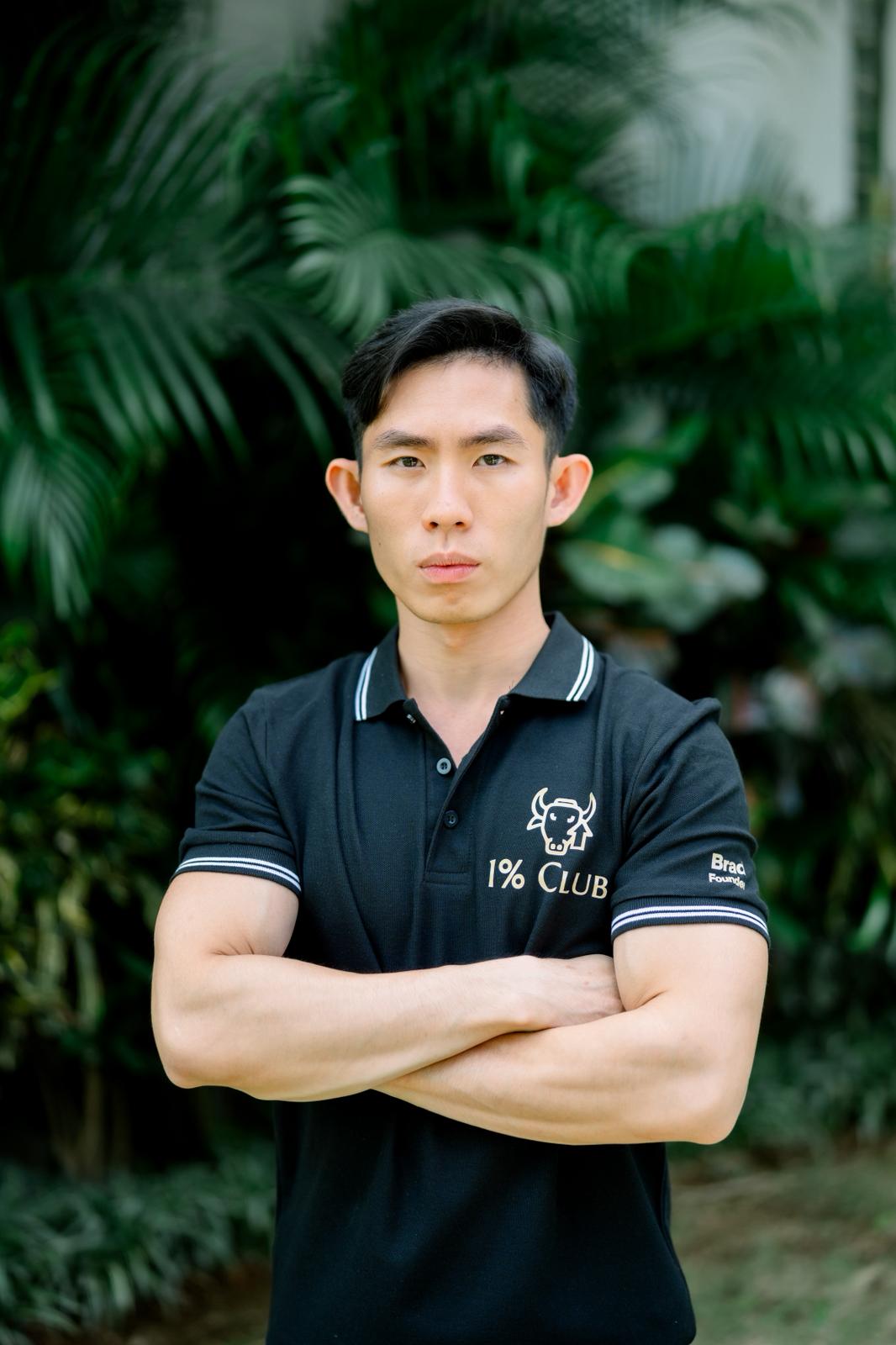
The modern trading landscape is filled with noise—signals, shortcuts, and self-proclaimed experts all competing for attention. Amid the chaos, Brad Goh, founder of the 1% Club and creator of The Trading Geek, is building something entirely different: a disciplined institution designed to train traders the way elite universities train professionals. His goal is ambitious yet clear—to turn trading from a guessing game into a structured education, and to make the 1% Club the Harvard of trading.
Where most trading programs promise fast money, Brad promises structure. “The loudest programs sell dreams,” he once said. “The best ones build discipline.” It is this conviction that has turned his mentorship platform into one of the most trusted learning ecosystems for traders who seek more than short-term gains.
An Ecosystem, Not a Course
What sets the 1% Club apart is that it doesn’t function like a typical online course. It operates more like a university department—complete with mentorship, verified results, and a culture of accountability. Traders who join the program are taught mechanical systems grounded in data and psychology. They journal every trade, measure performance, and receive structured feedback.
For Brad, trading is a discipline, not a hustle. Each student is expected to treat the markets with the seriousness of a craft—something that can be refined through repetition and reflection. “You don’t get the trader you want to be,” he writes. “You get the trader you deserve to become through consistency.”
The program’s credibility comes from its transparency. The community’s verified Trustpilot reviews and student success stories serve as a testament to a philosophy built on proof rather than persuasion. From traders who scaled from small accounts to funded portfolios, to beginners who learned to manage risk without emotion, each result reinforces the club’s foundation: discipline, data, and daily improvement.
Education Rooted in Accountability
Brad’s teaching method draws heavily from his own experience—a journey that began in hardship and evolved through discipline. Raised in a low-income household in Singapore, he learned early that progress comes from persistence rather than privilege. After losing multiple trading accounts in his early years, he rebuilt his process around evidence and execution.
That same mindset now defines the 1% Club. Students are trained to approach each trade as a lesson, not a lottery ticket. They analyze journals, track metrics, and are reminded that the goal is consistency, not excitement. “Successful trading becomes boring before it becomes profitable,” Brad often tells his community—a reminder that mastery comes through monotony.
His live-trading YouTube channel offers an unfiltered view of this philosophy in action. Viewers can watch him execute trades in real time, observe his decision-making process, and see the discipline behind the numbers. It’s a level of openness that few educators in the trading space are willing to risk, and it’s precisely what makes his approach so distinct.
Technology Meets Discipline
As his mentorship program continues to grow, Brad is expanding the 1% Club into a complete ecosystem that connects education, execution, and funding. His upcoming platform, EdgeFlo, will serve as the technological extension of his philosophy. The tool integrates journaling, risk management, and behavioral tracking—offering traders a data-driven way to monitor discipline itself.
In Brad’s vision, EdgeFlo is not another trading platform—it is a psychological mirror. By turning intangible habits into measurable metrics, it gives traders insight into their patterns, impulses, and emotional triggers. It is a continuation of his belief that education should not end with theory but evolve into a living system of accountability.
A Culture, Not a Classroom
The 1% Club’s growing community reflects something larger than trading. It represents a cultural shift toward precision, patience, and integrity. Brad’s students don’t aspire to become influencers; they aspire to become operators—people who execute with clarity and composure.
He often compares his mentorship to higher education not in prestige, but in process. Like a university, it demands discipline, attendance, and self-assessment. Like a research lab, it values data over opinion. And like any great institution, its true success is measured not by enrollment numbers, but by the caliber of its graduates.
The idea of a “Harvard of Trading” is not about elitism—it’s about excellence. It’s about creating a space where effort is rewarded, progress is tracked, and truth is non-negotiable.
Reimagining the Future of Trading Education
For Brad Goh, the 1% Club is more than a brand—it’s a manifesto for how trading education should evolve. His vision challenges the culture of speed and spectacle that dominates the industry, replacing it with something enduring: structure, skill, and self-mastery.
Through public proof, transparent results, and a relentless focus on discipline, Brad is doing what few have attempted—turning an unpredictable profession into a teachable craft. And as his ecosystem expands through mentorship and technology, he continues to prove that in the world of trading, real credibility doesn’t come from promises. It comes from process.
To those seeking a path built on truth, data, and discipline, Brad’s message is clear: the new era of trading education has already begun—and it looks a lot like the 1% Club.