

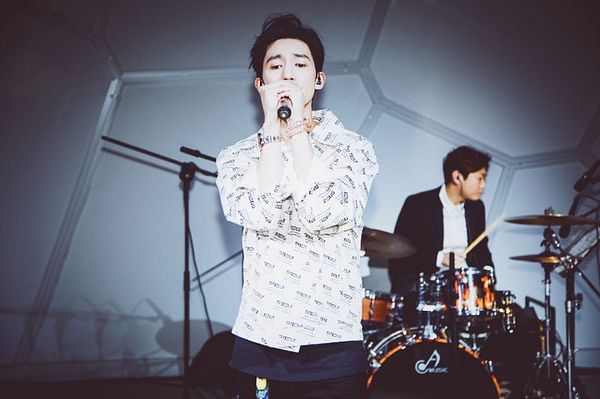
Music has always been a powerful bridge between cultures, languages, and generations. In today’s globalized world, artists are no longer confined by geography. The rise of digital platforms has enabled musicians from diverse backgrounds to reach audiences across continents, creating a vibrant international music landscape. Among the most influential contributors to this movement is the modern Asian singer, whose voice carries not only melody but also heritage, innovation, and global appeal.
Over the past two decades, Asian artists have transformed the music industry. From pop and R&B to indie and classical fusion, they have redefined expectations and challenged stereotypes. Their journeys often reflect a blend of tradition and modernity—an intersection where ancestral culture meets contemporary sound. This evolution has allowed many Asian performers to gain recognition far beyond their home countries, establishing themselves as global icons.
The Cultural Power of the Asian Singer
The identity of an Asian singer is often rooted in a deep respect for culture and storytelling. Across Asia, music plays an essential role in ceremonies, festivals, and family traditions. Whether drawing inspiration from ancient folk songs, classical instruments, or regional poetry, many artists carry these elements into their modern compositions.
At the same time, today’s musicians embrace global genres. They collaborate with international producers, incorporate electronic beats, experiment with multilingual lyrics, and adapt Western song structures. This ability to merge cultures has made them particularly appealing to younger audiences who crave authenticity and innovation.
Furthermore, representation matters. Seeing an Asian singer achieve international success inspires millions of aspiring musicians who once felt underrepresented in mainstream media. Their achievements break barriers and open doors for future generations.
Globalization and Digital Transformation
The digital era has dramatically changed how music is discovered and consumed. Streaming platforms, social media, and video-sharing apps have eliminated traditional gatekeeping barriers. An independent artist can now upload a song and potentially reach millions within days.
For Asian musicians, this transformation has been revolutionary. Artists from countries like South Korea, Japan, China, India, and the Philippines have leveraged these platforms to showcase their talent globally. Viral performances, online fan communities, and international tours have become common milestones.
This accessibility has also enabled cross-border collaborations. It is no longer unusual to see artists from Asia working with producers in Europe, songwriters in the United States, or instrumentalists in Australia. The result is a rich tapestry of sounds that reflects our interconnected world.
The Rise of the Australian Chinese Singer
One particularly compelling example of cultural fusion is the emergence of the 澳洲华人歌手. These artists embody dual identities, often growing up balancing Eastern heritage with Western upbringing. This multicultural perspective influences their music in fascinating ways.
An Australian Chinese singer may incorporate Mandarin or Cantonese lyrics alongside English verses. They might blend traditional Chinese instruments like the erhu with modern pop production. Their storytelling often reflects themes of migration, belonging, identity, and generational experience.
Living in Australia provides exposure to diverse musical scenes—indie rock in Melbourne, electronic dance in Sydney, or multicultural festivals across major cities. Combined with Chinese cultural roots, this environment fosters unique artistic expression.
Moreover, these singers often serve as cultural ambassadors. They introduce Asian musical traditions to Western audiences while bringing contemporary Western styles to Asian listeners. Their work strengthens cross-cultural understanding and broadens the definition of mainstream music.
Identity, Representation, and Authenticity
For many artists of Asian descent, identity plays a central role in their artistry. They may explore questions such as:
- What does it mean to belong to two cultures?
- How do family expectations influence creative freedom?
- How can traditional values coexist with modern expression?
By addressing these themes openly, musicians create deeply personal and relatable content. Fans connect not just with the melody but with the story behind it. Authentic storytelling fosters loyalty and long-term support.
Representation in media has historically been limited for Asian artists in Western markets. However, this landscape is shifting. Today, audiences demand diversity and authenticity. The success of Asian and Australian Chinese performers proves that talent transcends ethnicity and geography.
Musical Diversity and Genre Exploration
Asian singers are not confined to a single genre. Their contributions span a wide range of musical styles:
Pop and Contemporary
Modern Asian pop blends catchy melodies with high-production visuals and choreography. It often appeals to a global youth audience and dominates streaming charts.
R&B and Soul
Many artists draw inspiration from classic soul while adding their own cultural nuance, creating smooth, emotionally rich tracks.
Indie and Alternative
Independent Asian musicians frequently experiment with unconventional structures, ambient textures, and poetic lyrics.
Classical and Traditional Fusion
Some artists integrate classical Asian instruments and scales into modern arrangements, preserving tradition while innovating.
This diversity demonstrates the versatility and adaptability of Asian musicians in the modern industry.
Challenges and Overcoming Stereotypes
Despite significant progress, challenges remain. Some artists still face typecasting or assumptions about language, appearance, or marketability. Breaking into Western mainstream markets can require navigating complex cultural expectations.
However, resilience and creativity often turn obstacles into strengths. By embracing their unique backgrounds rather than minimizing them, artists stand out in a crowded industry. Their cultural authenticity becomes a defining asset rather than a limitation.
The success of Asian performers also reflects broader societal change. Audiences are increasingly open to global influences, and multiculturalism is celebrated rather than marginalized.
The Role of Community and Family
Family and community often play a significant role in the journey of an Asian singer. Support systems may include parents who encourage traditional music education or community groups that provide early performance opportunities.
At times, artists must balance creative ambition with cultural expectations. This dynamic can shape their songwriting, leading to emotionally layered and introspective work. Songs about family bonds, sacrifice, and perseverance resonate strongly with audiences across cultures.
For an Australian Chinese singer, this dual influence may be even more pronounced. Navigating Western independence alongside Eastern collectivism creates a rich emotional landscape that informs artistic expression.
The Future of Asian Music on the Global Stage
Looking ahead, the presence of Asian musicians in global charts and festivals is likely to grow even stronger. International collaborations will continue to blur borders, and multilingual music will become increasingly common.
Technological innovation—such as virtual concerts, AI-assisted production, and immersive experiences—will further expand opportunities for emerging talent. Independent artists can build global audiences without traditional record labels, democratizing success.
As audiences become more culturally curious, the demand for diverse voices will increase. The global stage is no longer dominated by a single region. Instead, it reflects a mosaic of perspectives.
Inspiration for Aspiring Artists
For young musicians of Asian descent, today’s landscape offers unprecedented opportunity. The path may still require dedication, discipline, and resilience, but visibility has improved dramatically. Seeing successful Asian and Australian Chinese performers thrive proves that cultural identity is not a barrier—it is a strength.
Aspiring artists can draw inspiration from:
- Embracing bilingual or multilingual songwriting.
- Experimenting with traditional instruments.
- Building online communities through authentic storytelling.
- Collaborating across cultural and geographical boundaries.
Conclusion
The modern Asian singer represents more than musical talent. They symbolize cultural evolution, global connection, and artistic courage. By blending heritage with innovation, they enrich the global music scene and redefine what it means to be a mainstream artist.
Similarly, the Australian Chinese singer stands as a testament to the power of multicultural identity. Their music bridges continents, languages, and traditions, proving that diversity enhances creativity.
As the world becomes increasingly interconnected, music will continue to serve as a universal language. And within that language, Asian artists will undoubtedly remain among its most compelling and influential voices.