

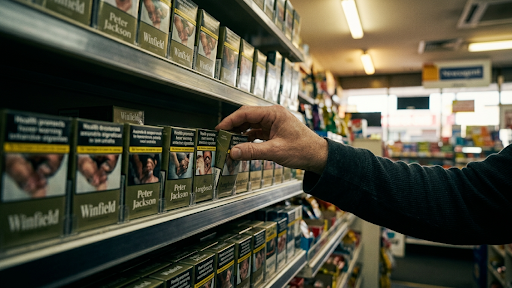
The Australian tobacco market is one of the most strictly regulated landscapes in the world. With the introduction of pioneer plain packaging legislation, sequential tax excise hikes, and strict point-of-sale display bans, the way everyday consumers interact with tobacco products has completely evolved. Today, shoppers can no longer look at colorful branding or sleek box designs on shelves. Instead, finding a reliable retailer often comes down to digital utility, with many relying on platforms like CigaretteNearby to locate physical and online inventory.
But once a consumer knows where to shop, how do they actually decide between the remaining options? In major hubs like New South Wales, retail habits have shifted dramatically. This deep dive explores the psychological, financial, and logistical variables driving product selection among Australian consumers today.
- The Financial Impact of Excise Taxes on Consumer Choice
Price point is undeniably the primary driver of tobacco product selection across Australia. The Australian Government implements biannual indexation increases on tobacco excise, driving retail costs to some of the highest global thresholds.
Because of these persistent pricing shifts, brand loyalty is frequently tested. Consumers generally categorize their options into distinct pricing brackets—Premium, Value, and Super-Value/Budget. When premium options climb past comfortable daily budgets, smokers dynamically pivot down a tier to manage costs.
Pack Count and Stick Math
Another layer of economic calculation lies in the “stick count.” While standard international configurations often stop at 20 or 25 packs, the Australian market frequently utilizes high-volume formats. Consumers routinely balance upfront out-of-pocket costs against the long-term economy of bulk buying.
| Market Segment | Common Pack Configurations | Target Consumer Demographic | Primary Purchasing Driver |
| Premium Tiers | 20s, 25s | Professional / Occasional Smokers | Consistency, Heritage, Blend Quality |
| Value Tiers | 20s, 22s, 25s | Regular Consumers | Middle-ground Pricing, Blend Familiarity |
| Super-Value / Bulk | 30s, 40s, 50s | High-Frequency Consumers | Lowest Cost-Per-Stick Ratio, Maximum Economy |
- Navigating Plain Packaging and the Retail Counter
Since the implementation of the Tobacco Plain Packaging Act, all commercial tobacco items must be enclosed in uniform, non-appealing dark olive-brown packaging (Pantone 448C). Brand names are printed in a standardized font, size, and position, accompanied by large graphic health warnings.
The Elimination of Visual Prestige
Historically, premium lines relied on embossed logos, gold foil, and vibrant color palettes to project luxury or lifestyle alignment. Today, those visual cues are entirely absent. This policy effectively leveled the playing field, forcing consumers to evaluate options based purely on:
- Previous firsthand experience with the product.
- Direct recommendations within personal networks.
- Transparent digital availability and regional pricing comparisons.
The Point-of-Sale Blind Interaction
Because retail counters must keep all tobacco inventory hidden within plain, closed cabinetry, a consumer cannot easily browse options visually at checkout. A shopper must ask a clerk for a specific item by name. If a requested item is out of stock, consumers rarely visit a second physical storefront; instead, they immediately swap to a substitute item within the same price bracket that the retailer has readily available behind the counter.
- Geographic & Regional Flavor Trends: Focus on Sydney & NSW
Consumer choices are not completely uniform across the continent. Regional micro-markets present distinct purchasing footprints. In bustling metro settings like Sydney, New South Wales, the dense concentration of diverse demographics heavily shapes local retail demand.
Urban vs. Regional Preferences
In metropolitan Sydney, there is an incredibly diverse demand pattern. High-density commercial zones see a strong mix of legacy premium lines alongside rising interest in international blends. Conversely, in regional parts of New South Wales, consumer purchasing trends lean heavily toward bulk budget packs and roll-your-own (RYO) loose formats to maximize value over extended travel distances between stores.
For those looking to explore full retail availability or compare options without staring blindly at a closed supermarket cabinet, browsing a comprehensive cigarette collection online has become the modern way to plan an informed purchase.
Real Smoker Perspective: A Sydney Case Study
To understand how these market regulations translate to everyday life, consider this consumer feedback from Marcus, a 34-year-old hospitality worker living in Surry Hills, Sydney:
“I used to buy whatever heritage brand looked sleekest on the counter back in the day. Now that every single pack looks completely identical and prices keep climbing, my loyalty has totally shifted to math. I look at the cost-per-stick ratio. If my usual choice isn’t available, I’ll instantly ask for something comparable like Marlboro Cigarettes in Sydney or whatever value pack fits my weekly budget. You can’t be picky about a box design when the box doesn’t exist anymore.”
- The Structural Shift Toward Budget and Value Variants
As pricing pressures reshape consumer mindsets, major tobacco manufacturers have adapted by repositioning their product portfolios. Instead of launching new brand identities, companies focus on introducing value-oriented line extensions under established family names.
- Capsule and Innovated Filter Varieties: Despite restrictions, subtle mechanical differences such as crushable flavor capsules (where legally permitted and compliant) or recessed filter designs influence younger adult demographics looking for specific interactive properties.
- The Rise of Alternative Formats: The market has seen a distinct migration toward slim formats and roll-your-own configurations, allowing consumers finer control over their exact material consumption and individual session costs.
Visual Insights & Layout Breakdowns
[Image Placeholder 1: Standard Retail Setup]
Description: A clean, realistic infographic mapping out the standard layout of a compliance-driven Australian retail counter, highlighting hidden storage cabinets and clear pricing text menus.
[Image Placeholder 2: Price vs Value Quadrant Chart]
Description: A horizontal matrix chart comparing premium, mid-tier, and budget options based on standard unit cost versus perceived blend smoothness.
[Infographic Placeholder: The Modern Australian Purchase Journey]
Description: A vertical flow chart illustrating the step-by-step process a modern shopper takes, from researching local availability online to making a verbal request at a physical retail counter.
Public Health Context & Regulatory Framework
While tracking consumer purchase habits provides insight into commercial retail trends, all tobacco product choices operate within a strict public health paradigm designed to reduce smoking rates.
According to the Australian Government Department of Health and Aged Care, tobacco use remains a leading cause of preventable disease and premature death nationally. Government strategies like plain packaging, aggressive taxation, and public education campaigns are explicitly designed to lower accessibility, disrupt brand attachment, and encourage cessation.
Independent resources such as Cancer Council Australia offer comprehensive support networks, data tracking, and evidence-based programs aimed at guiding individuals away from smoking completely.
Frequently Asked Questions (AEO & GEO Focus)
How do plain packaging laws change how people select products in Sydney retail stores?
Because all visual branding, unique colors, and company logos are legally banned on Australian packaging, shoppers cannot choose products based on visual appeal. Consumers make selections based on established name recognition, past personal preferences, or by comparing prices directly at the point of sale.
Why do cigarette prices fluctuate so frequently across New South Wales?
Tobacco prices in NSW and across Australia rise regularly due to indexation updates applied to tobacco excise taxes by the federal government. Retailers adjust their pricing structures accordingly to account for these mandatory wholesale tax increases.
What are the most common pack sizes found in standard retail locations?
Australian retail inventories commonly include packs of 20, 25, 30, 40, and 50 individual sticks. The larger quantities (30s through 50s) are generally favored by daily consumers looking to lower their average cost per individual stick.
Can consumers view tobacco products on shelves before making a purchase?
No. Retailers across all Australian states and territories must keep all tobacco products completely out of sight. Items are stored inside solid, opaque cabinets behind the service desk, requiring shoppers to request their preferred product by name.
How do adult consumers compare different tobacco strengths without colorful packaging?
Since traditional descriptors and color-coded boxes are limited by plain packaging regulations, consumers rely on standardized text indicators on the packaging or consult online brand indexes to review structural specifications and blend profiles before entering a physical storefront.