

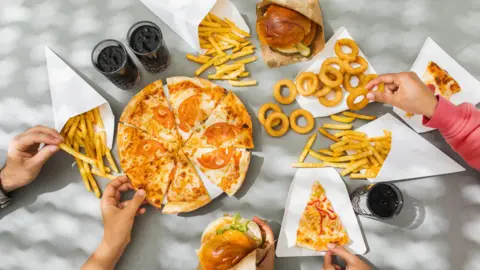
Modern society has become addicted to convenience.
Fast food restaurants, frozen dinners, instant noodles, packaged snacks, sugary drinks, and ready-made meals dominate supermarket shelves and daily eating habits across America. For millions of people, cooking at home has slowly been replaced by drive-thru meals, microwave dinners, food delivery apps, and heavily processed convenience foods designed for speed rather than nutrition.
Even foods associated with comfort and tradition, such as a homemade banana bread recipe passed down through generations, have increasingly been replaced by commercial boxed mixes and packaged baked goods filled with preservatives, artificial flavors, excessive sugar, and industrial ingredients. What once came from home kitchens is now often manufactured in factories designed to maximize shelf life and corporate profits.
At first glance, processed foods may appear harmless. They are affordable, easy to prepare, aggressively marketed, and available almost everywhere. Their packaging promises convenience, flavor, energy, and sometimes even health benefits.
But behind the colorful labels lies a disturbing reality.
Many ultra-processed foods contain excessive amounts of sugar, sodium, unhealthy fats, preservatives, artificial colors, flavor enhancers, and chemically engineered ingredients linked to rising rates of obesity, diabetes, heart disease, digestive disorders, chronic inflammation, and other serious health conditions.
Over the last several decades, the dramatic increase in ultra-processed food consumption has paralleled one of the largest public health crises in American history.
The evidence is becoming harder to ignore:
the more processed the modern diet becomes, the sicker many people become.
What Are Ultra-Processed Foods?
Not all food processing is harmful.
Basic processing methods such as freezing vegetables, pasteurizing milk, or canning beans can improve food safety and convenience without significantly damaging nutritional value.
The real concern involves ultra-processed foods—industrial products heavily modified with ingredients rarely used in home kitchens.
These foods commonly contain:
- Artificial flavors
- Preservatives
- Food dyes
- Refined sugars
- High-fructose corn syrup
- Industrial seed oils
- Stabilizers
- Emulsifiers
- Flavor enhancers
Examples include:
- Sugary cereals
- Packaged desserts
- Frozen pizzas
- Fast food meals
- Instant noodles
- Processed meats
- Soda and energy drinks
- Chips and snack foods
- Microwave dinners
Many ultra-processed foods are designed to be extremely profitable by encouraging repeat consumption.
They are engineered not just for taste, but for addiction-like cravings.
The Science Behind Processed Food Addiction
Food corporations spend billions studying human behavior and taste preferences.
Scientists carefully analyze:
- Sweetness levels
- Salt intensity
- Texture
- Crunch sounds
- Mouthfeel
- Aroma release
to create foods that stimulate pleasure centers in the brain.
The combination of sugar, fat, and salt found in many processed foods triggers dopamine release, encouraging consumers to keep eating.
Unlike whole foods, ultra-processed foods are often designed to bypass natural fullness signals. They digest rapidly, spike blood sugar, and leave people hungry again shortly afterward.
This creates a dangerous cycle:
- Cravings increase
- Overeating becomes common
- Weight gain develops
- Energy crashes occur
- Consumers continue seeking processed foods
The system is highly profitable because repeat cravings drive repeat purchases.
The Obesity Crisis
One of the clearest consequences of ultra-processed food consumption is obesity.
Over the past several decades, obesity rates in the United States have risen dramatically among both adults and children.
Ultra-processed foods contribute to obesity because they are often:
- High in calories
- Low in fiber
- Nutritionally poor
- Easy to overconsume
Sugary drinks, fast food meals, snack foods, and desserts deliver large amounts of calories without creating lasting fullness.
At the same time, processed foods may encourage constant snacking and emotional eating habits.
The result is a society where many people consume far more calories than their bodies need while still feeling undernourished.
Diabetes and Blood Sugar Damage
Type 2 diabetes has become one of the fastest-growing chronic diseases in America.
Highly processed foods rich in refined carbohydrates and added sugars place enormous stress on the body’s blood sugar regulation systems.
Repeated blood sugar spikes force the pancreas to produce large amounts of insulin. Over time, cells may become resistant to insulin, leading to insulin resistance and eventually diabetes.
Foods strongly linked to blood sugar instability include:
- Sugary beverages
- Candy
- Sweetened cereals
- White bread
- Processed desserts
- Fast food meals
Unfortunately, many of these products are aggressively marketed and deeply embedded in daily American diets.
Heart Disease and Processed Diets
Heart disease remains one of the leading causes of death in the United States.
Many ultra-processed foods contribute to cardiovascular problems because they are high in:
- Sodium
- Refined carbohydrates
- Added sugars
- Unhealthy fats
- Industrial oils
Excess sodium intake may contribute to high blood pressure, while chronic inflammation and metabolic dysfunction increase cardiovascular risk.
Processed meats such as hot dogs, sausages, bacon, and deli meats have also been associated with increased health risks when consumed excessively.
Meanwhile, diets rich in whole foods such as vegetables, fruits, nuts, legumes, and healthy fats are consistently associated with better heart health outcomes.
The Hidden Dangers of Food Additives
Modern processed foods often contain chemical additives designed to improve:
- Shelf life
- Texture
- Flavor
- Appearance
- Freshness
These include:
- Artificial food dyes
- Preservatives
- Flavor enhancers
- Emulsifiers
- Stabilizers
Some studies have raised concerns about how certain additives may affect:
- Gut health
- Inflammation
- Hormonal balance
- Behavior in children
- Metabolic function
Although many additives are approved by regulatory agencies within certain limits, critics argue that the long-term effects of consuming combinations of additives daily over decades remain poorly understood.
Gut Health and the Microbiome
Scientists increasingly recognize the importance of gut health in overall wellness.
The digestive tract contains trillions of bacteria known collectively as the gut microbiome. These microorganisms influence:
- Digestion
- Immunity
- Metabolism
- Inflammation
- Mood
Diets high in processed foods and low in fiber may negatively affect gut bacteria balance.
Some emulsifiers and artificial ingredients found in ultra-processed foods are also being studied for their potential impact on gut lining integrity and inflammation.
Whole foods rich in fiber help nourish beneficial gut bacteria and support digestive health.
Why Cooking at Home Matters
Cooking at home gives people control over what they eat.
When preparing meals yourself, you can control:
- Ingredients
- Portion sizes
- Sugar levels
- Sodium content
- Oil quality
- Freshness
Home-cooked meals generally contain fewer additives and more nutrient-dense ingredients than heavily processed convenience foods.
Cooking also encourages greater awareness about nutrition and eating habits.
Even simple meals prepared at home are often healthier than many restaurant or packaged alternatives.
The Decline of Home Cooking
Several decades ago, cooking at home was a daily routine for most families.
Today, many households rely heavily on:
- Fast food
- Food delivery apps
- Frozen dinners
- Packaged snacks
- Restaurant takeout
Busy schedules, long work hours, and convenience culture have contributed to the decline of home cooking.
Unfortunately, this shift has reduced people’s connection to real ingredients and traditional food preparation.
The less people cook, the more dependent they become on commercial food systems.
Children Are Growing Up on Processed Foods
Children are especially vulnerable to the processed food industry.
Companies aggressively market sugary snacks and fast food using:
- Cartoon characters
- Toys
- Bright packaging
- Social media trends
- Influencers
Many children regularly consume:
- Sugary cereals
- Candy
- Soda
- Fast food meals
- Artificially flavored snacks
These habits shape taste preferences early in life and may increase the risk of:
- Childhood obesity
- Blood sugar instability
- Nutritional deficiencies
- Long-term chronic disease
Teaching children healthy eating habits through home cooking can have lifelong benefits.
The Emotional Side of Processed Foods
Processed foods are not just physical products—they are emotional products.
Advertising often connects fast food and snacks with:
- Comfort
- Happiness
- Celebration
- Family bonding
- Stress relief
Many people turn to processed foods during periods of:
- Stress
- Anxiety
- Loneliness
- Fatigue
This emotional relationship can make unhealthy eating patterns difficult to break.
At the same time, diets rich in processed foods may contribute to mood instability and energy crashes that worsen emotional well-being.
Easy Home Cooking Can Improve Health
One common misconception is that healthy cooking must be complicated or time-consuming.
In reality, many easy dinner ideas can be both nutritious and practical.
Simple meals may include:
- Grilled chicken with vegetables
- Rice and beans
- Homemade soups
- Stir-fried vegetables
- Baked fish with potatoes
- Salads with lean protein
- Whole-grain pasta with fresh ingredients
Cooking does not require gourmet skills to improve health.
Even preparing a few meals at home each week can reduce dependence on ultra-processed foods.
The Supplement Industry Cannot Replace Real Food
As chronic disease rates increased, the wellness and supplement industry exploded into a multibillion-dollar business.
Millions of Americans now rely on:
- Protein powders
- Vitamins
- Meal replacement shakes
- Energy boosters
- Digestive supplements
While supplements may provide support in certain situations, experts consistently emphasize that supplements cannot fully compensate for a poor diet.
Whole foods contain complex combinations of:
- Fiber
- Antioxidants
- Vitamins
- Minerals
- Healthy fats
- Phytonutrients
that work together naturally in ways supplements often cannot replicate.
True health still depends heavily on consistent dietary habits built around real food.
Why the Food Industry Resists Change
Ultra-processed foods are extremely profitable.
They are:
- Cheap to manufacture
- Highly shelf stable
- Easy to distribute
- Intensely marketable
- Designed for repeat purchases
Fresh whole foods spoil faster and typically produce lower profit margins.
As a result, food corporations invest billions into advertising campaigns designed to normalize processed food consumption.
Consumers are constantly exposed to messages encouraging:
- Fast meals
- Convenience
- Snacking
- Sugary beverages
- Oversized portions
This marketing environment makes healthy eating more challenging for many people.
Small Changes Can Make a Big Difference
Improving health does not require perfection.
Small consistent changes can significantly reduce processed food intake and improve overall wellness.
Helpful strategies include:
- Cooking more meals at home
- Drinking more water
- Reading ingredient labels
- Reducing sugary beverages
- Eating more vegetables
- Choosing whole foods more often
- Limiting fast food consumption
Replacing even a few processed meals each week with homemade alternatives can positively impact energy levels, digestion, and long-term health.
Rebuilding a Better Relationship With Food
Modern food culture often encourages people to eat quickly, emotionally, and mindlessly.
Cooking at home helps restore a healthier relationship with food by encouraging:
- Awareness
- Intention
- Simplicity
- Ingredient knowledge
- Portion control
It reconnects people with the original purpose of food:
nourishment rather than constant stimulation.
The rise of ultra-processed foods has transformed modern eating habits and contributed to one of the most serious public health crises in history.
Convenience foods now dominate daily life, offering speed and intense flavor while increasing the risk of obesity, diabetes, heart disease, digestive problems, and chronic illness.
Many of these products are carefully engineered to maximize cravings and corporate profits rather than human health.
At the same time, home cooking has steadily declined, leaving millions increasingly dependent on industrial food systems.
The good news is that change is possible.
Cooking more meals at home, choosing whole foods, reducing processed products, and becoming more aware of ingredients can dramatically improve long-term health.
The message is becoming increasingly clear:
either we return to real food and healthier habits—or society will continue paying the price for ultra-processed diets with rising illness, medical costs, and declining quality of life.
Sometimes the most powerful health decision is also the simplest:
stepping back into the kitchen and reclaiming control over what we eat.