

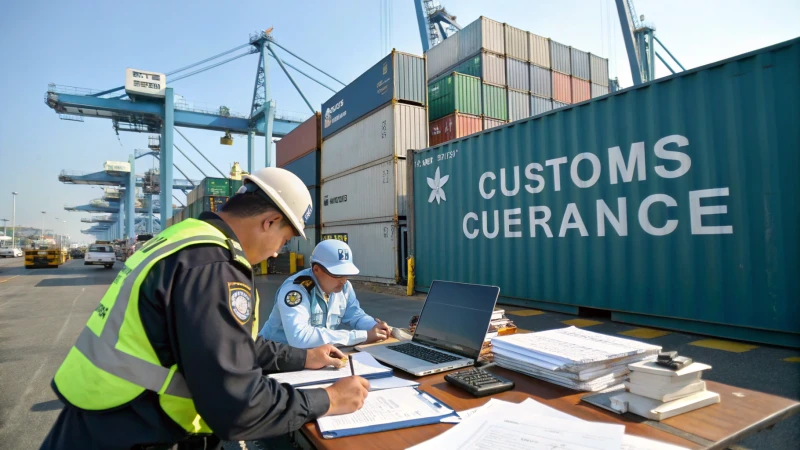
Navigating the intricacies of customs clearance in the UK can be daunting, whether you’re an importer or an exporter. This article aims to unravel the complexities of customs clearance, detailing the necessary processes, the role of customs agents, and what you should do once clearance is complete. By understanding these elements, you can ensure a smoother journey through the customs landscape.
What is Customs Clearance?
Customs clearance is an essential process that facilitates the import and export of goods across international borders. It involves submitting the necessary documentation to the appropriate customs authorities to ensure compliance with regulatory requirements. The process ensures that all shipments meet the legal obligations before they can be released into or out of a country.
Understanding customs clearance is crucial for any business involved in international trade. It ensures you avoid penalties, delays, or even confiscation of goods. Moreover, efficient customs clearance can enhance your supply chain’s efficiency, reducing lead times and improving customer satisfaction. By mastering these processes, you position your business for success in the global marketplace.
In the UK, customs clearance involves several steps, including documentation verification, payment of duties and taxes, and possible inspections. Each step requires careful attention to detail to ensure compliance. Familiarising yourself with these steps will empower you to manage your shipments effectively and avoid potential pitfalls.
What Needs to be Cleared in Customs?
When engaging in international trade, several items need to be cleared by customs. This includes not only the physical goods but also the accompanying documentation. Accurate documentation is crucial, as it outlines the nature of the goods, their value, and the parties involved in the transaction.
The items that require customs clearance typically include commercial products, raw materials, and even personal effects. Each category has its specific requirements and regulatory frameworks. Understanding the nuances of these categories can help you prepare adequately and avoid unnecessary complications during the clearance process.
Apart from goods, customs clearance also involves the assessment and payment of duties and taxes. These fees vary based on the type of goods and their declared value. Ensuring that all necessary payments are made promptly is vital to avoid delays. By staying informed about the current tariffs and regulations, you can plan your shipments more effectively.
The Role of a Customs Agent
Customs agents, or customs brokers, play a pivotal role in facilitating customs clearance. They act as intermediaries between your business and customs authorities, ensuring that all documentation and procedures are handled efficiently. With their expertise, customs agents can help navigate complex regulations and expedite the clearance process.
Engaging a customs agent can be particularly beneficial for businesses new to international trade or those with high-volume shipments. They possess in-depth knowledge of customs regulations and can provide valuable advice on tariff classifications, documentation requirements, and compliance issues. By leveraging their expertise, you can focus on your core business activities while ensuring a seamless customs clearance experience.
It’s important to select a reputable customs agent who understands your business needs and industry-specific requirements. A good agent will not only manage the clearance process but also keep you informed of regulatory changes that may affect your operations. Building a strong relationship with your customs agent can lead to more efficient and cost-effective customs management.
Key Processes Involved in Customs Clearance
The customs clearance process in the UK involves several critical steps, each requiring meticulous attention to detail. Understanding these key processes is essential to ensure compliance and avoid delays.
- Documentation Submission: The first step involves preparing and submitting the required documentation, such as invoices, packing lists, and certificates of origin. Accurate and complete documentation is crucial to avoid discrepancies that may lead to delays.
- Customs Declaration: A formal declaration of the goods being imported or exported must be made. This includes details of the shipment, such as its value, weight, and tariff classification. The declaration must be accurate to prevent potential penalties.
- Payment of Duties and Taxes: Depending on the goods and their destination, duties and taxes may be applicable. These must be calculated and paid before the goods can be released. Understanding the current tariffs and tax rates is vital to ensure correct payment.
- Inspection and Approval: Customs officials may inspect the goods to verify the accuracy of the declaration and ensure compliance with regulations. Any discrepancies can lead to further scrutiny and potential delays.
By understanding these processes, you can better prepare for customs clearance and avoid common pitfalls. Proper planning and attention to detail can significantly reduce clearance times and enhance your supply chain efficiency.
Common Challenges in Customs Clearance
Customs clearance can present several challenges that may impact your business operations. Being aware of these common issues can help you develop strategies to overcome them effectively.
One of the primary challenges is the complexity of customs regulations, which can vary significantly between countries and even regions within a country. Keeping up to date with these regulations requires continuous effort and vigilance. Engaging a knowledgeable customs agent can alleviate some of this burden, ensuring that you remain compliant with current rules.
Another common challenge is the potential for delays due to incomplete or inaccurate documentation. Ensuring that all paperwork is correctly prepared and submitted can prevent unnecessary holdups. Regular audits of your documentation processes can help identify and rectify any recurring issues.
Finally, unexpected inspections can disrupt your supply chain, leading to increased costs and time delays. While some inspections are random, maintaining a good compliance record can reduce the likelihood of frequent inspections. By prioritising compliance and accuracy, you can mitigate these common challenges and streamline your customs clearance process.
What to Expect During the Customs Clearance Process
The customs clearance process can be complex and time-consuming, but understanding what to expect can help you navigate it more effectively. Each stage of the process presents unique requirements and challenges.
Firstly, you should expect to provide comprehensive documentation for your shipment. This includes commercial invoices, shipping documents, and any necessary licences or permits. Ensuring that all documents are complete and accurate is crucial to avoid delays.
During the customs declaration stage, your shipment’s details will be scrutinised to ensure compliance with relevant regulations. This includes verifying the tariff classification, value, and origin of the goods. Any discrepancies can result in further investigations and potential penalties.
Once your documentation is approved, you may be required to pay applicable duties and taxes. Timely payment is essential to prevent additional delays. Finally, your goods may be subject to inspection before they are released. While not all shipments are inspected, it’s important to be prepared for this possibility. By understanding these expectations, you can better prepare for the customs clearance process and ensure a smoother experience.
Next Steps After Clearance is Finished
Once customs clearance is complete, there are several important steps you should take to ensure the continued success of your shipment and business operations. These steps will help you maintain compliance and improve your future customs experiences.
- Documentation Review: After clearance, review all documentation to ensure accuracy and completeness. This will help you identify any areas for improvement and prevent future discrepancies.
- Record Keeping: Maintain comprehensive records of all customs transactions, including invoices, declarations, and payment receipts. These records are essential for audits and regulatory compliance.
- Feedback and Improvement: Gather feedback from your team and customs agent to identify any challenges faced during the clearance process. Use this feedback to refine your processes and enhance efficiency.
By taking these steps, you can ensure that your shipments are handled efficiently and that your business remains compliant with customs regulations. Proactive management of your customs processes can lead to improved operational efficiency and customer satisfaction.
Tips for Smoothing Your Customs Clearance Experience
Customs clearance can be a daunting process, but there are several strategies you can employ to make it smoother. These tips will help you navigate customs more efficiently and improve your overall experience.
- Stay Informed: Keep up to date with changes in customs regulations and tariffs. This will help you anticipate potential challenges and adjust your processes accordingly.
- Engage a Customs Agent: A knowledgeable customs agent can provide valuable guidance and support throughout the clearance process. Their expertise can save you time and reduce the risk of errors.
- Prepare Thorough Documentation: Ensure all required documentation is complete and accurate. Double-check details such as tariff classifications and declared values to prevent discrepancies.
- Plan for Inspections: Be prepared for potential inspections by ensuring your goods are properly documented and compliant with regulations. This will reduce the risk of delays.
- Leverage Technology: Use technology to streamline your customs processes. Digital tools can help automate documentation and track shipments, improving efficiency and accuracy.
By implementing these tips, you can enhance your customs clearance experience and minimise the risk of delays or penalties.
The Importance of Compliance in Customs Clearance
Compliance with customs regulations is crucial for any business engaged in international trade. It ensures that your shipments are processed efficiently and that you avoid potential penalties or legal issues.
Maintaining compliance requires a thorough understanding of relevant regulations and a commitment to adhering to them. This includes accurate documentation, timely payment of duties and taxes, and adherence to import and export restrictions. By prioritising compliance, you can reduce the risk of costly errors and improve your reputation with customs authorities.
Non-compliance can result in significant consequences, including fines, shipment delays, and even the seizure of goods. By investing in compliance training and resources, you can protect your business from these risks and enhance your supply chain efficiency.
Compliance is not just a legal requirement; it is a strategic advantage that can enhance your business’s competitiveness and credibility. By demonstrating a commitment to compliance, you can build trust with customers, partners, and regulators, paving the way for future success in the global marketplace.
Conclusion
Navigating the complexities of customs clearance in the UK requires a solid understanding of the processes involved, the role of customs agents, and the steps to take after clearance is complete. By staying informed and proactive, you can ensure a smoother clearance experience and enhance your business’s efficiency and compliance.
In a world where global trade is more interconnected than ever, mastering customs clearance is not just a necessity but a strategic advantage. Whether you’re a seasoned importer or new to the world of international trade, the insights provided in this article can help you navigate the customs landscape with confidence.
For businesses seeking to optimise their customs processes, consider partnering with experienced customs agents or leveraging technology solutions designed to streamline clearance procedures. By taking these steps, you can enhance your operational efficiency and position your business for success in the competitive world of international trade.
If you’re ready to take the next step in optimising your customs clearance process, consider reaching out to a specialised customs clearance agency, DCP Logistics Group from London. Their expertise can provide tailored solutions to meet your specific needs and ensure a seamless clearance experience. Don’t let customs clearance be a barrier to your global success—take action today and unlock new opportunities for your business.