

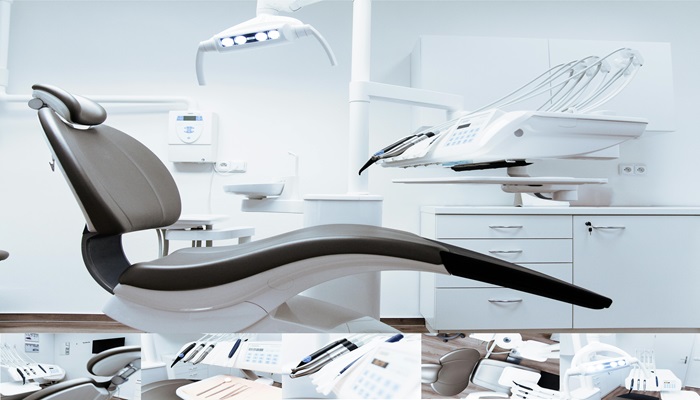
Choosing a suitable dental unit lays the foundation for smooth clinical workflows and high standards of patient care. A well-chosen unit supports daily efficiency and offers an inviting experience for those receiving treatment. When reviewing the many available models, focus not only on function and design but also on your practice’s particular requirements. Reliable dental units today incorporate helpful features and contribute to consistent routines and overall satisfaction among patients and providers.
Examining essentials like ergonomic seating, easy-to-operate controls, and integrated technology can shape the success and comfort of routine treatments. Additionally, attention to the expected durability and required upkeep for each dental unit model helps ensure your investment will serve effectively for years, minimizing costly downtime and disruptions to your schedule.
Essentials of Dental Units in Everyday Practice
Dental units form the central work hub in examination and treatment rooms. Their design combines multiple elements to simplify clinical procedures and enhance patient wellbeing. Every unit is built around a versatile dental chair that adapts to different treatments, allowing easy access and proper positioning for both the practitioner and the patient. Chairs often come with motorized adjustments, improving accessibility and convenience for a wide range of individuals.
In addition to the chair, delivery systems are crucial. They centralize important handpieces and air-water syringes, ensuring everything is at arm’s reach throughout a procedure. This setup supports both workflow and infection control. Lights mounted above the chair deliver bright, focused illumination, which is critical for accuracy and comfort during visual examinations and treatments.
Efficient coordination between these elements results in improved posture for clinicians, limiting physical strain even during lengthy appointments. Together, these integrated features define the dental unit’s impact on both productivity and long-term health at the workplace.
Features Worth Considering When Selecting a Dental Unit
Choosing among the many dental unit options involves weighing critical features that serve daily needs in the operatory. Foremost, adjustable dental chairs support optimal positioning and can handle the demands of different procedures. Some units integrate digital panels for quick and clear control over chair movement and tool operation.
Lights equipped with adjustable LED settings improve visibility and reduce eye fatigue during detail-oriented work. Movable handpieces attached to articulated arms offer flexibility and ease of movement. These placements are designed to minimize interruptions in clinical tasks.
Essential treatments are conducted with high- and low-speed handpieces, suction devices, and air-water syringes—all commonly found in an included instrument set. For additional hygiene, certain units provide detachable tubing that can be sterilized or include systems for continuous water filtration. Patients often appreciate thoughtful touches like storage for personal items or built-in massage programs, quiet mechanisms, and straightforward communication systems.
A careful review of these features allows practices to match a unit’s capabilities with their daily demands, contributing to a productive and calming environment for everyone involved.
Maintenance and Upkeep for Prolonged Dental Unit Performance
Regular maintenance ensures a dental unit delivers reliable service and meets hygiene standards. Clean and disinfect all touchpoints daily to minimize microbial contamination. Pay attention to handpieces, suction tubes, and surfaces exposed to splatter or frequent contact. Set aside time each week for checks on air and water lines, ensuring they are free of blockages and function smoothly.
Filter replacement and the inspection of water systems prevent buildup and maintain water quality. Monthly checks of mechanical parts, such as chair lifts and movement components, help prevent more significant issues down the line. Creating and updating a log of regular checks can highlight patterns or developing problems before they become disruptive.
Use only cleaning products recommended by the unit’s manufacturer to avoid damaging vital equipment. Scheduling inspections by professionals can further mitigate risks associated with unrecognized wear or system failures. It is essential for all staff to be educated on proper maintenance routines to maintain a consistently high level of function and safety.
Addressing Frequent Problems with Dental Units
Even dependable dental units may encounter occasional problems. Early recognition and prompt correction limit interruptions. For instance, water flow problems typically result from clogged or bent tubing. Replacing filters or clearing the passage often restores functionality. Air pressure irregularities are sometimes caused by loose fittings or debris in the lines. Checking and tightening these connections usually resolves the issue.
Power problems might emerge due to faulty cords or loose plugs, which can be quickly remedied by thorough visual checks. Unexpected mechanical noise may be a warning of worn parts—light lubrication or tightening can address such symptoms.
Maintaining clear maintenance routines and staying attentive to unusual sounds or changes boosts overall equipment longevity. These steps help ensure your dental unit continues functioning smoothly.
Developments in Dental Unit Technology
Recent years have brought significant improvements in dental unit design and functionality. Digital advancements have enabled the use of integrated sensors for monitoring patient wellbeing, along with tools that help gauge and predict potential faults in equipment. Enhanced imaging capabilities, including 3D scanners, have expanded possibilities for diagnosis and treatment planning.
Modern systems also support greater comfort with new ergonomic designs tailored to support practitioner posture and reduce long-term fatigue. Improved hygiene measures—like touch-free controls and automated cleaning cycles—make daily routines safer and more efficient. Connectivity has taken a leap forward, with units now capable of syncing with dental records, imaging devices, and software applications.
Thanks to these updates, practices can handle a broader range of services efficiently, reinforcing smooth operation and reliable care throughout the clinic.