

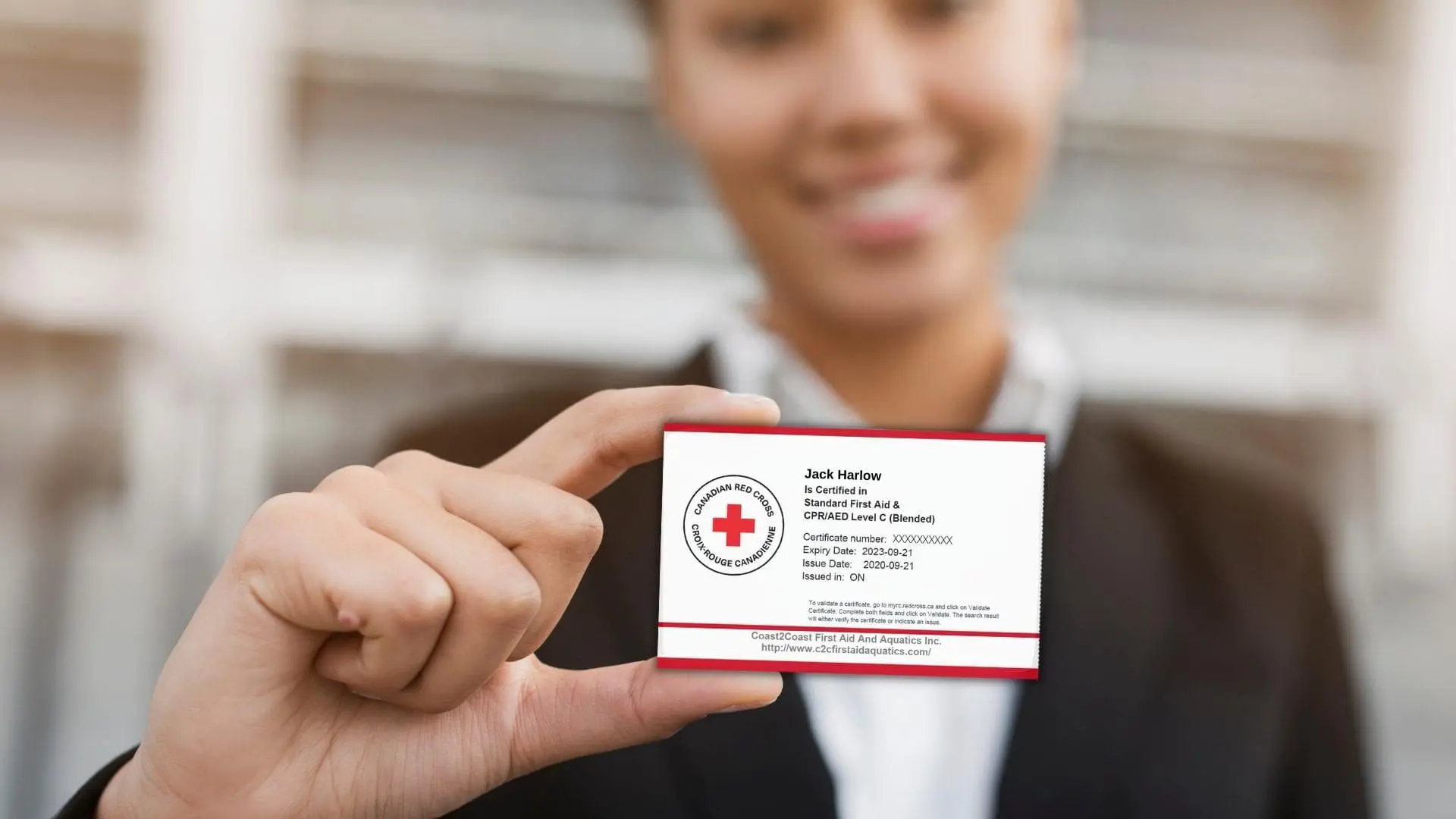
Introduction
Knowing how to respond during emergencies is more than just helpful—it can save lives. Whether at home, school, or work, accidents and sudden medical situations can happen to anyone. Earning a CPR and first aid certificate gives you the skills and confidence to act quickly and correctly. It also shows that you are prepared to help others safely. Even a small amount of training can make a huge difference in emergency situations.
Why Certification Matters
Certification is not just a piece of paper; it’s proof that you know how to respond in critical moments. Some reasons to earn a certificate include:
- Ensures you understand proper techniques for CPR and first aid
- Prepares you to act calmly in stressful situations
- Builds credibility if you work in schools, daycare, or healthcare
- Provides peace of mind for yourself and others
With official training, you gain hands-on experience, which is far more valuable than just reading instructions online.
Understanding CPR
CPR, or cardiopulmonary resuscitation, is used when someone’s heart stops beating. It keeps blood flowing to the brain and vital organs until professional help arrives. Key points about CPR include:
- Chest compressions: Pressing on the chest helps circulate blood.
- Rescue breaths: If trained, giving breaths provides oxygen to the lungs.
- Timing matters: Immediate action greatly increases survival chances.
Even learning only the chest compression technique can help save a life. Certification ensures you perform CPR safely and effectively.
Essential First Aid Skills
First aid is the immediate care given to someone who is hurt or suddenly ill. Certification courses cover the most important skills, such as:
- Stopping bleeding: Apply pressure with a clean cloth or bandage.
- Burn treatment: Cool burns with water and cover lightly.
- Choking response: Use back blows or abdominal thrusts safely.
- Fracture care: Stabilize broken limbs until help arrives.
- Shock management: Keep the person warm and calm.
Knowing these skills helps prevent injuries from worsening and gives you confidence in emergencies.
Benefits Beyond Personal Safety
Earning a CPR and first aid certificate benefits more than just you. It can help in:
- Home safety: Be ready if children, elderly family members, or pets need care.
- Workplace readiness: Protect coworkers and create a safer environment.
- Community impact: Be prepared to help strangers in public emergencies.
A certified individual often becomes the first line of defense in life-threatening situations.
Steps to Getting Certified
Certification is easier than many think. Following a few clear steps ensures you are prepared:
- Find a course: Look for programs that teach both CPR and first aid.
- Attend training sessions: Learn techniques through hands-on practice.
- Pass assessments: Most programs include simple tests to confirm your skills.
- Receive your certificate: This official recognition shows you are trained and ready.
Regular practice and refresher courses keep your skills current and reliable.
Real-Life Scenarios
Being certified can make a real difference. Some common situations where skills are useful:
- A coworker collapses at the office
- A child chokes during lunch at school
- Someone suffers a sudden burn in the kitchen
- A stranger experiences a heart attack in public
Having the knowledge to act confidently improves outcomes and could save a life.
Keeping Your Skills Sharp
Once certified, it’s important to maintain your skills. Techniques and guidelines can change over time, so staying updated is crucial. Ways to keep skills fresh include:
- Practicing on mannequins or through simulations
- Reviewing instructional materials regularly
- Taking short refresher courses annually
- Teaching others, which reinforces your knowledge
Being proactive ensures that you are always ready when emergencies arise.
Dispelling Common Myths
Many people hesitate to act during emergencies because of myths or fear. Certification helps clarify facts:
- Myth: Only medical professionals should perform CPR.
Fact: Anyone trained can safely perform CPR. - Myth: You might make the injury worse.
Fact: Immediate action is better than doing nothing. - Myth: First aid is only for major emergencies.
Fact: Minor care prevents serious complications and speeds recovery.
Understanding the truth encourages confident and quick action in emergencies.
Conclusion
Earning your CPR and first aid certificate is more than a personal achievement. It equips you with life-saving skills, confidence, and peace of mind. Emergencies can happen at any time, and being prepared allows you to act quickly and safely. By completing a certification course, you are not just helping yourself—you are creating a safer home, workplace, and community. Taking this step shows commitment, responsibility, and readiness to make a real difference.
For structured training and official recognition, consider enrolling in a CPR and First Aid Certification course today.