

Trees are amazing…until one’s leaning toward your living room.
One minute, that oak in your front yard is the reason you have the best shade on the block. The next, it’s split in half after a storm, sprawled across your driveway like it owns the place.
If you live in The Woodlands, TX, this scenario probably isn’t a stretch. Between pop-up thunderstorms, hurricane season, and the occasional gusty cold front, our trees take a beating. And when they do? Cleanup isn’t just inconvenient, it’s urgent.
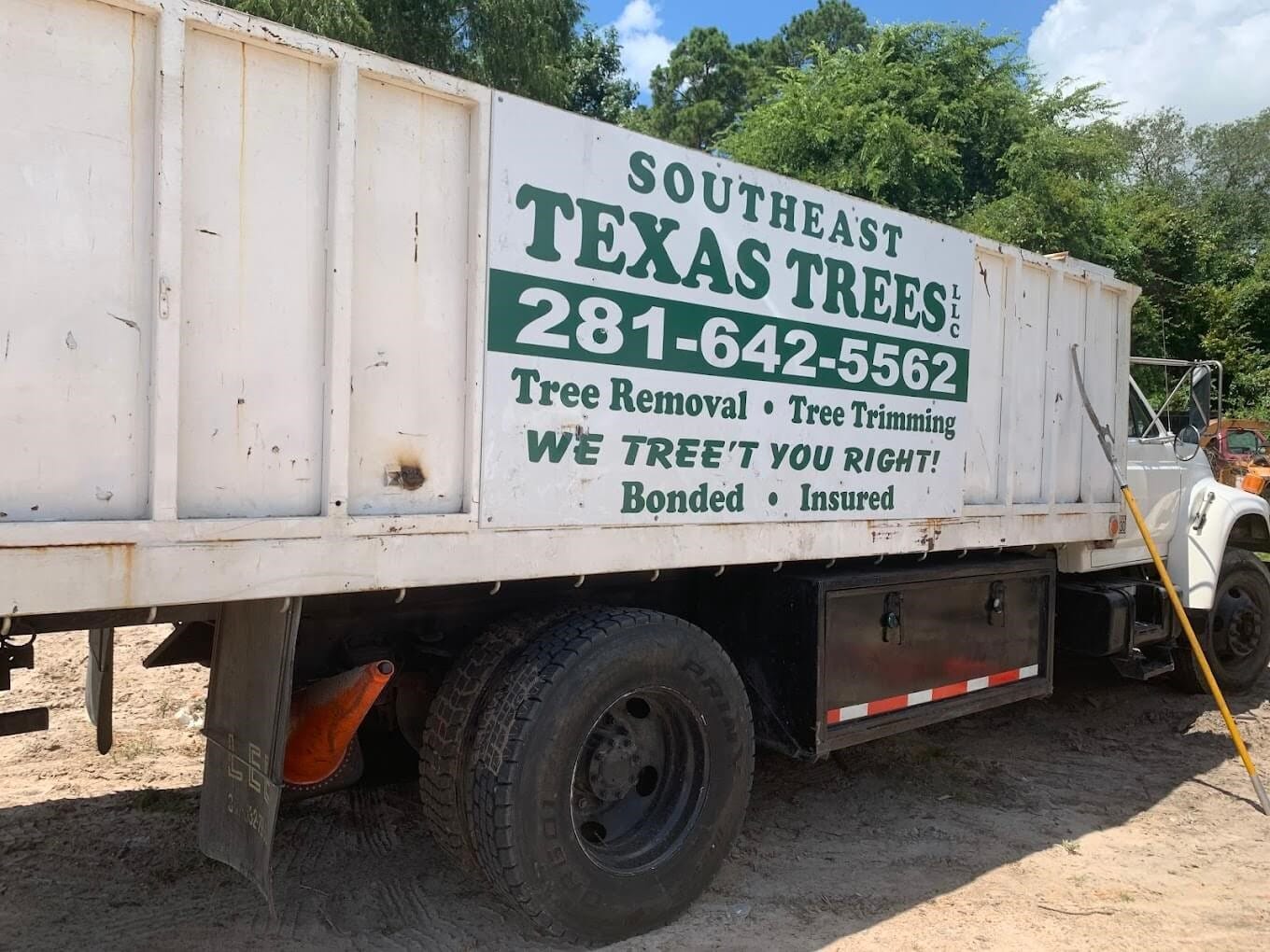
This isn’t a “maybe I’ll get to it next weekend” kind of job. It’s a “how fast can I fix this without making it worse” moment. That’s where local tree crews like Southeast Texas Trees come in. [Call 2816425562 for a Free Quote, serving Conroe and The Woodlands, TX]
Let’s talk about what a real emergency tree service looks like, how to handle it without panic, and why your safest move might be the call you make before anything even falls.
What Qualifies as an Emergency Tree Situation?
If you’re wondering whether it’s bad enough to call someone, here’s a rule of thumb: if it’s making you nervous, it’s worth a second opinion.
Some clear signs:
- A tree or limb has fallen on your house, garage, or car
- You’re blocked in or out by debris
- A tree is leaning dramatically after a storm
- You hear cracking or see splitting along the trunk
- Roots have lifted or shifted suddenly after heavy rain
These aren’t wait-and-see issues. A tree leaning at 20 degrees today could be horizontal by tomorrow. And even a branch you think you can handle with a chainsaw could weigh hundreds of pounds and behave unpredictably once cut.
Common Emergencies We See in The Woodlands, TX
Not all trees cause the same problems, and not all damage looks dramatic at first. Some of the most frequent emergency calls in this area include:
- Loblolly pines breaking at mid-height during storms
- Water oaks uprooting after days of heavy rain
- Cracked limbs stuck high above walkways or roofs
- Debris from multiple trees piling into shared fences
- Dead trees falling from one yard into another
The Woodlands isn’t just a name, it’s a living forest. Our neighborhoods were literally carved into the trees, which means property lines and tree lines often intersect in messy ways.
What You Should Do First?
There’s a rhythm to handling tree trouble, and it starts before the saw ever comes out.
- Stay safe – If the tree or branch is touching a power line, back away. Call 911 or the utility company.
- Take a few photos – Insurance companies will want them. And you’ll want them too, especially if the situation changes before help arrives.
- Don’t touch it – Unless it’s a twig on your lawn, leave it alone. Especially if the limb is under pressure. Trees snap back.
- Call someone who knows what they’re doing – Like the emergency team at Southeast Texas Trees. The sooner, the better.
You don’t need to have the answers. You just need to make the right call.
What Real Emergency Tree Work Looks Like
Let’s clear something up: emergency tree service isn’t just chainsaws and leaf blowers. It’s slow, deliberate, and done with surgical precision.
A good team will:
- Inspect the tree and surrounding area – They’ll look for secondary risks and root instability.
- Secure the scene – That may mean roping off the area or bracing partially fallen limbs.
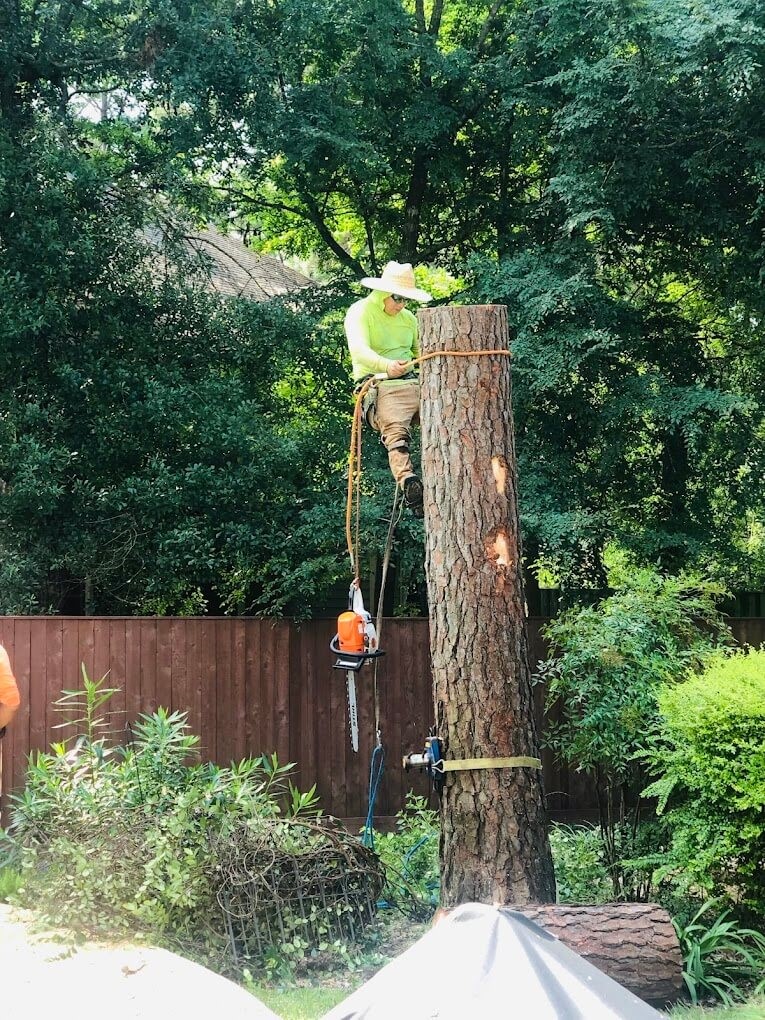
- Remove the tree in sections – Especially if it’s near structures, fences, or landscaping you want to keep.
- Clean up everything – Debris, stumps, the works. A true professional doesn’t leave half a mess behind.
You shouldn’t have to supervise or stress. That’s the point of hiring people who do this every week, especially in a place where sudden storms are just part of life.
How Much Does Emergency Tree Service Cost?
It depends on the tree, the situation, and the timing.
But here’s a general guide:
- Small jobs: $300–$500
- Mid-size removals: $800–$1,500
- Large trees or structural hazards: $2,000 and up
Costs climb if a crane is needed, if there’s night or weekend work, or if power lines are involved. And yes, your insurance might cover it, especially if the tree hit your house, fence, or shed.
Pro tip: document everything. Keep your estimate and photos in a folder. You’ll thank yourself later.
Can You Prevent Emergencies?
Most of the time, yes.
Trees talk before they fall. Cracks, fungus, bark shedding, dead limbs—these are warnings, not surprises. Having a certified arborist look things over once a year isn’t just smart, it’s preventive maintenance.
And if you’re not sure whether something needs to come down? Ask someone who knows. The team at Southeast Texas Trees includes certified arborists who can tell you what’s risky, what’s fine, and what can be trimmed instead of removed.
Tree Care Tips by Season
A little planning now means fewer surprises later. Here’s a seasonal cheat sheet:
Spring
- Look for fungal growth
- Prune weak or crossing branches
- Mulch around root zones (not on the trunk)
Summer
- Deep water during dry spells
- Watch for heat stress and pest activity
Fall
- Trim heavy canopies ahead of storm season
- Clear dead limbs
- Aerate soil if compacted
Winter
- Assess root systems after rain
- Remove any trees with advanced rot or lean
A lot of tree failures happen in winter because nobody checks them after fall. Don’t skip it.
FAQs: You Asked, We Answered
How fast can an emergency team arrive?
Usually within hours, same day in most cases. But during big weather events, priority goes to life and property risks.
Does insurance cover this?
If a tree hits a structure or blocks access to your home, often yes. Purely cosmetic removals? Usually not.
What if it’s my neighbor’s tree?
Tricky, but common. If it lands on your property, your insurer usually covers your side, then they may pursue the neighbor’s policy. Talk to your agent.
A Word on Trust
In this line of work, credentials matter. So does local experience. You want people who know the soil here. The trees. The way a storm bends a pine one way and snaps a water oak another.
Southeast Texas Trees isn’t just a crew with trucks. They’ve built their name by showing up, working safely, and leaving yards better than they found them. That’s not marketing—it’s reputation.
And around here, that’s everything.
Final Thought
You don’t plan for a tree to fall. But you can plan for what you’ll do if it does.
If something feels off about a tree on your property, trust that feeling. Whether it’s leaning, cracking, or just giving you that look, it’s easier to deal with it today than wish you had tomorrow.
That tree leaning outside might be saying more than you think. Whether it’s one branch or a full removal, let Southeast Texas Trees step in before a small concern turns into a major cleanup. Get your free quote today. Call Southeast Texas Trees at:2816425562