

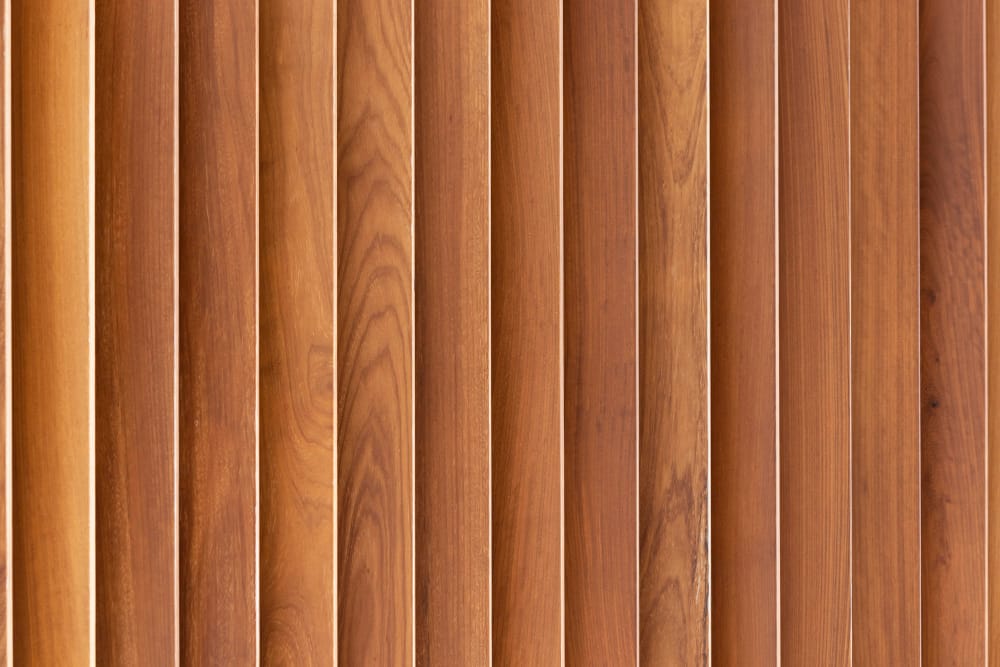
Introduction to Wooden Cladding:
Wooden cladding, often referred to as timber cladding or siding, has stood the test of time as a versatile and enduring architectural solution. From rustic cabins nestled in the woods to sleek urban facades, wooden cladding offers a myriad of benefits, both aesthetic and practical. This article delves into the world of wooden paneling (drevený obklad), exploring its history, advantages, design considerations, and sustainability aspects.
The History of Wooden Cladding:
Wooden cladding has a rich history that dates back centuries. Early civilizations utilized timber as a primary building material for shelter, protection, and insulation. In regions with abundant forests, such as Scandinavia and North America, wooden cladding became ubiquitous due to its availability and inherent durability.
Over time, the craft of wooden cladding evolved, with artisans experimenting with different wood species, installation techniques, and finishes. From the intricate timber facades of medieval European buildings to the simple yet elegant board-and-batten siding of colonial America, wooden cladding has continuously adapted to meet the stylistic preferences and environmental conditions of different eras.
Advantages of Wooden Cladding:
Natural Aesthetics: One of the most compelling reasons to choose wooden cladding is its innate beauty. Each wood species boasts unique grain patterns, colors, and textures, adding warmth and character to any structure. Whether it’s the rustic charm of cedar or the modern elegance of teak, wooden cladding enhances the visual appeal of buildings, blending seamlessly with natural surroundings or urban landscapes.
Versatility in Design: Wooden cladding offers architects and designers unparalleled versatility in design. It can be installed vertically, horizontally, or diagonally, allowing for creative expression and customization. Additionally, various profiles, such as bevel, tongue-and-groove, and shiplap, enable architects to achieve diverse architectural styles, from traditional to contemporary.
Durability and Longevity: Contrary to common misconceptions, properly maintained wooden cladding can exhibit remarkable durability and longevity. High-quality hardwoods and softwoods, when treated and installed correctly, can withstand environmental factors such as moisture, UV exposure, and temperature fluctuations. Additionally, regular maintenance, including staining or sealing, can prolong the lifespan of wooden cladding, ensuring years of beauty and performance.
Thermal Insulation and Energy Efficiency: Wood possesses natural insulating properties, making wooden cladding an excellent choice for improving thermal efficiency. By installing wooden cladding with an appropriate air gap and insulation, buildings can reduce heat loss during the winter months and minimize heat gain in summer, leading to lower energy consumption and reduced utility costs.
Sustainable Building Material: In an era marked by environmental consciousness, wooden cladding stands out as a sustainable building material. Responsibly sourced timber, harvested from well-managed forests, promotes forest regeneration and carbon sequestration. Moreover, wooden cladding requires less energy-intensive manufacturing processes compared to alternative materials like concrete or steel, further reducing its environmental footprint.
Design Considerations for Wooden Cladding:
When incorporating wooden cladding into architectural designs, several factors should be considered to ensure both aesthetic appeal and functional performance:
Wood Species Selection: Different wood species exhibit varying levels of durability, grain patterns, and coloration. Consider the local climate, exposure to sunlight, and maintenance requirements when selecting a suitable wood species for cladding.
Finishing Options: Finishes such as stains, paints, and natural oils not only enhance the appearance of wooden cladding but also provide protection against moisture, UV damage, and fungal decay. Choose a finish that complements the architectural style and desired aesthetic.
Installation Techniques: Proper installation is critical to the performance and longevity of wooden cladding. Follow manufacturer guidelines and best practices to ensure adequate ventilation, moisture management, and structural support.
Maintenance Requirements: Wooden cladding requires periodic maintenance to preserve its appearance and structural integrity. Develop a maintenance schedule that includes cleaning, inspection, and recoating as necessary to prolong the lifespan of the cladding.
Sustainability in Wooden Cladding:
Sustainability is a core consideration in modern architectural practices, and wooden cladding aligns well with this ethos. By opting for certified sustainably sourced timber, designers can mitigate the environmental impact associated with deforestation and promote responsible forestry practices. Additionally, the longevity and recyclability of wooden cladding contribute to its overall sustainability profile, making it a preferred choice for eco-conscious projects.
Wooden cladding is more than just a surface treatment; it’s an architectural statement that echoes through history, resonating with both tradition and innovation. Its ability to seamlessly merge aesthetics with functionality makes it a perennial favorite among architects, builders, and homeowners. From cozy cottages to sleek skyscrapers, wooden cladding has left an indelible mark on the built environment, imbuing spaces with warmth, character, and sustainability.
At the heart of wooden cladding’s appeal lies its natural beauty. Each plank tells a story, bearing the unique grain patterns, knots, and imperfections that reflect the life of the tree it came from. Whether it’s the rich hues of mahogany, the golden glow of cedar, or the silvery patina of weathered oak, wooden cladding adds depth and texture to facades, transforming mundane structures into works of art. Its timeless elegance transcends fleeting trends, offering enduring charm that only improves with age.
Yet, wooden cladding is more than just a visual treat; it’s a practical solution that enhances the performance of buildings. Its versatility allows architects to play with form and function, creating dynamic exteriors that respond to site constraints and design objectives. Whether used as a rainscreen to protect against moisture intrusion or as a shading device to mitigate solar heat gain, wooden cladding serves as a versatile tool in the architect’s toolkit.
Durability is another hallmark of wooden cladding. Contrary to popular belief, wood, when properly selected and maintained, can outlast many synthetic alternatives. High-quality hardwoods and softwoods, treated with preservatives and finishes, can withstand the rigors of the elements, enduring everything from torrential rain to scorching sun without losing their luster. With regular maintenance and care, wooden cladding can last for generations, becoming a lasting legacy for future inhabitants to cherish.
Moreover, wooden cladding boasts impressive sustainability credentials. Unlike non-renewable materials like concrete and steel, wood is a renewable resource that can be replenished through responsible forestry practices. By opting for certified sustainably sourced timber, designers can support forest conservation efforts and promote biodiversity while reducing their carbon footprint. Additionally, wooden cladding requires less energy to manufacture and transport compared to its synthetic counterparts, further minimizing its environmental impact.
Whether it’s a quaint cottage nestled in the countryside or a sleek office tower gracing the city skyline, wooden cladding has found its place in a diverse array of architectural contexts. Its timeless allure transcends cultural boundaries and geographical landscapes, embodying the universal appeal of nature in the built environment. As designers, builders, and homeowners continue to seek sustainable, aesthetically pleasing solutions, wooden cladding stands as a beacon of hope, reminding us of the enduring beauty and resilience of timber in the modern world.