

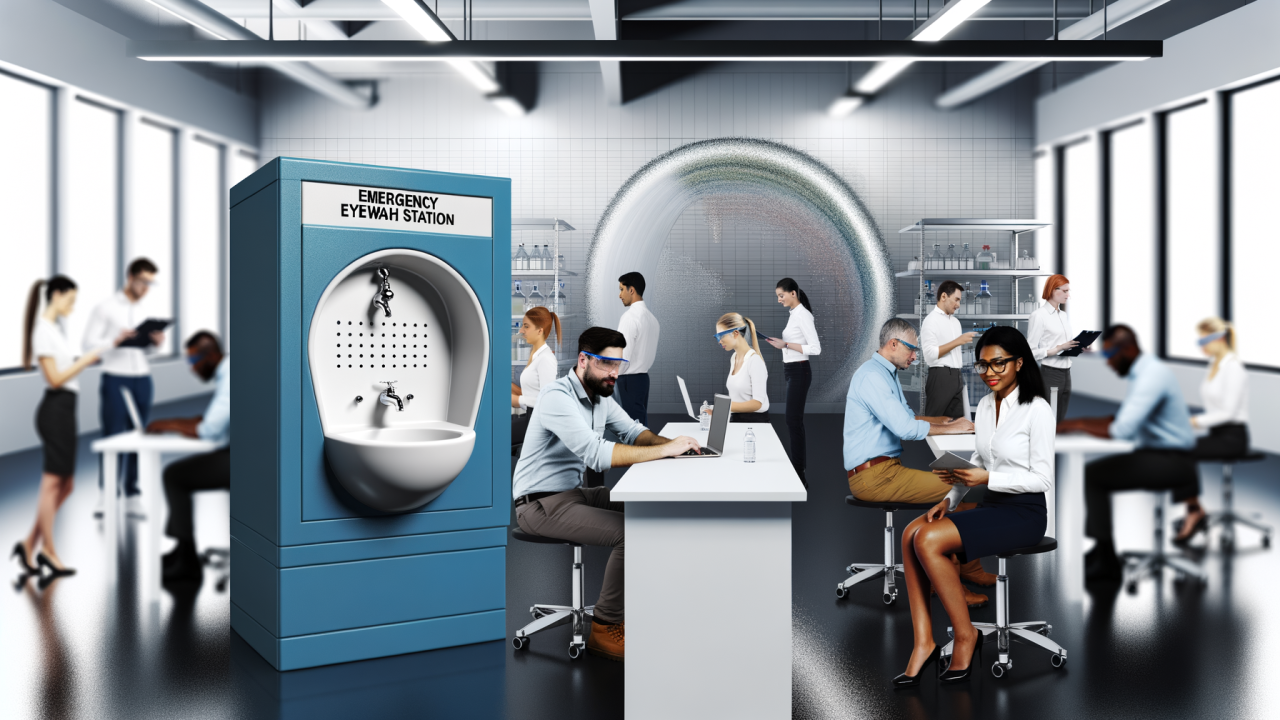
Ensuring the safety and well-being of employees is a primary responsibility of employers. In environments where the risk of eye injuries is significant, the importance of effective eye safety measures cannot be overstated. One crucial component of such safety measures is the presence of emergency eyewash stations. These are essential for providing immediate decontamination to someone who has been exposed to hazardous substances, thereby preventing or minimizing damage to eye tissue. This article examines the role of emergency eyewash stations in the workplace.
Understanding Emergency Eyewash Stations
An emergency eyewash station is a critical safety device designed to flush out harmful substances from the eyes, delivering a continuous flow of clean water or a sterile solution. Rapid use of an eyewash station can be the difference between minor irritation and serious, lasting injury.
In compliance with standards set by occupational health and safety organisations, emergency eyewash stations should be readily accessible, well-maintained, and clearly marked. Moreover, individuals working in hazardous environments must be trained in their use.
The Necessity in Various Work Environments
Several industries necessitate the installation of emergency eyewash stations due to the nature of their work. This includes laboratories, manufacturing plants, construction sites, and any workplace where chemicals or airborne particles are present. The risk of contamination is not limited to only those directly handling hazardous substances; accidental splashes, or a chain of unforeseen incidents, can pose a danger to anyone in the vicinity.
Chemical Exposure and Risk Mitigation
Hazardous materials such as acids, solvents, and bases are a significant threat to eye safety. Ensuring that appropriate emergency response facilities, like eyewash stations, are in place is a critical measure for mitigating risks associated with chemical exposure.
Regular risk assessments should identify areas where such facilities are needed, taking into account the potential for exposure and the concentration of hazardous materials. Workplaces must adhere to regulations and guidelines, which often stipulate the required proximity of eyewash stations to hazardous areas.
Applications Beyond Chemical Hazards
Beyond chemical hazards, operations such as grinding, welding, or wood cutting can produce particles that may injure the eye. Emergency eyewash stations provide frontline defense in flushing out these materials. A prompt response can significantly reduce the severity of the injury.
Types of Emergency Eyewash Stations
Different types of emergency eyewash stations are available, each designed to meet specific needs and work environments. Wall-mounted units are common in fixed locations, while portable eyewash stations provide flexibility and can be crucial in remote or temporary work sites where plumbing may not be available.
Portable eyewash stations are particularly valuable in adapting to changing workplace layouts or when workers are mobile within large facilities. These portable options ensure that safety does not have to be compromised when regular access to fixed eyewash facilities is not possible.
Storage of Hazardous Materials and the Relation to Eyewash Stations
Proper storage of hazardous materials is also a factor in workplace eye safety. For example, in settings where lpg storage is a consideration, the risk of leaks or explosions can have dire consequences for the eyes and overall safety. Implementing rigorous control measures, including the strategic placement of emergency eyewash stations, is vital for immediate response to potential incidents.
Facilities like LPG cages not only serve to contain and manage risks associated with flammable gases but also highlight areas where additional emergency equipment should be present.
Maintenance and Training
Successful implementation of emergency eyewash stations is not complete without proper maintenance and training. Regular inspection, cleaning, and verification ensure that these emergency devices are always ready for use. Additionally, employees must be trained on how to use them effectively.
Drills and training exercises can reinforce this knowledge, making the response second nature when an actual emergency occurs. It’s also vital for workers to understand the importance of seeking medical attention even after using an eyewash station, as some eye injuries require professional care.
Legal Requirements and Best Practices
Legal frameworks set the minimum requirements for the provision of emergency eyewash stations. These laws safeguard employees by ensuring that employers meet their obligations regarding workplace safety. Compliance is not only a legal requirement but also reflects a company’s commitment to the health and safety of its staff.
Employers striving for excellence should endeavor to exceed these minimum standards. Proactively reviewing safety procedures, embracing innovative safety solutions, and fostering a culture of safety can contribute significantly to reducing workplace injuries.
Conclusion
The presence of emergency eyewash stations is a crucial factor in maintaining eye safety in the workplace. Their immediate availability in case of an accident involving hazardous materials or particles is essential in providing an effective response to eye emergencies, reducing the potential for serious injury.
Employers must ensure that these stations are accessible, properly maintained, and that staff are trained in their use. By doing so, they create a safer working environment and demonstrate a commitment to the health and safety of their employees. It is an investment in human capital that pays dividends by reducing preventable injuries and fostering a conscientious work culture focused on safety and well-being.