

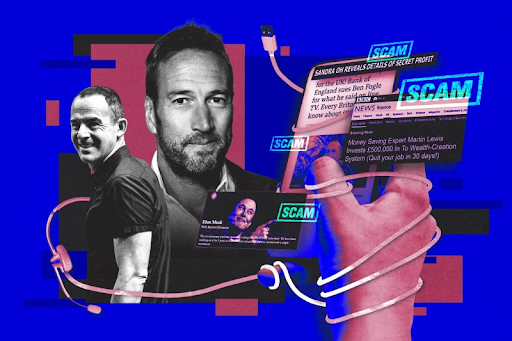
I have watched smart people fall for celebrity themed crypto promotions because the trap is not purely technical. It is emotional and social. The scammer borrows a famous face, adds urgency, and makes the offer feel like a once in a lifetime shortcut. A livestream overlay flashes a wallet address. A fake post claims a giveaway is live for the next ten minutes. A QR code promises instant doubling. In that moment, your brain does not run a compliance checklist. It runs a story: This is big, everyone is watching, I might miss out. That is why the safest response is to slow down and switch into evidence mode.
This guide focuses on practical steps you can take without drama. It explains how celebrity bait works, what proof to capture before it disappears, and how to report in ways that protect others without creating legal or privacy risk for you. It also covers what to do if you sent funds, because reporting is different when money has moved.
Why celebrity bait works (psychology and urgency)
Celebrity bait works because it compresses trust into a symbol. You do not know the person behind the account, but you recognise the face, the name, and the cultural weight. Scammers exploit that shortcut, then add scarcity. Only the first 5,000 participants. Ends in 12 minutes. Verified giveaway. Urgency is not decoration. It is the engine. It pushes you to act before you check.
The second lever is social proof. These scams often run under livestreams, in comment threads, or inside retweets and reposts where real people are already engaging with real content. The scammer does not need to create a crowd. They only need to stand near one. A pinned comment, a cloned account with a similar handle, or an overlay that looks like an official sponsor can borrow the credibility of the surrounding scene.
The third lever is simplicity. The scam reduces the action to one step. Send crypto here and get double back. Scan this code to claim. Connect your wallet to verify you are human. A real promotion rarely asks you to send funds first. A real platform rarely demands you connect a wallet just to watch a video. When the action is too simple for the reward, it is often because the reward is not real.
Sometimes victims describe the whole pattern with a search term like fake Elon Musk scam after they realise the account was not genuine. The term is understandable, but the reporting should focus on the mechanics: impersonation, the link or address shown, and the exact claim made.
Red flags in giveaways, livestream overlays, and QR codes
I look for mismatches. The first mismatch is identity. The account name looks right, but the handle is slightly off, the verification badge is missing, or the profile history does not match the person. If the account has few posts, recent creation dates, or generic replies, treat it as untrusted. A second mismatch is language. Celebrity accounts usually have a consistent tone. Scam overlays use urgent marketing language, awkward grammar, or repetitive phrases.
The next red flag is the send to receive structure. If the promotion asks you to send crypto to an address to unlock a reward, that is a strong signal of fraud. Another red flag is support”that appears out of nowhere. If someone messages you claiming to be official support and tells you to validate by connecting a wallet, they are not trying to help you. They are trying to get a signature.
QR codes deserve special caution because they hide the destination. A QR overlay can take you to a fake site, a malicious contract, or a link that triggers wallet connection prompts. Treat QR codes on livestreams like random links in a spam email. You can capture them for evidence, but you should not scan them with a wallet device.
A common trap after clicking is a prompt to approve a transaction or sign a message. People assume signing is harmless because it does not cost anything. In many cases, that signature is the doorway. It can grant spending approvals that let assets move without further action. When victims later talk about a wallet drain scam, they are often describing this sequence: connect, sign, then watch tokens leave.
Some campaigns reuse brand names to appear legitimate. People may mention terms like CriptoIntercambio scam or H5 NextLeap Smart Investment scam when they realise the platform behind the promotion is not registered anywhere credible. If you see a promotion pushing you to a platform you have never heard of, treat that as a stop sign until you can verify the firm through official sources.
Proof to capture before links disappear
Evidence disappears fast because scammers delete posts, rotate links, and switch accounts. If you are going to report responsibly, capture proof first, then report, then warn others. That sequence protects your case and helps platforms take action.
I capture the full context, not just a cropped screenshot. Take a screenshot showing the account profile, the post or livestream frame, and any visible URL text. If it is a video overlay, capture multiple frames so the claim and the destination are clear. If a QR code is shown, screenshot it, but do not scan it from the device that holds your wallet. If you need to decode it for reporting, do it on a safer device and treat the decoded destination as toxic.
Capture timestamps. Note the date and time you saw it and the time you interacted with it. Platforms and exchanges can act faster when they can cross reference your report with their logs. Capture the share link to the post if possible, because screenshots alone are harder to verify.
If you clicked and a page loaded, capture the page as well. Save the page title, the header text, and the wallet prompts. If it asked you to connect a wallet, capture the wallet connection screen. If it asked you to sign, capture the signing prompt details.
If you suspect an approval was granted, capture on chain evidence. That means transaction hashes for approvals and transfers. If your wallet supports it, export the activity log. Your report should include the wallet address, the contract address involved, and the sequence of transactions. A label like XA50B Wallet-Drainer Scam can be included once if you saw it in the wild, but investigators will rely on hashes, not labels.
If the scam also involved a fake trading site name that looks like a domain, keep that identifier inside your private case file and only paste it into official reporting forms that ask for it. For example, a person might recognise a term like Defi-trade.com scam from community warnings. You can include it once in your private evidence summary for searchability, but avoid spreading domain style strings publicly.
Reporting routes: platform reporting,domain/hosting, authorities
Platform reporting is the fastest way to reduce harm because it can remove the content and the account. Use the platform’s built in reporting tools for impersonation and scams. Choose the most accurate category, attach screenshots, and include the post link. If it was a livestream, report the channel and the stream. If it was a sponsored looking overlay, note that it used branding in a misleading way.
If you can identify a hosting provider or domain registrar behind the scam page, you can send an abuse report. Keep it short and factual. State that the page is impersonating a public figure, soliciting funds, and using deceptive claims. Include screenshots and the URL you visited. Hosting abuse teams respond better to clear evidence than to emotional language.
Authorities and cybercrime portals are useful for pattern detection and for cases where funds were sent or identity theft occurred. Reporting to your local cybercrime route can generate a reference number that your bank or exchange may request later. The goal here is not instant recovery. The goal is documentation, intelligence sharing, and a trail that can connect cases.
When I help people organise these reports, I keep everything in one place so details do not drift. I use Financecomplaintlist in the reporting routes workflow to store the evidence packet, the timeline, and the exact wording used in each report, because consistency makes follow ups easier.
If you want a broader reporting framework that also covers fake brokers and investment platforms beyond celebrity bait, I keep a reference to How to Report a Fake Trading Platform and File a Complaint against a Broker because it reinforces disciplined complaint writing and helps you avoid vague statements.
If you sent funds: immediate steps by payment type
If you sent crypto to an address shown in a celebrity bait promotion, treat it as time sensitive. Crypto transfers usually cannot be reversed, but speed still matters for containment and for exchange cooperation. The first action is to record the transaction hash and destination address. The second action is to contact any exchange involved. If you bought crypto on an exchange and then sent it, the exchange has records of your purchase and withdrawal. If the destination address belongs to an exchange deposit system, an exchange may be able to freeze funds under certain conditions, especially if law enforcement requests follow.
If you paid by bank transfer to a service that claimed to be a crypto broker, contact your bank’s fraud team immediately. Ask for a case number and request a recall or trace. Be calm and specific. Provide the beneficiary details and the payment reference. Even if the transfer was authorised, banks often have a fraud process that depends on speed and documentation.
If you paid by card, ask your card issuer about dispute options. Card disputes are structured, and they often require clear evidence of misrepresentation or non delivery. Provide screenshots and communication logs. Do not exaggerate. Accuracy is your friend.
If you connected a wallet and suspect approvals were granted, move any remaining assets to a new wallet created on a clean device. Then revoke approvals on the compromised wallet. Do not reuse the same seed phrase. Treat the old wallet as compromised until you understand the exact permission you granted.
If you were pushed into installing software, giving remote access, or sharing identity documents, shift focus to identity security. Scammers often reuse data to target you again. They may also come back with a recovery pitch. If someone messages you offering recovery services for a fee, treat that as a second scam and capture proof for reporting.
Some victims later search for the scam using a specific string that looks like a domain, such as www.mcexexchange.com scam, after seeing it mentioned in a thread. Keep that identifier in your private case file and enter it only where a bank, platform, or cybercrime form explicitly asks for a site or platform name field. Do not repost it widely, because that spreads the lure.
How to protect your identity and accounts
After you report, assume you may be targeted again. The most important protection step is to secure your email because email controls password resets. Change your email password, enable two factor authentication, and check for new forwarding rules or unknown devices. If your email is compromised, the attacker can pivot into exchange accounts, banking, and social media.
Secure your exchange accounts. Enable two factor authentication with an authenticator app. Review API keys and delete any you do not recognise. Turn on withdrawal allowlists if the exchange offers them. Check recent logins and sessions.
Secure your social accounts. Celebrity bait scams spread through compromised accounts and fake accounts. Change passwords, enable two factor authentication, and review connected apps. If your account posted something you did not post, capture proof and report it to the platform. That helps the platform understand it is not just spam, it is takeover.
Secure your device. Update your operating system, browser, and wallet app. Remove suspicious browser extensions. Uninstall remote access tools you did not intentionally install. If you suspect malware, move wallet activity to a clean device and consider a full reinstall if you cannot trust the system.
Secure your wallet habits. Use separate wallets: one for holdings and one for connecting to unknown sites. Keep the connection wallet like cash in your pocket, not your life savings. Review approvals regularly. Slow down when a site asks you to sign. If the reward sounds unrealistic, it usually is.
If you need a practical framework for checking whether a business is legitimate before you engage, I point people to How to report an illegitimate company because it helps you think in terms of registration checks, verifiable contact details, and traceable payment routes.
Safe public warning without defamation
Public warnings can protect others, but they can also create risk if they name the wrong person or make claims you cannot prove. I keep warnings factual and narrow. I describe what I saw, where I saw it, and what the content asked users to do. I avoid accusing specific individuals behind the account because I do not know who they are. I also avoid publishing personal details like phone numbers, email addresses, and full transaction screenshots that reveal my own identity.
If you warn others, redact sensitive data. Hide your wallet balance, hide your personal identifiers, and hide full bank details. Share only what helps others avoid the trap: the key phrases used, the style of the overlay, the presence of a QR code, and the send to receive structure. Encourage people to report through official channels rather than to swarm the account, because swarms can trigger deletion before platforms collect evidence.
Near term, your next steps are simple: keep your evidence packet organised, file reports where they can act, secure your accounts, and note any new contact attempts. If you want a single place to keep your reporting steps consistent and your documents aligned, use Report Scams so you do not have to rebuild the same case file every time a platform or support team asks for details.