

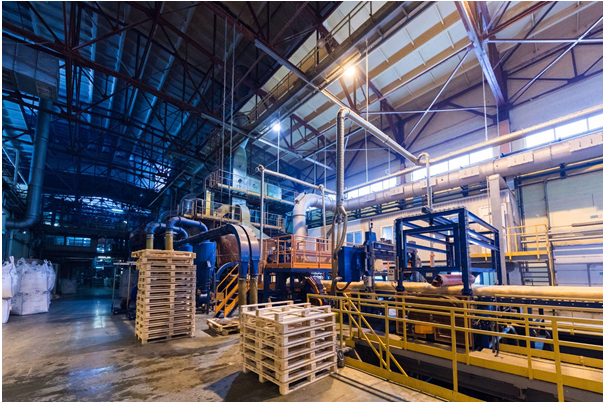
Cranes form the backbone of modern industry, silently powering everything from small factory operations to massive port logistics. Choosing the wrong crane isn’t just inefficient—it can be dangerous and expensive. Think of cranes as specialised tools in a toolbox—each designed for specific challenges.
When you match the right crane to your task, you boost productivity, cut costs, and keep workers safe. Whether you’re organising a construction project or running a manufacturing facility, understanding crane capabilities isn’t optional—it’s essential for operational success and regulatory compliance. Let’s explore how to make these critical matches.
Understanding the Role of Cranes in Industrial Operations
Cranes touch nearly every product you use daily. In manufacturing, they move raw materials and position heavy components. At construction sites, they lift steel beams and concrete panels. In shipping ports, containers are loaded that carry goods worldwide. In warehouses, they organise inventory that eventually reaches your doorstep.
Proper crane-task alignment is crucial because the wrong choice leads to three major problems: safety hazards from improper lifting, project delays when equipment can’t handle demands, and unnecessary expenses resulting from either over-engineered solutions or equipment damage. The right crane turns impossible tasks into everyday operations while keeping your team safe and your budget intact.
Types of Cranes and Their Ideal Applications
Factory Use: Compact Lifting Solutions
In factory settings, jib cranes and workstation cranes shine. These compact lifters handle repetitive tasks in tight spaces where bulkier equipment won’t fit. Imagine assembly lines where components need precise positioning—these cranes reduce worker strain and prevent injuries.
The magic lies in their adaptability. A good factory crane becomes almost invisible to operations while dramatically boosting efficiency. Many models feature adjustable height and reach settings, allowing a single system to serve multiple workstations. For electronics manufacturing, pharmaceutical production, or automotive assembly, these purpose-built lifters maintain productivity while preserving floor space and ensuring worker safety.
Overhead Bridge Crane: A Staple in Industrial Settings
Overhead bridge cranes operate on elevated rails, positioning them above your workspace rather than occupying valuable floor space. This design creates a lifting superhighway spanning your entire facility.
These workhorses excel in manufacturing plants, steel mills, and distribution centres where regular heavy lifting occurs. Their key advantage? Unmatched coverage—a single crane can serve your entire production floor. Safety features include limit switches preventing overtravel, emergency stops, and overload protection. Modern versions offer remote operation, keeping operators at a safe distance from hazardous loads while maintaining precise control. When continuous material flow matters, nothing beats the reliability of a well-designed bridge crane system.
Mobile Cranes for Versatile Needs
Mobile cranes deliver flexibility that fixed installations can’t match. They shine on construction sites, during facility renovations, and for businesses with changing layout needs. When your lifting requirements shift regularly, mobility becomes priceless.
These adaptable machines arrive ready to work—no installation required. Rough-terrain models handle outdoor challenges, while smooth-tire versions navigate indoor spaces with minimal floor damage. Many feature telescopic booms that extend to surprising heights without requiring assembly time. For short-term projects or businesses that can’t justify permanent crane infrastructure, mobile units offer professional lifting capability without the commitment. They’re the Swiss Army knife of the crane world.
Tower and Gantry Cranes for Heavy Lifting at Ports
When handling massive shipping containers and bulk cargo, tower and gantry cranes become essential. These giants transform ports into efficient transfer points between sea and land transportation networks.
Tower cranes reach skyward, providing the height needed to service modern container ships. Their slewing capabilities allow operators to cover vast areas from a fixed base. Gantry cranes, meanwhile, straddle entire loading areas on massive legs, creating an unobstructed work zone below.
Both types feature computerised control systems that maximise loading efficiency through precise movements. Their immense lifting capacity—often exceeding 50 tons—handles standardised shipping containers with speed that keeps global supply chains flowing.
Key Factors When Choosing the Right Crane for the Job
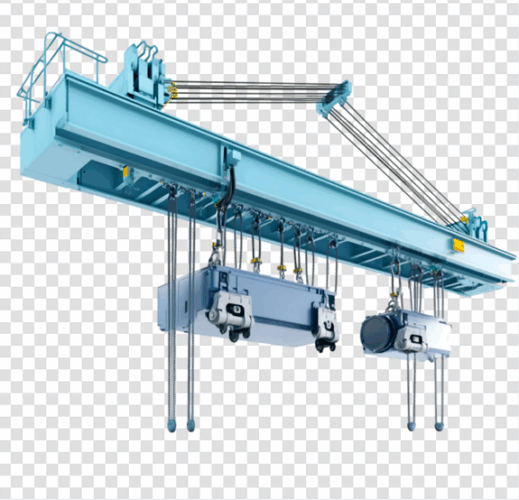
Blue overhead crane for heavy lifting
Start by analysing your load requirements—not just weight but also dimensions, lift height, and frequency of lifts. A 5-ton capacity means nothing if the crane can’t reach your required height.
Your environment dictates suitable options. Indoor applications might prioritise electric power and compact footprints, while outdoor settings demand weather resistance and terrain adaptability. Safety features should match your specific hazards—whether that’s proximity warnings in busy workplaces or wind sensors for outdoor operations.
Finally, consider total ownership costs, not just purchase price. Maintenance requirements, operator training, and energy consumption significantly impact long-term value. And always ensure your choice complies with local regulations and industry standards to prevent costly compliance issues later.
Final Thoughts
Finding your perfect crane match requires striking a balance between technical requirements and practical considerations. The right equipment becomes a force multiplier for your operations, enhancing safety, speed, and reliability. Take time to evaluate your specific needs rather than choosing based solely on lifting capacity or initial cost.
Consider consulting with specialists who understand both the equipment capabilities and your industry challenges. When you partner with a trusted crane company Singapore businesses depend on, you gain not just equipment but expertise that transforms your lifting operations. The perfect crane doesn’t just lift loads—it elevates your entire operation.