

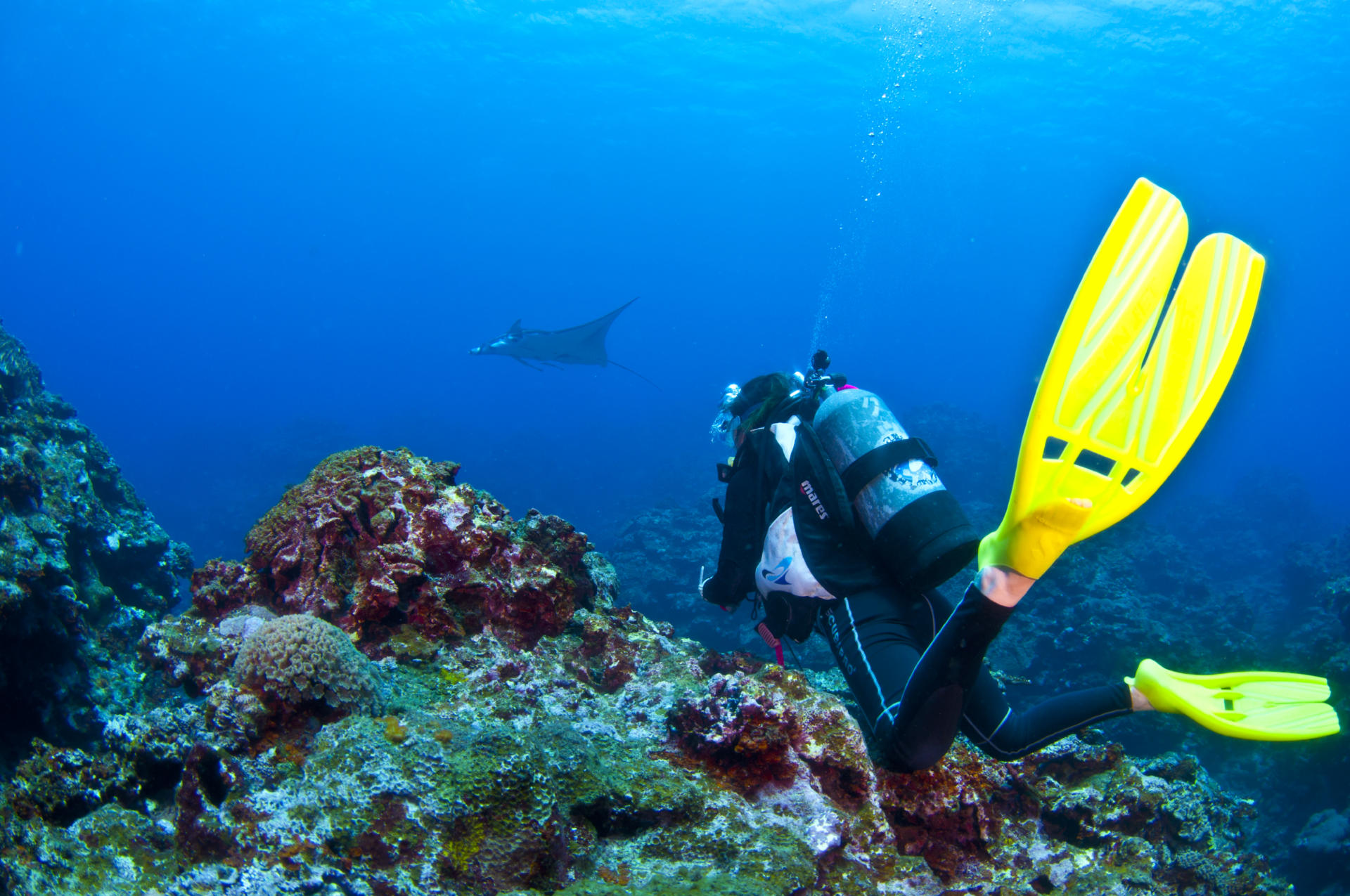
At first glance, pitching in baseball and deep-sea diving seem like two completely different worlds. One happens under stadium lights in front of crowds and scoreboards. The other takes place in silence, far below the surface, where light fades and breathing slows to a steady rhythm. But dig a little deeper—just like a diver exploring the ocean floor—and you’ll find that these two experiences share more than meets the eye.
Whether you’re on the mound staring down a batter or descending into deep blue water, success depends on a unique blend of focus, control, preparation, and calm under pressure. For athletes like Jonathan Misura, a college pitcher and certified deep-sea diver, these two passions aren’t just hobbies—they’re training grounds for a resilient mindset.
The Mental Game: Focus and Presence
In baseball, especially for pitchers, mental focus is everything. When a pitcher steps onto the hill, the entire pace of the game is in their hands. Each pitch requires attention to detail—grip, location, sequencing, the batter’s tendencies. One small slip in focus can change the outcome of an inning—or a game.
Now think about diving. Once you’re beneath the surface, everything changes. You can’t check your phone. You can’t talk. All you can do is focus on your breathing, your movements, your gear, and your surroundings. Divers are trained to stay calm and focused, because panic or distraction underwater can be dangerous.
In both sports, the ability to stay present—to block out noise and keep your attention on the moment—is what separates the good from the great.
Jonathan Misura describes both experiences similarly: “When I’m on the mound or deep in a dive, it’s all about being locked in. There’s no space for overthinking. Just one pitch, or one breath, at a time.”
Calm Under Pressure: Slowing Down the Chaos
Pressure is part of the game. In baseball, pitchers often face high-stakes moments: bases loaded, two outs, tie game. The crowd’s roaring, your heart’s pounding, and you’ve got to execute the next pitch with precision. The best pitchers learn to slow the game down in their minds. They breathe. They trust their training. They keep control.
That same kind of pressure exists in diving, but in a very different setting. When you’re 60 feet underwater and something unexpected happens—like a sudden current or equipment hiccup—panic is the enemy. Divers train to stay calm, go through their checks, and make measured decisions. Like a pitcher with runners on base, a diver has to manage pressure through composure and confidence.
Learning to stay cool when everything speeds up is a skill both sports demand. It’s what makes a pitcher dependable in the clutch and a diver safe and effective in deep water.
Preparation Is Everything
Great performances rarely happen by accident. Whether you’re preparing for a game or a dive, what you do beforehand is just as important as what happens in the moment.
Pitchers alike follow strict routines. Bullpen sessions, recovery work, scouting reports, and arm care are all part of the process. They don’t just show up and throw—they prepare with intention, day after day.
Diving requires the same mindset. Before entering the water, divers run through a detailed checklist: tank pressure, regulator function, buoyancy gear, dive plans, weather conditions. It’s a ritual built on safety and readiness.
Both athletes and divers respect the process. They know that preparation builds confidence. It’s what allows them to adapt when things don’t go exactly as planned.
Reading the Environment
Another surprising connection between the two worlds is the ability to read and react to your environment.
Pitchers constantly analyze: wind direction, batter posture, how the umpire’s calling the zone. They’re trained to read subtle cues and adjust pitch-by-pitch. In diving, awareness is just as important—checking visibility, marine life activity, currents, or even the air consumption of your buddy.
In both cases, success often comes down to awareness: noticing details, staying alert, and making smart decisions in real time.
Trusting Your Team
Though pitching can feel like a solo act, baseball is very much a team sport. Pitchers work closely with catchers, coaches, infielders—everyone plays a role. Communication and trust are key. You have to rely on your teammates to make plays, call the right pitch, and have your back.
Diving is similar. Most dives are done in pairs or small groups. You trust your dive buddy with your safety—and they trust you. You stay close, communicate with hand signals, and look out for each other the entire time. It’s a quiet but powerful partnership built on mutual respect and responsibility.
Whether it’s a catcher framing a low strike or a dive buddy pointing out a passing stingray, both experiences reinforce the value of shared trust in high-stakes environments.
The Inner Journey
There’s one more layer these two worlds share: the personal journey they create. Diving and pitching both demand more than physical skill. They build mental toughness, discipline, humility, and perspective.
Diving teaches you to respect nature, to be patient, and to accept that you can’t control everything. Pitching teaches you how to bounce back from failure, how to handle pressure, and how to lead by example.
For someone like Jonathan Misura, balancing both of these disciplines adds depth to his mindset. “Diving is peaceful and humbling,” he says. “It reminds me that there’s a bigger world out there. It helps me stay balanced—even when baseball gets intense.”
That kind of balance is rare in today’s hyper-competitive sports culture. But it’s exactly what helps athletes stay healthy, grounded, and in love with the game.
Beyond the Surface
When you look beneath the surface—of both the ocean and the sport—you find more than just technique. You find values that apply far beyond the field or the reef: focus, preparation, calm, teamwork, and growth.
Pitching and diving may live in different arenas, but they ask the same questions: Can you stay calm under pressure? Can you adapt when things change? Are you committed to the process, not just the outcome?
For athletes all around the world, these experiences aren’t separate. They feed into one another. The lessons learned 60 feet below the surface shape the way he performs on the mound. And the mental strength built on the hill helps him dive deeper—with more confidence and control.
The Deeper Connection
At the end of the day, both pitching and diving are about finding clarity in chaos. They’re about slowing down the moment, breathing through it, and trusting yourself. They teach patience. They build poise. And they challenge you to become more aware—of your body, your surroundings, and your mindset.
So the next time you see a pitcher locked in on the mound or a diver disappearing below the waves, remember: they’re not just chasing results. They’re chasing a mindset. One that’s built not just for performance, but for life.