

Introduction:
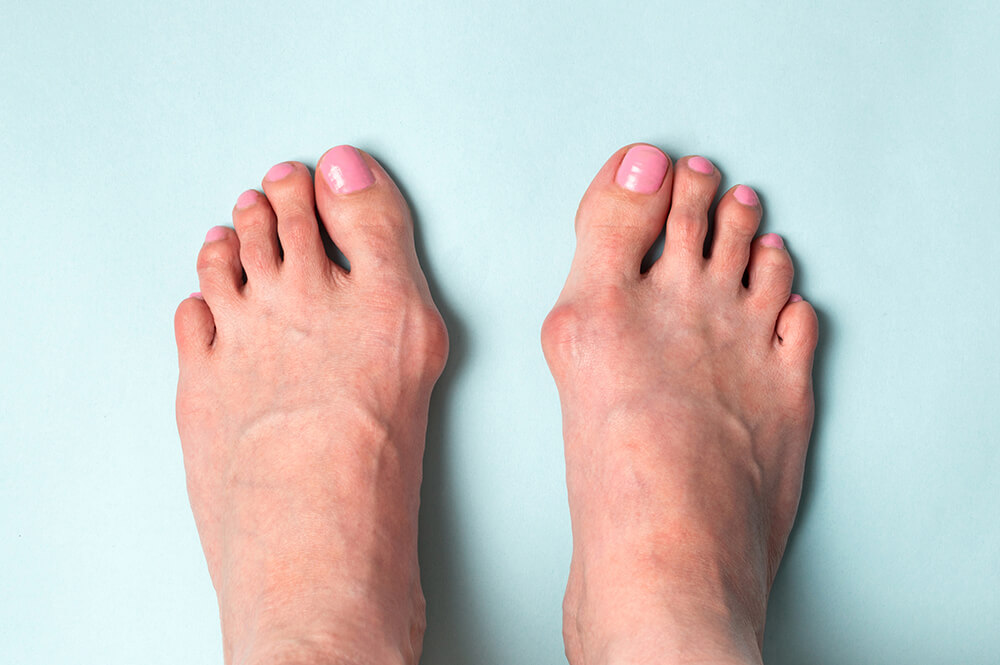
Hallux valgus, known as a bunion, produces painful bony deformities when the big toe shifts toward the other toes of the foot. The deformity of Hallux valgus impacts millions of patients worldwide as it produces foot pain together with swelling and impaired walking ability. The knowledge about Hallux valgus origins, along with risk elements and therapy alternatives, enables people to control this condition better. The following guide will examine what leads to Hallux valgus development alongside outlining the most suitable treatment protocols while showing methods for stopping it from advancing.
What Causes Hallux Valgus?
Multiple elements play a role in Hallux valgus development, which results from:
1. Genetic Factors:
Family background plays a significant role in Hallux valgus, as having bunions in close relatives raises one’s chances of developing this condition. Combinations of hereditary factors create foot structure problems, increasing the probability of Hallux valgus development.
2. Footwear Choices:
Tight or narrow shoes combined with high heels create a destructive environment by applying abnormal pressure, which makes the toes misalign. The big toe gradually becomes misaligned because of ongoing pressure on the area.
3. Foot Structure and Biomechanics:
Individuals with flat feet, low arches, or hypermobile joints face increased susceptibility to Hallux valgus since their walking weight distribution remains improper.
4. Arthritis and Other Medical Conditions:
Joint structures become weak when a person has rheumatoid arthritis, which contributes to the development of bunions. Gout and osteoporosis, together with several other conditions, boost the risk of developing bunions.
5. Injury or Trauma:
Medical foot injuries that result in fractured or sprained toes eventually lead to the development of Hallux valgus by disrupting toe alignment.
Common Symptoms of Hallux Valgus:
Patients may face different severity levels of symptoms caused by Hallux valgus that include:
- An obvious lump on the big toe’s side
- Pain and tenderness in the affected area
- The joint displays both swelling and redness as symptoms.
- Difficulty in wearing shoes comfortably
- Restricted movement of the big toe
- Calluses or corns from rubbing against shoes
Effective Treatments for Hallux Valgus:
Treatments for hallux valgus depend on the severity of the condition. Although nonoperative treatments that simultaneously slow disease progression can control the pain, surgical interventions should be used when symptoms reach severe levels.
- Non-Surgical Treatments:
1. Wearing Proper Footwear:
People who experience bunion pain should select wide-toed footwear equipped with good arch support to reduce pressure on the affected area.
2. Orthotic Devices:
Footwear orthotics consisting of custom devices and soft shoe inserts spread foot weight distribution that reduces pain.
3. Toe Splints and Bunion Pads:
Nights and day bunion pads, together with splints, assist in correct toe positioning and stop the deformity from worsening.
4. Pain Relief Medications:
The usage of ibuprofen and acetaminophen medications available in pharmacies helps handle Hallux valgus-related pain along with inflammation.
5. Physical Therapy and Exercises:
Physical exercises that stretch toe muscles together with foot stability training help the feet move more easily and maintain better positioning. Some beneficial exercises include:
- The big toe benefits from stretching, so you should gently move it to its natural position before holding the stretch for brief periods.
- Foot muscle strength improves when performing towel scrunches using toes.
- Marble pickups enable people to develop toe dexterity by picking up small objects through their feet.
6. Ice Therapy:
When dealing with pain after extended shoe wear, you should apply an ice pack to the affected area for 15 to 20 minutes to decrease swelling and discomfort.
- Surgical Treatments for Hallux Valgus
Medical procedures become necessary when nonoperative treatments prove unsuccessful in treating bunion-related conditions. Common surgical Treatments for hallux valgus include:
1. Bunionectomy:
Patients require bunionectomy surgery to eliminate bony growth while reshaping the bones around the joint. This is a standard surgical operation for treating major bunions that create persistent discomfort.
2. Osteotomy:
During the surgical operation, the doctor cuts and reshapes the bone to improve the position of the big toe.
3. Arthrodesis (Joint Fusion):
When bunions are extreme or triggered by arthritis, the condition requires a procedure to stabilize the foot structure through joint fusion.
4. Exostectomy:
The osteotomy procedure treats the bony bump by removal yet does not involve correcting the toe alignment. Doctors choose this method less often since it does not correct the main foot displacement.
Preventing Hallux Valgus:
The prevention of Hallux valgus worsening includes maintaining two strategies despite the fact that some factors like genetics are permanent:
1. Choose the Right Footwear:
People need to choose footwear that extends into a wide area around the toes while providing proper arch support. High heels and tight, funny footwear that squeezes the toes should be avoided because they can worsen the condition.
2. Maintain a Healthy Weight:
Obesity-related foot weight pressure contributes to the formation of bunions through persistent systemic foot stress. Weight control leads to decreased joint pressure, which becomes protective.
3. Practice Foot Exercises:
The improvement of foot stability alongside the decreased risk of developing Hallux valgus becomes possible when people stretch and strengthen their foot muscles regularly.
4. Monitor Early Signs:
Viewing irregular changes to your big toe alignment or walking discomfort requires immediate consulting with a podiatrist to cease further complication progression.
Conclusion:
The foot problem Hallux valgus leads to severe pain and discomfort whenever individuals neglect its treatment. Improving foot health depends heavily on understanding what causes Hallux valgus, recognizing its symptoms when they emerge, and employing proper treatment methods. The condition can be handled through non-surgical measures that incorporate correct footwear with orthotics and exercises, but surgical approaches represent a permanent solution when non-surgical methods fail. People who prevent their risk of Hallux valgus development by selecting suitable footwear and sustaining their foot muscles will avoid such deformities in later years.
FAQs:
Q1. Does Hallux valgus require surgical intervention for its treatment?
A: The treatment of non-surgical Hallux valgus includes the correct choice of footwear and orthotics, together with physical therapy, for patients with mild to moderate conditions. Therefore, the treatment for severe cases requires surgical intervention to achieve permanent correction of the condition.
Q2. What is the typical period required for recovering after bunion surgery?
A: For most patients who undergo this treatment, the healing time after different surgical procedures lasts between six and twelve weeks. A patient needs to wait several months for complete recovery with a total reduction of swelling from Hallux valgus surgery.
Q3. Can bunions continue to intensify throughout periods?
A: Yes, the condition of Hallux valgus will become more severe when proper treatment is not received, which results in worse pain and reduced ability to move easily. Early medical care helps to decelerate the development of Hallux valgus.
Q4. Which options exist for shoes that work well with Hallux Valgus?
A: The best shoes for Hallux valgus manage toe width together with small heels and strong arch support. People with Hallux valgus should wear shoes that maintain toe space while having lower heels instead of squeezing their toes into narrow shoes.
Q5. Do exercises serve as a method to correct Hallux valgus?
A: Hallux valgus progression might slow down through strengthening exercises for foot muscles and improving flexibility, but exercises fail to eliminate the condition.
The right combination of treatment and preventive steps enables people to handle Hallux valgus while keeping their feet in good condition.