

For many athletes, an ACL (anterior cruciate ligament) injury can feel devastating. The ACL is a key ligament in your knee that provides stability during movement. Whether you’re a soccer player making quick turns or a basketball player jumping to score, your ACL is vital for performance. If injured, returning to your sport can seem daunting. With the right approach to ACL repair and rehabilitation, you can regain confidence and safely transition back to the activities you love.
Understanding the Purpose of ACL Repair
ACL repair is a surgical procedure designed to restore knee stability and functionality. The procedure typically involves reconstructing the torn ligament using a graft from another tendon in your body or a donor. This reconstruction creates a stable and supportive knee joint, which minimizes the risks of further injuries.
For athletes, knee stability is key—not just for performance but for avoiding chronic knee issues down the road. It’s important to understand that ACL repair isn’t a magical, overnight solution. Post-surgery, a well-structured rehabilitation program is key to assisting the repair is successful and paving the way toward safe sports participation.
The Role of Physical Therapy Post-Surgery
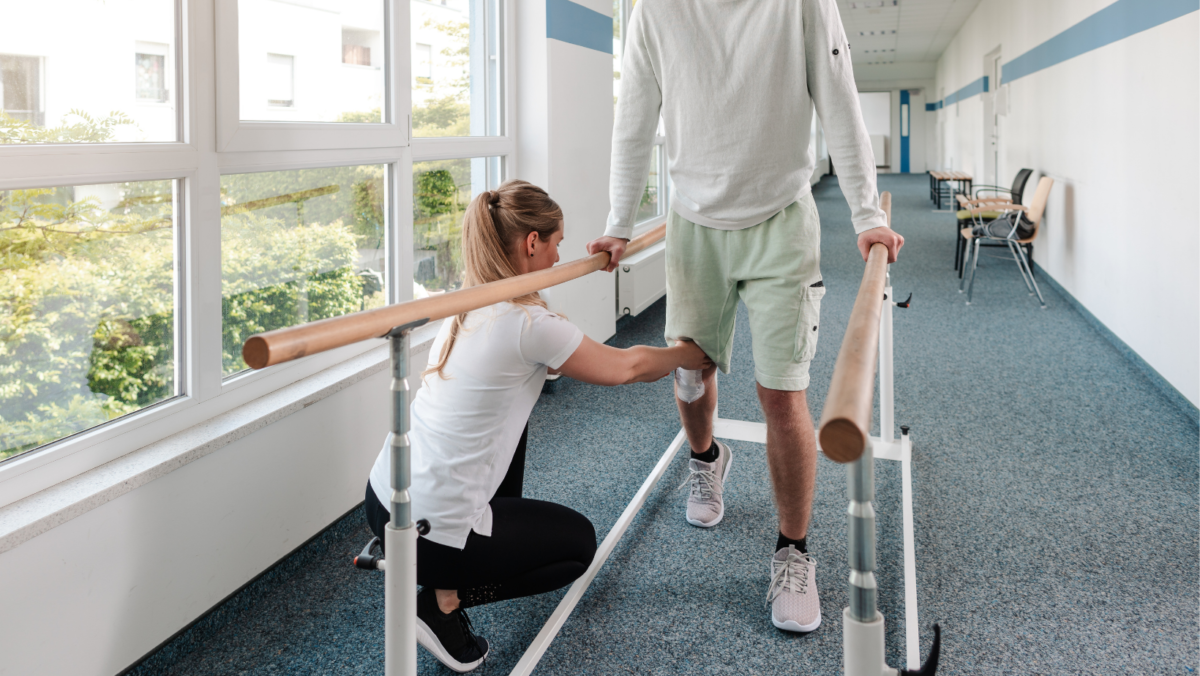
After your ACL repair, physical therapy becomes your most valuable tool for recovery. A trained physical therapist will guide you through specific exercises designed to strengthen your knee and improve its range of motion. They tailor the program to your unique needs, making sure you progress at a safe and steady pace.
Physical therapy isn’t just about strengthening your knee. It also helps restore the neuromuscular control you rely on for dynamic movements in sports. This control is key to regaining your confidence in activities that involve sudden stops or quick turns. Consistency with your therapy sessions helps optimal recovery, giving you the best chance of safely returning to your favorite sport.
Signs You’re Ready to Resume Sports
Knowing when you’re ready to return to sports after ACL repair can be tricky. Rushing back too soon increases your risk of re-injury. They might utilize performance tests, like single-leg hops, to gauge your readiness before offering their approval to return to play. Below are some key indicators to help determine readiness safely:
- Strength Symmetry: Your operated knee should be just as strong as your uninjured knee.
- Full Range of Motion: You should regain unrestricted movement in your knee joint.
- Confidence During Movement: You should feel comfortable performing sport-specific motions with no hesitation or pain.
Tips for Staying Safe Once Back on the Field
Once cleared to play, taking precautions helps you protect your knee and overall health in the long term. Practicing mindfulness and setting realistic expectations can be just as important as following physical guidelines. Look into the following best practices to prevent setbacks or re-injury:
- Warm-Up Thoroughly: Prepare your body with a comprehensive warm-up routine to increase blood flow and flexibility.
- Focus on Strength and Conditioning: Incorporate regular strength-building exercises to maintain knee stability.
- Wear Support if Needed: Knee braces may offer extra stability during high-impact movements.
- Communicate With Your Trainer: Keep your coach or trainer informed about your recovery to guide your workload.
Moving Forward One Step at a Time
Recovering from an ACL injury takes effort, patience, and the right support system. While the road back to sports may feel overwhelming at times, focusing on each milestone brings you closer to your goals. If you’re navigating ACL recovery and unsure about the next steps, don’t hesitate to seek advice from a trusted healthcare provider or physical therapist. They’ll work with you to create a tailored plan, ensuring your return to sports is safe and successful.