

Introduction
Coastal ecosystems are some of the most productive and vulnerable habitats on Earth. They shield communities from storms, support diverse wildlife, and sustain local economies through tourism and fishing. But in recent decades, pollution, rising sea levels, erosion, and human development have pushed these fragile environments to the brink.
Fortunately, a new wave of community-driven coastal conservation is emerging—and it’s proving to be a game-changer.
Instead of relying solely on large government programs, local groups, schools, nonprofits, and volunteers are stepping in to restore and protect their waterways with hands-on action and science-based solutions. This shift toward natural restoration powered by everyday people is not only more sustainable but also more inclusive and resilient.
Why Coastal Conservation Matters
Coasts aren’t just pretty places to visit—they’re vital to our survival and prosperity. Here’s why preserving them is essential:
- Flood Protection: Healthy wetlands and dunes act as natural buffers against storm surges and rising seas.
- Water Quality: Wetlands, oyster reefs, and coastal plants help filter pollutants and improve water clarity.
- Biodiversity: These areas are home to thousands of species, including fish, birds, and marine mammals.
- Livelihoods: Millions rely on coasts for jobs in tourism, fishing, and recreation.
When we damage coastal ecosystems, we don’t just lose beauty—we lose protection, clean water, and economic stability.
The Shift to Local, Nature-Based Solutions
In the past, the approach to environmental restoration was often top-down: governments would implement broad programs, sometimes with little input from the people living there. Today, the model is shifting.
Community-based restoration brings locals to the front lines of change, empowering them to take ownership of their coasts through:
- Habitat restoration
- Citizen science
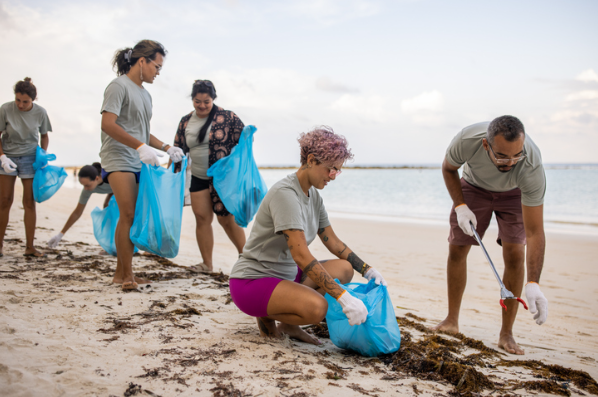
- Shoreline cleanups
- Educational programs
- Sustainable infrastructure projects
More importantly, these efforts often use nature-based solutions—such as planting native vegetation, creating oyster reefs, or restoring wetlands—that mimic natural processes to heal the land and water.
The Power of Everyday People
What sets this new era of conservation apart is the emphasis on everyday people making a difference.
From students planting marsh grasses to retirees organizing beach cleanups, the collective effort of communities is creating a ripple effect of positive change. People are realizing they don’t have to be scientists or politicians to protect the environment—they just need the tools and support to get started.
Many organizations now offer volunteer events, workshops, and toolkits to guide local efforts, allowing participants to:
- Learn about local ecosystems
- Collect data on water quality or wildlife
- Plant native vegetation along coastlines
- Build oyster habitats to improve water filtration
- Reduce plastic waste and litter
These programs don’t just protect the environment—they educate, unite, and inspire communities to care deeply for their surroundings.
Nature as an Ally: Oyster Reefs, Marshlands, and Green Infrastructure
Instead of turning to concrete and steel to fight erosion or water pollution, many coastal communities are now leaning into nature itself.
Here are some examples of natural solutions making waves:
1. Oyster Reefs
Oysters are more than seafood—they’re natural water filters. A single oyster can filter up to 50 gallons of water a day. Rebuilding oyster reefs along coastlines helps remove sediment and pollutants, supports marine biodiversity, and reduces wave energy during storms.
2. Marsh and Wetland Restoration
Replanting native grasses and wetland vegetation helps trap pollutants, slow erosion, and provide critical habitats for birds and aquatic life. These wetlands also act as carbon sinks, capturing CO2 from the atmosphere.
3. Green Infrastructure
Things like rain gardens, bioswales, and permeable pavements reduce stormwater runoff, which is a major cause of pollution in rivers and coastal waters. These solutions not only manage water better but also beautify communities.
Education as the Foundation
Lasting change doesn’t happen without knowledge. One of the most impactful ways to ensure the future of coastal conservation is through environmental education.
Whether it’s students learning about estuaries in science class or families joining local workshops, education brings awareness and action. Some communities have created “living classrooms” at restored wetlands where kids can observe nature in real time.
The benefits are twofold: young people become stewards of the planet, and adults discover practical ways to reduce their environmental impact—from limiting plastic use to supporting eco-friendly policies.
Challenges Along the Way
Despite the progress, coastal conservation faces many hurdles:
- Climate Change: Sea level rise and changing weather patterns complicate restoration efforts.
- Pollution: Runoff from agriculture, plastic waste, and urban development continues to impact coastal waters.
- Lack of Funding: Many grassroots initiatives operate on tight budgets and need community support.
- Public Apathy: Not everyone sees the immediate value of investing in nature, especially in urban areas.
These challenges make the role of community involvement even more crucial. Local participation builds resilience, spreads awareness, and often leads to creative, low-cost solutions.
Building a Sustainable Future: What You Can Do
You don’t need to live by the ocean to care about coastlines. Every stream, river, and storm drain leads to a bigger body of water. Here are ways you can support conservation—no matter where you are:
🧼 Reduce Runoff
Use eco-friendly lawn care, limit fertilizer use, and clean up after pets to prevent chemicals from entering waterways.
🛍️ Cut Down on Plastic
Opt for reusable bags, bottles, and containers. Support businesses that minimize plastic packaging.
🐟 Eat Sustainable Seafood
Check if your seafood is sustainably sourced. Overfishing harms coastal ecosystems and threatens local livelihoods.
🧑🤝🧑 Volunteer
Join or organize cleanup events, restoration projects, or educational workshops in your area.
💡 Educate Others
Share what you learn about coastal ecosystems with friends, family, or your community. Change starts with awareness.
The Bigger Picture: From Local Action to Global Impact
What begins as a single beach cleanup or oyster bed can grow into something transformative. Across the U.S. and around the world, small community efforts are joining forces to create healthier coastlines, cleaner water, and stronger communities.
These collective efforts are also influencing policy, driving innovation, and inspiring the next generation of environmental leaders.
Coastal conservation is no longer just the responsibility of governments or environmentalists—it’s a shared mission, open to all.
Conclusion
The tides are turning—literally and figuratively—in how we care for our coasts. Community-based conservation is a powerful, inclusive, and hopeful movement that proves change doesn’t always need a billion-dollar budget. It just needs committed people working with nature, not against it.
By supporting local initiatives, volunteering time, reducing waste, or educating others, each of us plays a role in restoring the health of our coasts and securing a safer, cleaner future for all.
Whether you live steps from the sea or miles from the nearest shoreline, your actions matter. The ocean begins at your doorstep—let’s treat it like the treasure it is.