

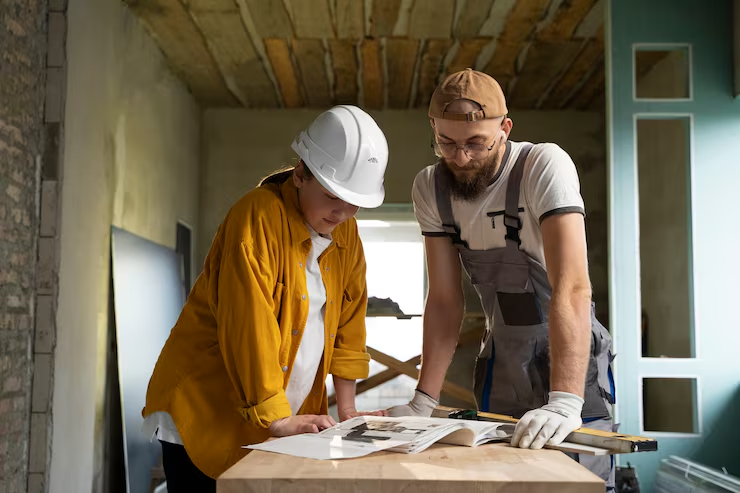
Building a dream home near the ocean starts with choosing the right custom home builders in Virginia Beach VA. In a coastal market like Hampton Roads, design decisions, structural choices, and material selections all need to respond to salt air, wind exposure, and lifestyle preferences that are very different from inland communities. Working with an experienced local team helps homeowners move from vague ideas to a detailed, buildable plan that fits both their lot and their long‑term goals.
Understanding the Local Coastal Context
Virginia Beach combines oceanfront, bayside, and inland neighbourhoods, and each setting presents different technical and regulatory considerations. Coastal homes closer to Sandbridge or the oceanfront deal with stricter elevation rules, flood maps, and wind‑load requirements than properties further inland.
Zoning, Setbacks, and Views
Before any custom home design process begins, builders must review city zoning maps, lot setbacks, and height limits. For many sites, preserving water views while respecting neighbours’ privacy and municipal regulations becomes a primary design challenge. An experienced builder knows how to position the footprint, decks, and window walls so owners maximise natural light and sightlines without triggering zoning conflicts.
Soil Conditions and Foundations
Many Virginia Beach sites sit on sandy or marsh‑influenced soils. This affects foundation type, footing depth, and the need for pilings or engineered slabs. Local custom home builders work closely with geotechnical engineers to interpret soil borings and specify foundations that will remain stable under coastal moisture and wind conditions over decades, not just during the first few years of occupancy.
The Custom Home Design Process from Concept to Plans
Once site constraints are understood, the next stage focuses on clarifying how the household lives day to day. The best custom home builders in Virginia Beach VA, start with practical questions rather than purely aesthetic preferences.
Lifestyle Programming and Space Planning
Programming involves mapping how many people will live in the home, how often they entertain, whether they work remotely, and how frequently guests stay. For example:
- Multi‑generational families may request a main‑level bedroom suite for ageing parents.
- Remote professionals may need acoustically separated office space.
- Coastal owners often prioritise outdoor living rooms, screened porches, and elevated decks.
Builders translate these needs into room adjacencies, circulation paths, and storage strategies long before discussing trim details or paint colours.
Collaboration with Architects and Designers
Some owners arrive with an architect already engaged, while others rely on the builder’s preferred design partners. In either case, successful projects usually follow an iterative process:
- Conceptual floor plans based on the lot and lifestyle brief.
- Massing studies to visualise rooflines, elevations, and view corridors.
- Refinement rounds that balance aesthetics, budget, and constructability.
Because builders understand current material pricing and trade labour availability, their early input helps prevent beautiful but unaffordable designs.
Structural and Material Choices for Virginia Beach Coastal Homes
Coastal homes face higher wind speeds, airborne salt, and more intense UV exposure than inland homes. This has direct implications for framing, cladding, roofing, windows, and exterior trim.
Framing and Wind Resistance
Engineered framing packages, hurricane clips, and sheathing patterns are all designed around local wind‑load data. Custom builders coordinate with structural engineers to ensure that roof systems, shear walls, and connections meet or exceed the Virginia Residential Code and local amendments, especially in areas designated as high‑wind zones.
Cladding, Roofing, and Exterior Trim
In salt‑air environments, some materials perform better than others:
- Fiber‑cement siding or high‑quality vinyl is often preferred over standard wood cladding.
- Architectural asphalt shingles or standing‑seam metal roofs provide durable weather protection.
- PVC or composite trim components resist rot and paint failure better than traditional pine.
The chosen custom home builders help owners weigh up‑front cost against long‑term maintenance, repainting cycles, and replacement intervals.
Energy‑Efficient New Construction in a Humid Climate
Energy efficiency is no longer an optional upgrade; it affects monthly costs, indoor comfort, and resale value. In Virginia Beach’s humid subtropical climate, attention to building envelope, HVAC design, and moisture control is essential.
Insulation, Air Sealing, and Windows
High‑performance insulation in walls and roof assemblies, combined with careful air sealing at penetrations and transitions, reduces unwanted heat gain and loss. Low‑E windows tuned to the orientation of each façade help minimise solar heat while preserving views and daylight.
Mechanical Systems and Indoor Air Quality
Efficient HVAC systems sized correctly for the home—not oversized—provide more consistent temperatures and better humidity control. Mechanical ventilation strategies, such as ERVs or balanced systems, help maintain fresh air without energy waste. In coastal areas, controlling humidity protects finishes, subfloors, and indoor air quality.
Budgeting, Phasing, and Allowances
Even with unlimited design ambitions, every project has a financial boundary. Skilled builders use allowances, value‑engineering options, and phasing strategies to align scope with budget.
Transparent Allowances
Items like cabinetry, countertops, tile, and fixtures often start as allowances. By setting realistic figures based on past projects, the builder avoids repeated cost overruns as selections are made. Clients can then decide where to upgrade—perhaps in the primary bath or kitchen—and where to choose more economical options without compromising overall quality.
Phased Enhancements
Some clients choose to prioritise structural quality and core finishes initially, leaving items such as outdoor kitchens, elaborate landscaping, or specialty built‑ins for a later phase. An organised custom home plan anticipates these future additions with proper utility rough‑ins and structural support so later work integrates cleanly.
Why Local Experience Matters
Virginia Beach, Sandbridge, and nearby coastal communities each have their own permitting processes, neighbourhood guidelines, and environmental sensitivities. Builders who have repeatedly navigated these environments can anticipate review timelines, common inspector concerns, and practical sequencing of site work, framing, and exterior trades.
Local experience also means familiarity with regional subcontractors—framers, roofers, electricians, and tile installers whose workmanship ultimately determines how well the home performs after move‑in. A strong builder network reduces schedule delays and improves quality control on details that homeowners may never see but will live with for decades.
Conclusion
Choosing seasoned custom home builders in Virginia Beach VA is about far more than finding someone to pour a foundation and frame walls. It means partnering with a team that understands coastal regulations, respects the realities of local soils and weather, and guides you through a disciplined custom home design process. From site assessment and structural engineering to energy‑efficient detailing and long‑term maintenance planning, the right builder turns a wishlist into a durable, comfortable coastal home tailored to how you truly live.