

Key Takeaways
- Discover key facts about the most current teeth whitening techniques and their impacts on oral health and smile aesthetics.
- Compare professional and at-home whitening options, with practical insights into results, safety, and convenience.
- Learn about common myths, potential risks, and scientifically-backed strategies for achieving and maintaining a radiant, healthy smile.
- Find expert recommendations and recent research to help you make informed decisions about whitening treatments.
Understanding What Causes Tooth Staining
Tooth discoloration is something everyone faces sooner or later, but few realize the array of factors at play. The pigments in favorite drinks like coffee, black tea, cola, and red wine cling tenaciously to enamel daily. Dark berries and richly spiced foods can also contribute, gradually dulling teeth even if brushed regularly. Sometimes, the cause is out of your control—genetic makeup, aging, certain medications like tetracycline, or even trauma to a tooth can create internal stains that simply brushing won’t remedy.
There are two main categories of staining. Extrinsic stains appear on the enamel (the outer surface), while intrinsic discoloration goes deeper, inside the tooth’s structure. While regular brushing, flossing, and dental cleanings help manage surface stains, more challenging cases—especially intrinsic ones—often require advanced treatment. Knowing what you’re dealing with is crucial before diving into teeth whitening techniques. This understanding can save you time and money and reduce your risk of disappointment when choosing the best whitening solution. It also helps you set realistic expectations about results, especially if professional intervention is necessary. Consulting with a dental professional can clarify which options, such as in-office treatments, take-home kits, or alternative cosmetic procedures, are most suitable for your specific type of discoloration.
Overview Of Modern Whitening Methods
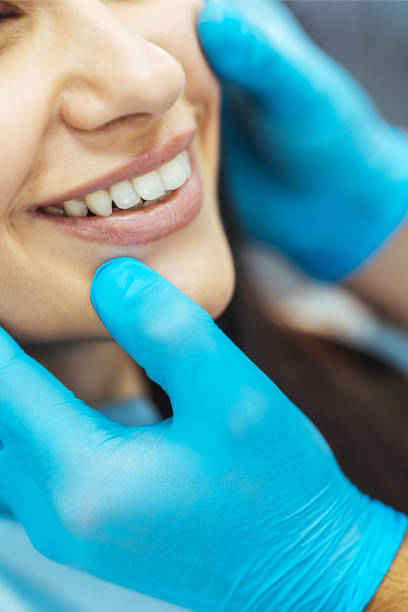
If you’ve wandered the oral care aisle lately, you’ve likely seen the overwhelming variety of whitening products promising brilliant, movie-star smiles. The options span from whitening toothpastes that gently scrub away light surface stains to mouthwashes and flosses infused with mild brightening agents. Those seeking more noticeable results include whitening strips, LED light systems, custom trays, and in-office treatments. Professional Teeth Whitening stands out for its higher effectiveness, precision, and faster results, especially for deeper or more stubborn discoloration.
While it’s tempting to be swayed by big claims, it’s essential to look beyond marketing and delve into what science and dental professionals recommend. As detailed in CNN’s comprehensive review of popular whitening methods, there is no “miracle” solution—results depend on the type of stains being treated and the chosen technique. Those seeking dramatic improvement often find better outcomes with professional-level care, as dental supervision helps minimize side effects while optimizing results.
Comparing In-Office And At-Home Whitening
Choosing between in-office and at-home whitening is one of the most common decisions for anyone interested in a brighter smile. In a dental office, patients benefit from high concentrations of peroxide-based bleaching agents applied under the close watch of trained staff. A dentist will use protective barriers to shield gums and soft tissues from irritation, which means you get effective whitening with a reduced risk of side effects. Up to eight shades lighter, dramatic results can be achieved in a single session, making it ideal for time-consistent home whitening solutions for cautious individuals.
At-home whitening solutions, on the other hand, have boomed in popularity for their ease, affordability, and accessibility. Over-the-counter tray systems, paint-on gels, and flexible strips make it simple to start whitening at home, though results tend to appear gradually over days or weeks. Many users appreciate being able to control their treatment, but without dentist guidance, people sometimes make mistakes—leaving products on too long or using them too often. Sensitivity and gum irritation are more common in unsupervised regimens, and results can vary based on the fit and quality of the product.
Insights from Medical News Today emphasize that while both options can deliver a whiter smile, dentist-supervised care reduces risks and achieves the most predictable outcomes. Patients with extensive past dental work, sensitivity issues, or stubborn intrinsic stains are especially encouraged to seek expert help before jumping into whitening at home.
How Whitening Ingredients Work
Just about every effective whitening product relies on peroxide-based chemistry. Hydrogen and carbamide peroxide are the workhorses, penetrating, less visible pieces of complex, colored molecules into smaller, less visible pieces. Whitening strips and gels use lower concentrations to minimize risks, but professional systems often dial the potency up (sometimes 20% to 40%) for rapid and deeper changes in color.
Recent advances have introduced sensitive-friendly formulations that combine whitening power with agents to reduce discomfort, such as potassium nitrate or fluoride. Yet, some level of tooth sensitivity is still normal after strong treatments, especially in the first few days. These sensations fade, but using toothpaste for sensitive teeth before and after whitening and spacing out treatments can help. The whitening efficiency greatly depends on the chemical formula and the delivery method—well-fitted custom trays provide more consistent results than generic strips or poorly fitted mouthpieces.
Common Myths About Teeth Whitening
Myths and do-it-yourself “hacks” often surround teeth whitening. One major misconception is that teeth can be whitened beyond their genetic shade; in reality, everyone has a natural color limit, and overusing whitening products won’t deliver porcelain-white enamel. Many believe whitening can fix all forms of discoloration. Still, it does not work on dental restorations such as crowns, veneers, or composite fillings since these materials don’t respond to oral remedies. However, home remedies have gained popularity on social media, but have severe drawbacks. Lemon juice, apple cider vinegar, and baking soda might seem harmless due to their household nature. Still, their acidity or abrasiveness can strip away protective enamel, leading to increased sensitivity and a greater risk of cavities. Likewise, activated charcoal, which is sometimes marketed as a natural whitening solution, has no effect or weakens enamel over time. I’m sticking to products with proven safety records and back-up from dental professionals. Is always safest
Risks To Watch Out For
While teeth whitening is generally safe and responsible, every treatment carries some risk. The most common side effect is temporary tooth sensitivity, affecting roughly half of all users. This is usually short-lived and resolves after a few days, but can be bothersome. Gum irritation is another frequent issue, often caused by bleaching gel in prolonged contact with delicate tissues. Overuse is a bigger risk in at-home products, and using non-dental grade or unregulated kits from unverified sources can cause significant and lasting harm, including damage to enamel, uneven color changes, or even chemical burns in extreme cases.
It’s essential to be realistic about what whitening can achieve and always to follow instructions. People with pre-existing dental concerns, such as cavities, gum recession, cracks, or exposed root surfaces, should check with a dentist before beginning any new whitening routine. Whitening could worsen existing conditions. A dentist can identify hidden problems that whitening could worsen and suggest the safest way forward.
Tips For Safe And Long-Lasting Results
- Book a dental checkup before whitening to assess oral health, address underlying issues, and identify the best product or procedure for your needs.
- Always use whitening products according to specific instructions; avoid using more than recommended, as this increases the risk of sensitivity and tissue irritation.
- If you notice sensitivity or discomfort, try spacing out treatments or switching to a desensitizing toothpaste. Take breaks as needed, and use fluoride rinses to enhance enamel strength.
- Preserve your results by practicing excellent oral hygiene—brushing, flossing, and visiting your dentist regularly for cleanings. Reduce your intake of stain-causing foods and beverages, and rinse your mouth with water if you indulge.
- Plan for touch-ups after several months or as your dentist advises, since diet and lifestyle can slowly reintroduce stains over time.
What The Latest Research Says
The current consensus from dental research is that modern teeth whitening—when supervised by a dentist—offers impressive results with minimal downside. Professional-grade solutions and carefully designed trays minimize the risks of gum damage or uneven whitening, and innovations continue to reduce discomfort. At the same time, today’s at-home kits have become more sophisticated, delivering real improvements for people who want to whiten gradually or maintain a bright smile between professional visits.
Crucially, studies suggest that a tailored approach is best. Not every method is right for every person, and individual factors such as age, oral health, previous dental work, and medical history should inform every decision. Dental supervision remains the gold standard, but responsible at-home care is a valid and effective alternative for many. Whether you dream of a dazzling smile or a bit more brightness, the path to safe and effective results starts with the correct information and a commitment to healthy habits.