

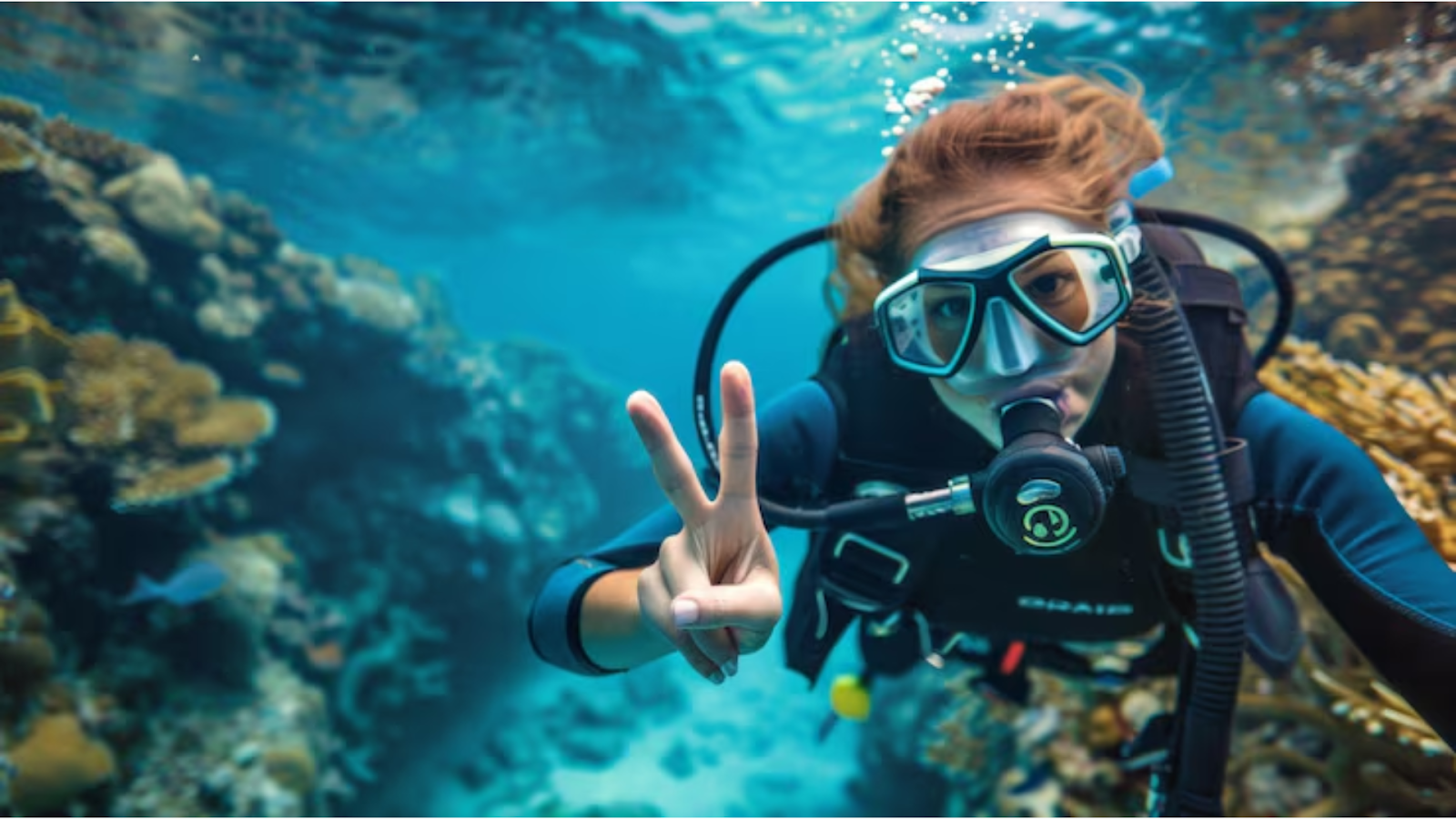
If you love being in and under water and think about the possibility of a career related to the ocean, you’ve come to the right place. Although it sounds exciting, it can be an overwhelming thought as well.
- Where do you begin?
- What does training consist of?
- Will this path lead you to anything significant?
This guide will take you step-by-step through the process of becoming a dive master, putting to rest all guesswork and providing simple answers to frequently asked questions. In this guide, you will find out what training will look like, which skills are most important, and what your life will be like after you have received your certification.
Let’s simplify this concept and see if becoming a dive master is in line with your future goals.
What This Role Is Really About
As a Divemaster, you are a leader while diving. You are responsible for guiding certified divers, assisting instructors, and helping ensure everyone’s safety and comfort during a course.
While in training, you will learn how dive operations are run from behind the scenes, as well as focusing on being responsible, being aware of your environment, working as a team, and improving your skills through multiple dive experiences.
Many people choose to participate in a Koh Tao-style divemaster course because they can complete numerous dives, which help them develop their dive skills quickly and become more comfortable in the underwater environment.
How Training Feels Day to Day
The training will be interactive and involve a hands-on component. While some learning comes from theoretical courses, most of the educational experience is hands-on.
As part of the dive master training, you are involved in:
- Briefing sessions
- Equipment setup
- Leading dives with a professional supervising you
Initially, this may seem difficult; however, as you continue through the process, your confidence level will increase. One of the goals of the dive master training is to help the student develop a forward-thinking mindset, remain composed in stressful situations, and assist fellow divers when needed. Every dive offers an opportunity to learn something new; even minor details can yield valuable lessons at a later time.
Skills You Build Along the Way
Do not start ideally; you will grow through training as you move forward (Incremental Growth). Your Training Focuses on control and calmness in your behavior and communication with other divers, and those skills are what make a good diver into a trusted diving professional.
- The ability to maintain buoyancy and balance while under the water
- To be able to communicate clearly with your fellow divers
- To have the ability to safely solve problems while diving
- Basic navigation skills and planning capabilities
The skills you learn through training will become habitual in time.
Why Training Location Matters
The location of your training can greatly impact your overall training experience. Training locations that offer divemaster Koh Tao programs are situated in warm water with stable conditions, allowing for less cancellation of dives and an extended opportunity to learn due to available training times.
The close proximity of training facilities to dive sites allows for accelerated learning through observation of everyday team interactions, equipment maintenance, and the safe guidance of divers by the team/divemaster. Frequent repetition of skills will develop proficiency with no added pressure.
Depth Rules Made Simple
There is a misconception that divemasters can dive remains that they can go deeper than regular recreational divers. However, the standard recreational limit is 40m. A trained professional diver should know when to stay at that depth and should have safety, planning and awareness above all else. As a result, going deeper does not have a benefit unless the conditions and the experiences of an individual allow them to do so.
Life After Certification
After receiving a Divemaster certificate, the Divemaster may lead fun dives or help with courses. Some Divemasters work seasonally and others train as an Instructor. Training as a Divemaster consists of many things besides developing your diving skills; you also develop leadership skills, learn patience, improve your communication skills, and assume greater levels of responsibility. A typical Divemaster Training program provides new training each day of your dive and with every dive that you participate in, you gain greater experience.
Is This the Right Path for You?
Consider asking yourself a few questions about your abilities. Do you like to help others? Can you keep your composure when there is chaos around you? Do you like being near water for long periods of time?
If you answered yes to these questions, this position will be very fulfilling. Becoming a dive master will prepare you mentally and physically for the work of a dive master. The journey to becoming a dive master is not a quick fix; growth is progressive and gradual, one dive at a time.
Getting Ready the Easy Way
Training & swimming stay active, building stamina. The theory of swimming should be reviewed early, so when it comes to swimming, you are familiar with the theory. Time and budget planning are essential, and speaking with dive instructors to observe their day-to-day activities is recommended.
If you’re still working out how to become a dive master, you need to take baby steps. You will develop skills & progress slowly under the water. It takes time and repetition. Your skills will soon become second nature, the pressure will be alleviated, and confidence will flourish. As a dive master, you will develop trust from fellow divers, your team will depend on you, your diving career becomes your classroom and place of work for the next several years.