

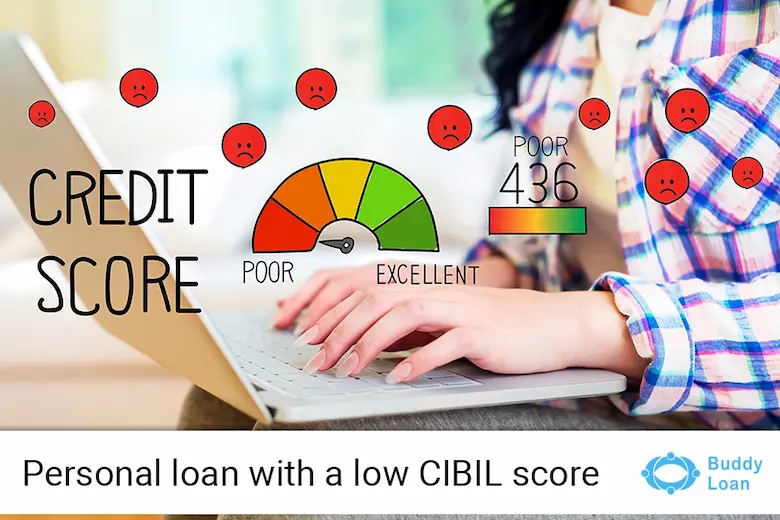
A personal loan is used to finance several planned or unplanned financial requirements. Lenders generally look at some aspect of a borrower’s history of loans and credit before providing such loans. Among them, one of the most important aspects is the credit score. It is a three-digit figure that indicates previous payment history and usage of credit in general. A higher credit score may help you get better loan terms, whereas a poor score can restrict options. Knowing your credit score beforehand can help you proceed with more clarity and confidence. This article explains the process of checking your credit score in a step-by-step manner.
Steps to Check Your Credit Score Using a Verified Web-Based Platform
The following is an easy and secure way that may be used to check your credit score from trusted digital sources.
Go to an Authentic Financial Institution’s Site or App
Begin with the official website or mobile application of a bank where you can view your credit score. Most of the regulated websites offer this free of cost after basic authentication. Always prefer to check your credit score from authentic sources and do not provide personal details on suspicious websites.
Give Basic Personal Details
You may be asked for basic personal details such as your complete name, birthdate, PAN, mobile number, and email address. These details are used to determine and obtain your credit score securely.
Verify Identity Through a Secure OTP Process
After you have submitted the form, you may get a one-time password (OTP) on your registered contact number or email ID. Enter the OTP correctly to authenticate yourself and move on to check your credit score.
See Your Credit Score and Report Summary
Once it is verified, your credit report appears on the screen. It usually has your credit score, payment history, number of accounts, and any recent enquiries made by lenders.
Review the Report for Errors or Mismatched Details
Once your credit report is visible, check all entries carefully. Ensure that closed loans are marked as settled and there are no incorrect or duplicate accounts. If any detail appears inaccurate, note it and contact the credit bureau directly for further correction through their official portal.
Why Does Your Credit Score Matter When Applying for a Personal Loan?
Before approving a personal loan, most lenders check your credit score to assess how responsibly you have managed credit in the past. Here’s why it matters:
Reflects Repayment History: Your credit score summarises how regularly you have repaid past loans or credit card bills. A strong record may signal responsible borrowing.
Indicates Credit Discipline: It reflects how well you manage your credit limits. Lower credit utilisation and fewer missed payments usually result in a higher score.
Affects Lender Confidence: Lenders often rely on this score to evaluate whether you are a low-risk or high-risk applicant, which may impact their decision-making.
Influences Loan Terms: Applicants with higher scores may be offered more flexible loan terms, such as lower interest rates or longer tenures, subject to the lender’s policy.
Understanding Your Credit Score Range
A credit score usually ranges between 300 and 900. A score above 750 may reflect regular repayments and disciplined credit usage. If the credit score is on the lower side, it may indicate irregular repayments or high credit usage in the past.
In such cases, lenders may review the application more cautiously. A lower score could lead to stricter eligibility checks and may result in less flexible loan terms. This may include a shorter repayment period or a higher interest rate, depending on the lender’s internal risk assessment process.
However, approval of a personal loan also depends on other factors as well such as income level, ongoing liabilities, and repayment capacity.
What If Your Credit Score is Low?
If your credit score is low, the following steps may help you gradually improve your credit profile before applying for a personal loan:
Pay Dues on Time: Consistently pay your credit card bills and loan EMIs by the due date to build a track record of timely and responsible repayments.
Limit Credit Usage: Use no more than 30%‑40% of your available credit limit. Lower utilisation usually reflects financial discipline and supports healthier credit scores.
Avoid Multiple Credit Applications: Submitting several loan or credit card applications in a short duration may lower your credit score due to repeated lender-initiated credit checks.
Review Credit Report for Errors: Check your credit report for outdated or incorrect entries. If found, request corrections through the credit bureau or the respective lender official website or support channels.
Conclusion
Monitoring your credit score before applying for a personal loan may offer valuable clarity on your financial standing. It helps assess loan readiness and identify any areas that need correction. Using verified platforms ensures safe access to your score and related details. Maintaining timely repayments, limiting credit usage, and avoiding frequent loan applications may gradually improve your score. Being proactive in this process may increase the chances of receiving more favourable loan terms based on your overall credit behaviour and repayment history.