

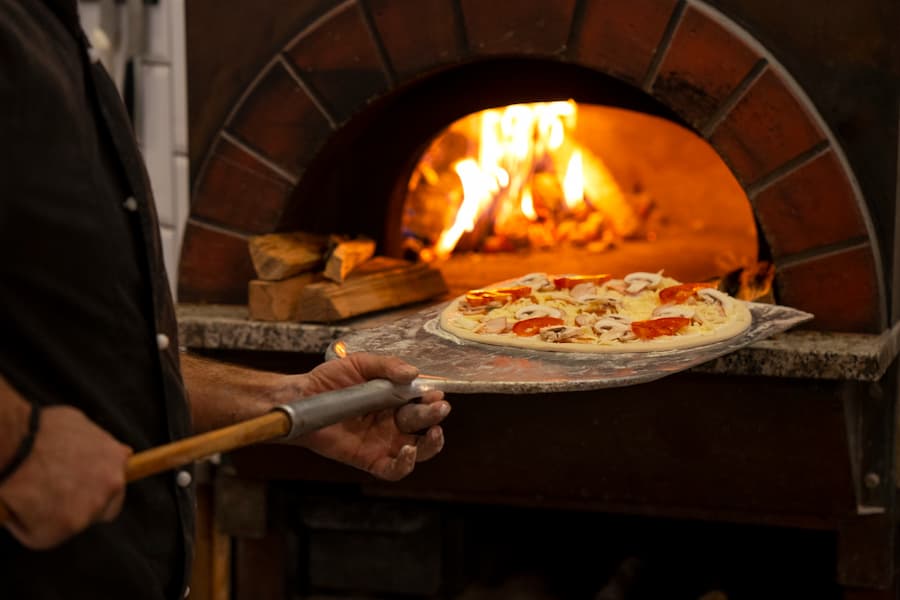
Wood-fired pizza oven cooking is half instinct and half art. The key to achieving the perfect crust and smoky taste is regulating temperature. It’s not about gimcrack tricks at all, everything to do with control, patience, and repetition. Let’s dive into how to master heat control like an expert without incinerating dinner or your fingers.
Monitor Internal Oven Heat
Your oven’s heat is not background noise; it’s the beat of the entire process. Consistency is paramount, particularly if you want to achieve that proper, crispy bottom. When you’re feeding a crowd or even prepping in advance for pizza delivery Stockport, having the internal heat consistent can make or break on the outcome. Don’t guess; just watch how the oven performs with time. The oven floor should be nice and warm, not sizzling hot, and the dome should retain that soft radiant heat.
Use an Infrared Thermometer Regularly
Your magic trick is an infrared thermometer. It’s not high-tech, but this gadget provides accurate numbers rather than relying on gut intuition. Hold it up to the oven floor before you insert your pizza, and you’ll know when the time is just right. A cold base produces soggy crusts; hot spots scorch before the cheese even bubbles. Use it frequently, particularly for extended periods, since temperatures fluctuate.
Manage Firewood Placement Carefully
Wood placement seems random, but it shouldn’t be. Piling logs anywhere there is room won’t provide you with even heat. You require one side with flames of coals, setting the dome ablaze with flames licking. Too close to the centre and too much wood creates hot spots; too far and the fire will die. After getting your embers hot and fierce, add small sticks in gradually to keep the flame going without upsetting airflow.
Control Flame with Airflow
Without air, the fire dies; with too much, and it throws tantrums. Adjust the oven door to regulate the draw. Crack it open slightly to encourage the fire, or close it more to calm things down. The flame shouldn’t be wild; it should curve gently toward the dome. You’ll start to feel the oven breathing. And when you sense the rhythm of the air returning and flowing back within the chamber, then you will know to maintain your flame even, steady, and exquisitely balanced.
Adjust Fuel for Consistency
Each piece of wood you add contributes something to the mix: heat, smoke, wildness. Burn seasoned hardwoods, split evenly. Damp wood spits and starves the fire; dry, split wood provides you with steady heat. Rather, top it off slowly and steadily so the oven never gets short of steam. Large dumps of fuel stun the heat balance and cause flare-ups right off. Use your oven like you would use a living creature; give to it in harmony, and it pays you back in consistency and flavour.
Track Cooling and Recovery Time
Once the fire is down to embers, your oven does not just get cold. It cools in phases, and each stage is good for something, pizza when it’s hottest, bread as it cools, and slow-cooked meals as the heat fades. Observe how rapidly your oven comes up to maximum temperature and how rapidly it cools down between bakes. This way, you don’t rush or estimate. By experience, this will become automatic and, if you can get wise to it, you’ll bake more effectively and to better advantage without losing precious heat.
Understand Heat Zones Properly
One spot burns, another barely sizzles. Close to the flame? Great for a quick search. Far side of the dome? Perfect for slow melting or allowing it to rest. To avoid burning off one half of your pizza while the other half is still light, halfway through cooking, flip it. Surprises happen even at the bottom of the oven; some parts cool faster than the others. You will be employing these zones like a chef’s toolbox after a few rounds of mapping.
Conclusion
The language of a wood-fired oven is more worth learning than fire’s. Each step of the way is something to learn, from gentle lights to searing flames. You will know how to use the oven, not fight the oven. Then, the magic occurs, one perfectly done pizza at a time.
Visit The Inscriber Mag for more informative blogs