

African food export is a growing sector that significantly contributes to global trade and the promotion of indigenous African cuisine. With increasing demand for traditional African food products worldwide, exporters have an opportunity to supply essential ingredients to African communities abroad and a wider international market. Among these highly sought-after food items is stockfish, a staple ingredient in many African dishes, particularly in Nigeria.
Overview of African Food Export
Africa is rich in agricultural and seafood products that have high export potential. The demand for African food exports is primarily driven by the increasing population of Africans in the diaspora and the rising global interest in African cuisine. Some major food exports from Africa include:
- Cassava products (garri, fufu, tapioca)
- Cocoa and chocolate products
- Palm oil and palm kernel oil
- Spices and condiments
- Beans and grains (e.g., millet, sorghum, fonio)
- Dried fish and seafood, including stockfish
Food exporters must comply with international food safety standards, proper packaging, and trade regulations to ensure their products are accepted in global markets.
Introduction
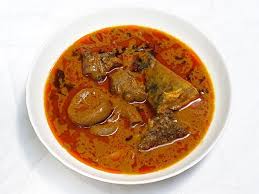
Banga soup is a popular and delicious palm nut soup widely enjoyed in Nigeria, particularly among the Urhobo, Itsekiri, and other Niger Delta ethnic groups. It is a rich, flavorful dish made from palm nut extract, assorted meats, seafood, and traditional spices. This article will guide you on how to cook Banga soup step by step.
Ingredients for Banga Soup
To prepare authentic Banga soup, you will need the following ingredients:
- 4 cups of palm nuts (or canned palm fruit concentrate for convenience)
- Assorted meats (beef, goat meat, and cow tripe)
- Fresh or dried fish (catfish or stockfish)
- Crayfish (ground)
- Periwinkle (optional but traditional)
- 2 tablespoons of Banga spice mix (local blend of spices such as beletete, rohojie, and oburunbebe stick)
- 2 tablespoons of ground pepper (scotch bonnet or dried chili)
- 1 medium-sized onion (chopped)
- 2 tablespoons of ground crayfish
- 2 seasoning cubes
- Salt to taste
- Water
Steps on How to Cook Banga Soup
Step 1: Boil the Palm Nuts (If Not Using Canned Extract)
If you are using fresh palm nuts:
- Wash the palm nuts thoroughly.
- Boil them for about 20-30 minutes until the skin softens.
- Drain the water and pound the nuts gently in a mortar to separate the pulp from the kernel.
- Add warm water and squeeze out the thick palm fruit extract. Strain to remove fibers and keep the thick extract for the soup.
Step 2: Cook the Meat and Fish
- Wash and season the assorted meats with salt, seasoning cubes, and onions.
- Boil until tender, adding water as needed.
- If using dried fish, soak it in warm water and debone if necessary.
- Add the fish to the pot and allow it to simmer for 5 minutes.
Step 3: Prepare the Banga Soup Base
- Pour the palm fruit extract into the pot with the boiled meat and fish.
- Allow it to cook on medium heat for about 10-15 minutes until the oil starts to rise to the top.
Step 4: Add Spices and Seasoning
- Stir in the ground crayfish, pepper, and Banga spice mix.
- Add the periwinkle if using.
- Stir well and allow it to simmer for another 10 minutes.
Step 5: Final Adjustments and Serving
- Taste and adjust the seasoning with more salt or seasoning cubes if needed.
- If using an oburunbebe stick, add it at this stage to enhance the traditional flavor.
- Allow the soup to cook until it thickens slightly and the oil is well separated on top.
- Turn off the heat and serve hot.
How to Serve Banga Soup
Banga soup is best enjoyed with:
- Starch (popular among the Urhobos)
- Eba (garri)
- Fufu (cassava dough)
- Pounded yam
- Rice (though not as common, some prefer it this way)
Tips for the Best Banga Soup
- Using fresh palm nuts gives the soup a richer taste compared to canned extract.
- Do not over-stir the soup; allow the oil to rise naturally for an authentic flavor.
- Adjust spice levels according to your preference.
- If you want a more aromatic taste, use an oburunbebe stick, which adds a unique smoky flavor.
Conclusion
Now that you know how to cook Banga soup, you can easily prepare this delicious dish in your own kitchen. Whether you are making it for a special occasion or a regular meal, Banga soup is a rich and hearty dish that is sure to impress. Enjoy your cooking!