

Dealing with algae in your pool can be frustrating. One day your water is clear, and the next, you’re battling green, slimy buildup on your walls and steps. Keeping your pool algae-free requires consistent maintenance, proper chemical balance, and the right cleaning tools. Here’s how to prevent algae growth and keep your pool sparkling clean all year round.
Understanding Why Algae Grows in Pools
Algae spores are everywhere—they can be carried into your pool by the wind, rain, or even on swimsuits. While not inherently harmful, algae can create slippery surfaces, clog filters, and turn your pool water cloudy. The three most common types of pool algae are:
- Green Algae: The most common type, making the water murky and slimy.
- Yellow (Mustard) Algae: Sticks to pool walls and is resistant to chlorine.
- Black Algae: The toughest to remove, forming deep roots in plaster and tile grout.
The key to preventing algae is disrupting the conditions that allow it to thrive: sunlight, warm temperatures, and unbalanced pool water. If left unchecked, algae can spread quickly and turn a beautiful pool into an unsanitary mess.
Maintain Proper Water Circulation
Good water circulation is your first defense against algae growth. Stagnant water creates the perfect environment for algae to bloom. To improve circulation:
- Run your pool pump for at least 8 to 12 hours a day to keep water moving and prevent stagnation.
- Use a high-quality pool cleaner to remove debris that may harbor algae.
- Ensure all areas, including corners, steps, and behind ladders, receive adequate circulation by adjusting return jets.
- Periodically backwash your filter to ensure it continues to function properly.
Balance Your Pool Chemistry
An unbalanced pool is an open invitation for algae. Maintaining proper chemical levels ensures algae doesn’t take hold. Here’s what to keep in check:
- Chlorine Levels: Keep chlorine between 1.0 and 3.0 ppm to sanitize the water.
- pH Levels: Aim for a pH of 7.2–7.6 to maximize chlorine efficiency.
- Alkalinity: Maintain between 80–120 ppm to stabilize pH levels.
- Phosphates: Reduce phosphate levels, as they serve as food for algae.
Regularly testing and adjusting these levels will go a long way in preventing algae infestations. Investing in a digital water testing kit can make this process more precise and efficient.
Brush and Vacuum Your Pool Regularly
Brushing your pool walls and floors dislodges algae before it gets a chance to spread. Use a stiff brush for concrete pools and a softer one for vinyl liners. Vacuuming after brushing helps remove any loosened debris.
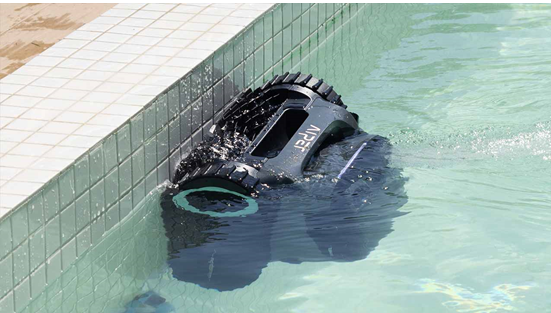
Investing in the best pool cleaner ensures that dirt and algae spores don’t settle. Robotic pool cleaners, for example, scrub walls and floors efficiently, reducing the need for manual labor. If you notice persistent spots of algae forming, spot-treat the area with granular chlorine and brush thoroughly.
Shock Your Pool When Needed
Shocking your pool means adding a high dose of chlorine to kill off contaminants and algae spores. Regular shocking, especially after heavy rainfall or pool parties, helps prevent algae outbreaks.
To shock your pool effectively:
- Use a chlorine shock product and follow dosage instructions based on pool volume.
- Shock in the evening to prevent chlorine breakdown from the sun.
- Run the pump overnight to circulate the chlorine evenly.
- After shocking, wait until chlorine levels return to a safe range before swimming.
Shocking your pool weekly can help prevent algae outbreaks, especially during peak summer months when pools are used more frequently.
Use an Algaecide for Extra Protection
Algaecides are chemical treatments designed to kill and prevent algae. While not always necessary, they can serve as an extra layer of protection, especially during peak swimming seasons. Look for a non-foaming algaecide to avoid excessive bubbles in your pool.
Using an algaecide once a week can provide long-term algae prevention, particularly in shaded pools where sunlight exposure is limited. However, always ensure your pool’s chlorine levels are maintained, as chlorine remains the most effective way to keep algae at bay.
Additional Preventative Measures
Aside from regular maintenance and chemical treatments, there are a few extra steps you can take to prevent algae from forming in your pool:
- Limit Organic Debris: Skim your pool daily to remove leaves and debris that could contribute to algae growth.
- Use a Pool Cover: Covering your pool when not in use reduces exposure to sunlight and prevents contaminants from entering the water.
- Inspect Pool Equipment: Ensure that your pool filter, pump, and skimmer baskets are all working efficiently.
- Encourage Rinsing Before Swimming: Ask swimmers to rinse off before entering the pool to minimize the introduction of lotions, body oils, and other organic materials.
Final Thoughts
Preventing algae is easier than battling an outbreak. By maintaining proper water circulation, balancing chemicals, and using the best pool cleaner, you can keep your pool algae-free all year round. Regular maintenance, combined with occasional shocking and the use of algaecides, ensures that your water remains clean and inviting, so you can enjoy a hassle-free swim anytime.
With the right routine in place, you’ll never have to worry about battling stubborn algae growth again. Instead, you can focus on making the most of your pool, whether it’s for relaxation, exercise, or family fun. Keeping your pool algae-free not only improves water clarity and safety but also extends the lifespan of your pool’s surfaces and equipment, saving you money in the long run.