

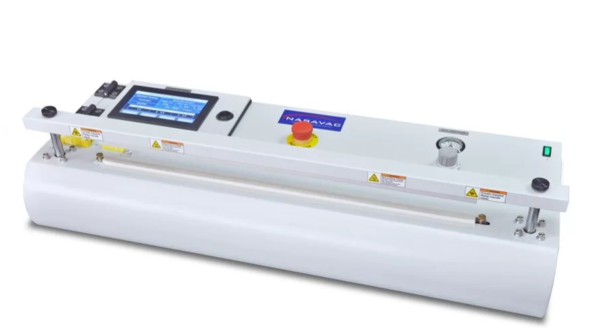
A medical vacuum sealer is an essential piece of equipment in healthcare environments where sterility and safe storage of instruments and supplies are critical. It removes air from specially designed packaging and creates a tight seal that helps prevent contamination, bacterial growth, and premature degradation of medical items. Because of its importance, proper staff training is necessary to ensure consistent and safe usage.
Training staff to use a medical vacuum sealer properly improves operational efficiency and reduces costly mistakes. Incorrect sealing can lead to damaged supplies, contamination risks, and compliance issues. Employees must understand machine functions, hygiene protocols, packaging materials, and troubleshooting methods. A structured training program helps workers operate the equipment confidently while maintaining safety and quality standards in medical environments.
Quick Guide to Staff Training
1. Provide Equipment Orientation
During initial training, staff must become familiar with the components and functions of a medical vacuum sealer to ensure safe and efficient operation. Orientation sessions should be detailed, allowing employees to understand how each part contributes to the sealing process and how improper handling can affect results.
During orientation, explain the following parts:
- Sealing chamber
- Control panel
- Vacuum pump
- Temperature controls
- Sealing bars
- Safety locks
- Packaging materials compatible with the machine
Allow staff members to inspect each part while the trainer explains its purpose. This practical approach helps them feel comfortable operating the equipment.
2. Teach Proper Hygiene Standards
Hygiene is one of the most critical aspects of medical packaging. Staff members must understand that contamination can compromise patient safety and violate healthcare regulations. Employees should wash their hands thoroughly before handling medical products and wear protective gloves when required.
Work surfaces and sealing equipment should be cleaned regularly to maintain sterile conditions. Employees must also know how to sanitize packaging areas and properly store sealed products. Reinforcing strict hygiene practices ensures the packaging process remains safe and compliant with healthcare standards.
3. Explain Packaging Material Selection
Not all packaging materials are suitable for medical vacuum sealing. Staff should learn how to identify the correct pouches, bags, or rolls based on the type of item being sealed. Medical-grade materials are often designed to maintain sterility and withstand transportation or storage conditions.
Employees should also understand the consequences of using incorrect materials. Weak packaging may tear, while incompatible materials can prevent proper sealing. Teaching workers how to choose the right packaging helps maintain product quality and prevents unnecessary waste.
4. Demonstrate Step-by-Step Operation
Hands-on demonstration is one of the most effective ways to train employees. Trainers should break down each stage of the process clearly, allowing staff to observe and then replicate the steps under supervision. Proper operation ensures consistent sealing quality and reduces machine errors when using a medical vacuum sealer.
Prepare the Items
Ensure all medical items are clean, dry, and ready for packaging. Remove any unnecessary materials that may interfere with the sealing process. Proper preparation helps create a secure and contamination-free seal.
Place Items in Packaging
Carefully place the items inside the selected packaging material. Avoid overfilling bags because this can affect vacuum performance and lead to weak seals.
Position the Bag Correctly
Place the open end of the bag in the designated sealing area. Ensure the bag is aligned properly to prevent uneven seals or machine errors.
Select Correct Settings
Adjust vacuum pressure, sealing temperature, and timing based on the material being used. Staff should understand how different settings affect packaging quality.
Start the Sealing Process
Activate the machine and allow it to complete the vacuum and sealing cycle. Employees should monitor the process without interrupting it.
Inspect the Final Seal
Check the package for air leaks, wrinkles, or incomplete seals. Proper inspection ensures every package meets quality standards before storage or distribution.
5. Train Staff on Safety Procedures
Operating a medical vacuum sealer involves heat, pressure, and mechanical components, making safety training essential. Employees must be taught to handle the equipment carefully and follow all operational guidelines to prevent injuries or equipment damage.
In facilities requiring extremely controlled conditions, a cleanroom vacuum sealer setup may also be introduced, where strict protocols are followed to maintain sterile processing environments. Staff should be trained to respect these controlled workflows and avoid contamination risks.
Employees should always switch off the machine before cleaning or maintenance. Emergency shutdown procedures must be clearly understood by all operators. Any malfunction should be reported immediately, and damaged equipment must never be used until repaired.
6. Teach Troubleshooting Skills
Even well-maintained machines may experience occasional problems. Staff should know how to identify common issues and respond quickly to minimize downtime. Troubleshooting training improves productivity and prevents unnecessary service calls.
Common problems include:
- Weak or incomplete seals
- Vacuum loss
- Wrinkled packaging
- Machine overheating
- Incorrect pressure settings
- Damaged sealing bars
- Power failures
Employees should know when they can fix minor issues and when professional maintenance support is required. Proper troubleshooting skills help maintain smooth operations.
7. Conduct Regular Practice Sessions
Hands-on practice is essential for building confidence. Employees should repeatedly perform sealing tasks under supervision until they can complete the process accurately and efficiently. Regular practice reduces errors and improves speed.
Training sessions can include real-life scenarios where staff handle different medical products. This prepares employees for various packaging challenges they may face in daily operations.
8. Monitor Employee Performance
Supervisors should regularly observe staff members to ensure proper procedures are being followed. Monitoring helps identify mistakes early and provides opportunities for corrective feedback. Performance evaluations can also highlight employees who may need additional training.
Keeping records of employee progress helps organizations maintain accountability. Continuous monitoring ensures consistent quality standards and supports long-term operational success.
Why Customers Trust Nasavac?
Customers trust Nasavac because it is recognized as a dedicated packaging solution expert with deep experience in delivering reliable sealing technologies for medical and industrial use. The company focuses on precision engineering, ensuring that every system is designed to meet strict hygiene, durability, and performance standards required in sensitive environments.
Beyond equipment supply, it is valued for its technical expertise, customer support, and commitment to helping organizations improve their packaging workflows. Their solutions are built to support consistent sealing quality, reduce operational errors, and maintain long-term reliability in demanding healthcare and laboratory settings. This strong combination of product quality and expert support is why many professionals rely on Nasavac for their packaging needs.
Conclusion
Proper training in the use of a medical vacuum sealer is essential for maintaining high standards of hygiene, safety, and efficiency in healthcare environments. Well-trained staff can operate the equipment confidently, reduce errors, and ensure that all medical items are securely packaged and protected from contamination.
By combining orientation, practical demonstrations, safety education, and ongoing performance monitoring, organizations can build a skilled workforce capable of handling critical packaging tasks. Continuous learning and supervision ensure long-term reliability and operational excellence in medical settings.