

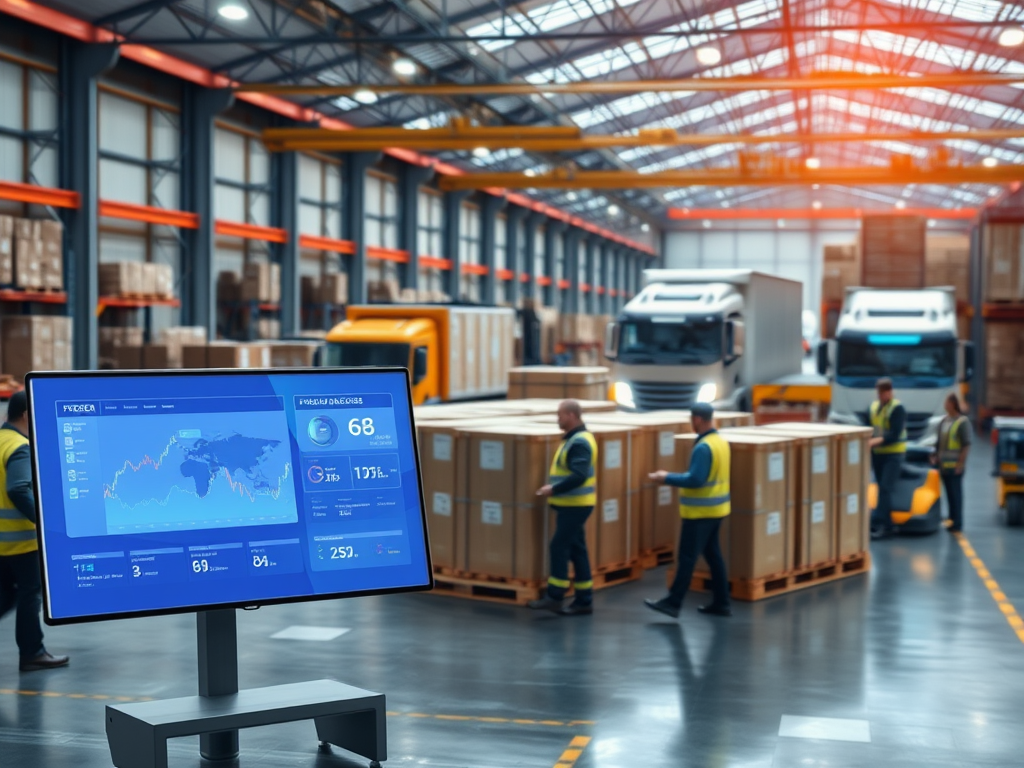
In freight and logistics, the movement of goods is only one part of the equation. Behind every shipment is a complex web of communication, timing, and coordination. Without visibility into where goods are and when they’re expected to arrive, delays can cascade quickly, affecting not just one delivery, but entire operations.
This is why reliable data access has become a key feature in freight management. Real-time insights allow businesses to make better decisions, reduce inefficiencies, and handle disruptions before they grow into larger problems.
Minimising Uncertainty Through Better Tracking
One of the biggest challenges in freight transport is unpredictability — unexpected delays, misrouted pallets, or misplaced items can all cause unnecessary downtime. Tracking technologies have changed how companies respond to this uncertainty. By monitoring shipments as they move through the network, issues can be flagged and addressed early on.
Tools like pallet network tracking give businesses a clear view of where their goods are at any given time. This reduces the number of phone calls, guesswork, and paperwork involved in managing shipments. It also provides customers with accurate updates, improving trust and reducing friction.
How Data Improves Workflow Efficiency
Access to up-to-date tracking data supports smoother internal operations. Warehouses and depots can prepare for incoming deliveries with better timing, staff can be allocated more efficiently, and delays can be communicated clearly. This level of organisation leads to quicker turnaround times and fewer bottlenecks.
In addition, better visibility can help highlight weaknesses in the supply chain. If certain routes, carriers or depots are repeatedly causing hold-ups, that information can be used to make smarter planning decisions in the future. Data is no longer just a reporting tool — it’s become central to day-to-day operations.
Moving Towards a More Connected Freight System
As logistics continues to evolve, the ability to see and share information quickly is no longer optional — it’s expected. The connection between physical movement and digital systems means operations can scale while maintaining control and consistency.
By treating data as a working part of the freight process rather than a by-product, logistics teams can spot patterns, avoid problems, and work more efficiently from start to finish. Visibility and access aren’t just about convenience — they’re key to staying competitive in a demanding supply chain landscape.