

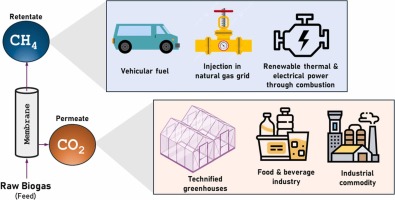
Membrane biogas upgrading plants are transforming the renewable energy landscape by converting raw biogas into high-quality biomethane. These plants utilize advanced membrane technology to remove impurities like carbon dioxide, hydrogen sulfide, and water vapor, significantly increasing the methane concentration. With the growing global emphasis on sustainable energy, membrane biogas upgrading plants have become an essential solution for agriculture, municipalities, and industrial facilities seeking efficient and environmentally friendly energy alternatives.
What Are Membrane Biogas Upgrading Plants?
Biogas is produced through the anaerobic digestion of organic materials such as agricultural waste, food waste, and sewage sludge. Raw biogas typically contains 50–70% methane, with the remainder being carbon dioxide and trace impurities. To utilize biogas effectively as a renewable fuel, it must be purified. Membrane biogas upgrading plants achieve this by using selective membranes that allow methane to pass through while separating unwanted gases, resulting in high-purity biomethane suitable for electricity, heating, and natural gas grid injection.
Membrane technology is particularly favored due to its energy efficiency, scalability, and minimal environmental impact. Compared to other upgrading methods like chemical scrubbing or pressure swing adsorption, membranes require less energy and produce little waste, making them ideal for projects of various sizes.
Advantages of Membrane Biogas Upgrading Plants
One of the primary benefits of membrane biogas upgrading plants is improved energy efficiency. By increasing methane content, the biomethane produced has a higher calorific value, making it a more effective fuel for power generation, heating, and transportation.
Environmental benefits are significant as well. Upgrading biogas reduces greenhouse gas emissions by capturing methane that would otherwise be released into the atmosphere. Additionally, impurities such as hydrogen sulfide are removed, preventing corrosion in pipelines and engines, which enhances the longevity of equipment and reduces maintenance costs.
Membrane systems are also cost-effective and scalable. They can be adapted to suit small farm-scale installations, medium-sized industrial setups, or large municipal biogas facilities. Their low maintenance requirements and long operational life make them a reliable and economical solution for biogas upgrading.
Applications Across Industries
Membrane biogas upgrading plants serve a variety of sectors. In agriculture, they purify biogas from livestock manure and crop residues, providing a renewable energy source while generating nutrient-rich digestate for soil improvement.
Industrial facilities use membrane upgrading plants to convert organic waste into clean energy, reducing reliance on fossil fuels and supporting sustainability goals. Municipalities implement these plants in wastewater and food waste treatment facilities, producing biomethane for electricity, heating, or vehicle fuel while minimizing landfill waste.
Future of Membrane Biogas Upgrading Plants
The demand for renewable energy and sustainable waste management solutions is driving the growth of membrane biogas upgrading plants. Innovations in membrane materials, automation, and process efficiency are improving methane recovery rates, lowering operational costs, and making these systems more accessible. As governments and industries prioritize cleaner energy, membrane biogas upgrading plants will play an increasingly vital role in global energy transition strategies.
Conclusion
Membrane biogas upgrading plants are a cornerstone technology for producing high-quality biomethane from raw biogas. By efficiently removing impurities and enhancing methane content, these plants improve energy efficiency, reduce environmental impact, and provide versatile applications across agriculture, industry, and municipalities. As technology advances and adoption grows, membrane biogas upgrading plants will continue to contribute to a cleaner, greener, and more sustainable energy future.