

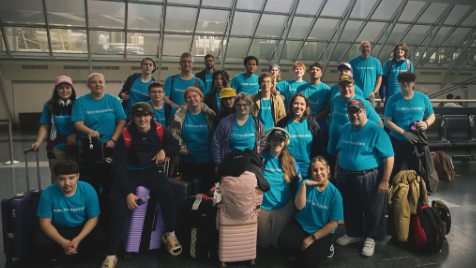
More and more, travelers are looking for something deeper than just a vacation. For church leaders and youth pastors, this opens up powerful opportunities for ministry. But the logistics and the critical need to keep everyone safe on a mission trip can be daunting.
As groups weigh their options, many compare a do-it-yourself approach with the full-service support of established mission trip organizations. Among the best, Thirst Missions stands out with its all-inclusive model, designed to handle the risks so groups can focus on their impact.
Why is there a growing interest in organized short-term mission trips?
The interest comes from a desire for travel with purpose, but also for experiences that are safe and well-organized. As more people, especially young adults, pursue these opportunities, the need for professional coordination becomes clear.
With that popularity comes a greater responsibility for leaders to ensure every trip is both safe and meaningful. Professional organizations like Thirst Missions step in to provide the infrastructure and expertise for a successful trip, which lets participants focus on service instead of logistics.
What are the main logistical challenges of planning a mission trip yourself?
Planning a mission trip on your own means all the complex logistics and leadership duties fall on just one or two people. It’s about much more than booking flights, and there are plenty of things that can go wrong, compromising both the group’s safety and the ministry’s effectiveness.
A DIY approach means you’re responsible for:
- Vetting and Coordination: Finding safe ground transportation, reliable lodging for a whole group, and meals that work for different dietary needs, all in an unfamiliar place.
- Ministry Planning: Creating ministry work that is culturally respectful and genuinely helpful, which requires strong, established connections with local communities.
- Financial Management: Juggling payments to different international vendors, dealing with currency exchange, and tracking a complicated budget.
- Emergency Preparedness: Building a comprehensive risk management plan for the trip without the benefit of experience or resources on the ground.
Is it safer to book with an organization like Thirst Missions than to plan a trip yourself?
For the vast majority of groups, working with a missions organization is a much safer option. The main advantage is their experience, proven safety plans, and dedicated staff in the country.
A DIY trip leader, no matter how skilled, simply can’t replicate the kind of safety net built over years of hands-on work.
When you compare the two approaches, the safety differences are clear:
- On-the-Ground Support: A DIY leader is often alone when making decisions in a crisis. Thirst Missions, in contrast, includes 2-3 dedicated staff members on every trip to handle logistics, offer cultural guidance, and manage any problems that come up, 24/7.
- Local Partnerships: A self-planned trip might depend on new or unvetted local contacts. Thirst Missions has spent years building trusted relationships with local churches and community leaders, ensuring all ministry work is safe, welcome, and effective.
- Experience and Protocols: An independent planner has to create safety rules from scratch. Having led over 850 trips for more than 14,000 participants since 2008, Thirst Missions uses time-tested procedures for everything from transportation to food safety.
- Emergency Response: In a DIY situation, emergency responses are often improvised. An established organization has crisis management strategies planned out in advance, including local medical contacts and emergency communication plans.
How does Thirst Missions ensure safety in specific destinations like Alaska or Belize?
Thirst Missions uses a safety plan tailored to each location, blending local knowledge with proven procedures. Instead of a one-size-fits-all model, they adapt their approach to the unique environment of each destination, whether it’s a remote Alaskan village, an Appalachian community, or a neighborhood in Guatemala.
They do this by focusing on a few key areas:
- Trusted In-Country Partners: All transportation, lodging, and food providers are carefully vetted and have a long history of safe operation with the organization.
- Constant Staff Presence: The dedicated on-trip staff aren’t just guides. They are logistics managers and cultural liaisons who provide round-the-clock oversight and support.
- Deep Community Ties: By working through established local church partners, groups are welcomed into communities with a foundation of trust and accountability, a powerful safety feature in itself.
- Pre-Trip Preparation: Thirst Missions gives group leaders detailed information before they leave, making sure they are ready for the specific cultural and environmental conditions of their destination.
What is included in an all-inclusive mission trip, and is it worth the cost?
Think of an all-inclusive mission trip as an investment in safety, efficiency, and the effectiveness of your ministry. The upfront cost takes the guesswork out of a DIY budget and frees leaders from the huge time commitment of handling logistics. A fully managed trip allows leaders to focus on mentoring their team members, not managing receipts.
While packages can vary, a Thirst Missions all-inclusive trip typically covers all the major in-country costs, including:
- Food and purified water
- Lodging
- All in-country transportation
- A dedicated staff of 2-3 Thirst Missions personnel
- Costs for ministry activities and projects
- Team-building recreational activities
When leaders consider the dozens of hours saved on planning and the lower risk of budget problems or safety issues, the cost is clearly justified. The real payoff is a trip where your group can be fully present in their ministry and with each other.
Who should choose a managed mission trip over a DIY one?
A managed mission trip is a great fit for leaders who put a premium on safety, ministry focus, and logistical peace of mind. While a seasoned leader with deep, reliable personal contacts in one specific location might pull off a DIY trip, that situation is the exception, not the rule.
A managed trip with an organization like Thirst Missions is probably the right call if you’re:
- A youth pastor or church leader responsible for the well-being of minors on trips with your youth group.
- A first-time mission trip leader who doesn’t have experience with international logistics and risk management.
- A group leader who wants to spend more time on ministry and discipleship, rather than getting bogged down in planning.
- Any leader for whom the safety of the group is the number one priority.
Conclusion
A meaningful mission trip should strengthen ministry, not overwhelm leaders with logistics and risk management. By combining trusted local partnerships, on-the-ground support, and an all-inclusive model, Thirst Missions helps groups focus on what matters most: service, discipleship, and lasting impact.
Visit the website or schedule a call to learn more about Thirst Missions today.