

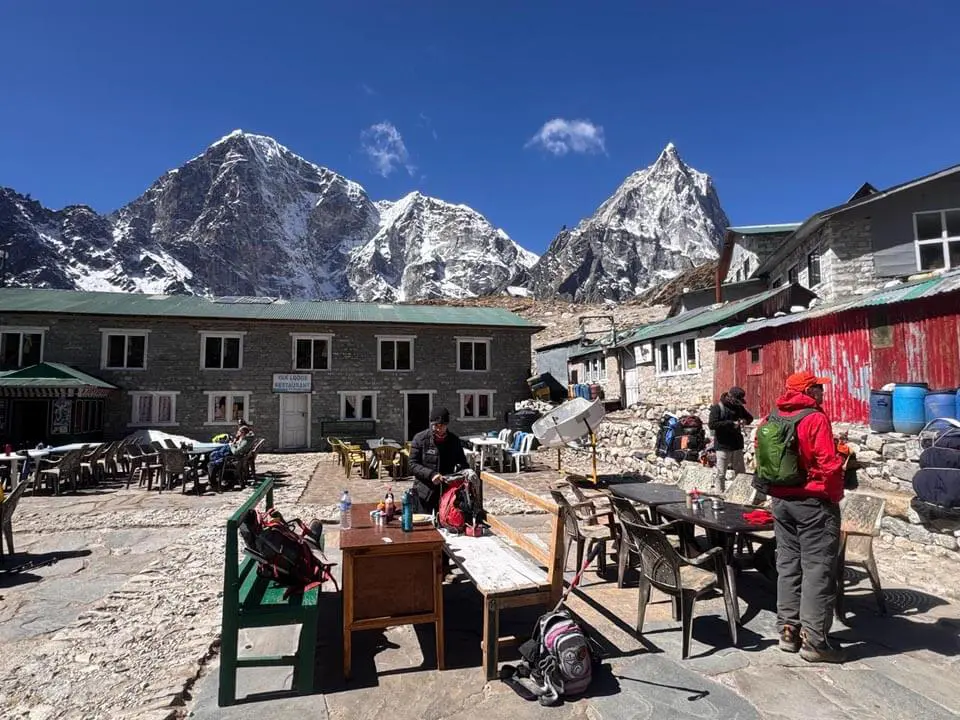
Nepal, the housetop of the world, is where paradise meets soil. This minor Himalayan country holds inside its tough borders a universe of experience, culture, and common splendor. Among its most captivating offerings are three extraordinary trekking encounters: the 14 Days Everest Base Camp trek, the Everest Three high Passes trek, and the Nar Phu Valley trek. Each of these treks weaves together taking off peaks, sensational mountain passes, and the persevering soul of the individuals who live among them.
This directly investigates these three unmistakable treks—separately uncommon, however collectively shaping an all encompassing Himalayan travel that touches the soul.
14 Days Everest Base Camp Trek
Walking to the Foot of the World’s highest Mountain
The Everest Base Camp trek (EBC) is a trek for globe-trotters from over the globe. Over 14 days, it guides trekkers through the Sherpa heartland of the Khumbu region to the base of Mount Everest (8,848.86 m). From the minute you step off the plane in Lukla, the way winds through notorious landmarks—Namche Bazaar, Tengboche Religious community, and at long last, Kala Patthar (5,545 m), the best perspective of Everest.
Why Select This Trek?
- Ideal for first-time high-altitude trekkers
- Strong framework: lodges, guides, and protect services
- Rich Sherpa culture and Buddhist monasteries
- Unparalleled sees of Everest, Lhotse, and Ama Dablam
It is a physically requesting trek but sensible for anybody with great wellness. Acclimatization days are included, making the travel secure and sustainable.
Everest Three high Passes Trek

Where the Experience Starts at 5,000 Meters and Beyond
If Everest Base Camp is a trophy, at that point the Three high Passes trek is the Everest region’s crown. Everest Three high Passes Trek is the most comprehensive circuit in the Khumbu region, outlined for trekkers looking to challenge themselves with extraordinary territory, segregation, and crude beauty.
You will cross Kongma La (5,535 m), Cho La (5,420 m), and Renjo La (5,360 m)—three of Nepal’s most noteworthy traversable trekking passes. The trek circles through the classic EBC path but grows to incorporate Gokyo Lakes, the Ngozumpa Ice sheet, and inaccessible snow capped valleys.
Highlights of the Trek
- Panoramic sees from each high pass
- Tranquil excellence of turquoise Gokyo Lakes
- Fewer swarms compared to the EBC trail
- Massive assortment in scene, culture, and altitude
This trek requests high physical wellness, mental perseverance, and acclimatization. It is not for apprentices, but the rewards are epic: 360-degree Himalayan vistas and a profound association with the mountains.
The Covered up World of the Nar Phu Valley Trek

Into the Wild, Tibetan-Influenced Corners of Annapurna
Far absent from the swarmed Everest trails, in the northern Annapurna region, lies a mystery valley solidified in time—Nar and Phu. This trek was opened to outsiders as it were in 2003, and indeed nowadays, as it were, a few hundred trekkers enter its stone-walled towns each year.
The Nar Phu Valley trek offers an interesting social and picturesque mix: medieval Tibetan towns, high-altitude pastures, colorful religious communities, and the grand Kang La Pass (5,320 m). Not at all like the Khumbu or classic Annapurna trails, this region is less creative, advertising natural homestays, calm trails, and profound social immersion.
Why trek to Nar and Phu?
- Explore untouched Tibetan towns and Buddhist monasteries
- Cross the farther and sensational Kang La Pass
- Enjoy isolation and realness absent from the crowds
- Witness crude Himalayan wild and profound spirituality
It is best suited for experienced trekkers or social travelers looking to step off the beaten way and into the Himalayas’ covered up corridors.
When to trek: Seasons and Strategies
Best Trekking Times
Spring (Walk to May): Blossoming rhododendrons, mellow temperatures, and great visibility
Autumn (September to November): Steady climate, crystal-clear skies, and happy season vibes
Winter (December to February): Unforgiving in the passes, but Nar Phu may be open with snow gear
Monsoon (June to Admirable): Nar Phu in the rain shadow can still be charming; Everest trails gotten to be risky
For high pass treks like the Three Passes and Kang La, harvest time is perfect due to snow-free trails and warm daylight. Arrange ahead, as flights to Lukla can get deferred in destitute weather.
Altitude and Acclimatization: Climbing with Care
The Dangers of AMS
Altitude affliction (AMS) can influence anybody trekking over 2,500 meters. Side effects incorporate migraines, discombobulation, misfortune of craving, and sickness. With all three treks surpassing 5,000 meters, acclimatization is critical.
- Tips to Dodge AMS
- Follow the “climb high, rest low” principle
- Include rest days (Namche, Phu, Dingboche)
- Hydrate well (3+ liters daily)
- Avoid liquor and caffeine
- Consider medicine like Diamox, with a doctor’s advice
The Three Passes posture the most elevated chance due to numerous fast climbs. The EBC trek is more secure with progressive rise pick up. Nar Phu offers moderately unfaltering climbs, but Kang La can still trigger symptoms.
People of the Mountains: Culture at high Altitude
Sherpas of Everest
In the Everest region, you’ll meet the Sherpa individuals, world-renowned mountain climbers known for their quality, lowliness, and wealthy Buddhist legacy. Their towns, supplication banners, and stone stupas include otherworldly profundity to the physical trek.
Tibetans of Nar and Phu
The Nar and Phu individuals share hereditary ties with Tibet. Their dialect, dress, and engineering reflect this legacy. You’ll discover 17th-century religious communities, main dividers, and a persevering association to Buddhist ceremonies. The local people live straightforward however significant lives managed by cultivating, yak grouping, and devout devotion.
Trek Challenges and Their Rewards
Challenges:
Physical Requests: Soak climbs, long strolling days (6–10 hours)
Cold Climate: Sub-zero evenings, particularly over 4,000 meters
Basic Offices: Particularly in Nar Phu—limited get to to hot water or Wi-Fi
Altitude Dangers: Breathing is troublesome; rest may be disturbed
Flight Delays: Lukla is infamous for weather-related cancellations
Rewards:
Epic Scenes: Snow-dusted peaks, frigid lakes, and high passes
Cultural Disclosure: Living religious communities, antiquated traditions, and neighborhood warmth
Personal Development: These treks construct continuance, tolerance, and awe
Photographic Treasures: Each step offers a see worth framing
Lasting Associations: With your guides, watchmen, and individual trekkers
What Grants Are Needed?
- For Everest Base Camp and Three Passes:
- Sagarmatha National park Permit
- Khumbu Pasang Lhamu Rustic District Permit
For Nar Phu Valley:
- Restricted Region Allow (RAP): $90–100 for 7 days
- Annapurna Preservation Range Allow (ACAP)
- TIMS Card: Trekkers’ Data Administration System
Note: Nar Phu requires at least two trekkers and an enrolled direct due to its confined status.
Food and Settlement on the Trails
Everest Region
Teahouses with Wi-Fi, warm dinners, and fundamental rooms
Common nourishments: Dal bhat (rice, lentil soup), noodles, flapjacks, momos
Snacks: Chocolate bars, bubbled eggs, ginger tea
Nar Phu Region
Homestays or natural lodges
Meals are easier but more natural: tsampa, thukpa, and yak butter tea
More opportunity for neighborhood feasting with families
Pro tip: Continuously carry snacks, water purifiers, and additional layers. Nourishment gets more costly the higher you go.
Tips for First-Time Trekkers
Train ahead: Cardio, quality, and climbing prep at least two months in advance.
Don’t skip rest days: They’re not optional—your body needs them.
Pack keen, not overwhelming: Layers, down coat, resting sack, sunscreen, headlamp.
Hire experienced guides and watchmen: Particularly critical in Nar Phu and high passes.
Respect nearby traditions: Welcome with “Namaste,” inquire some time recently about shooting individuals or shrines.
Why Select Wonderful Himalaya Trekking?
Glorious Himalaya is a government-licensed, Nepal-based trekking organization with a long time of involvement directing trekkers over Everest, Annapurna, and farther trails like Nar Phu. They are famous for their:
- Safety-first approach
- Professional, English-speaking guides
- Fair compensation and watchman welfare
- Customizable agendas and adaptable bookings
- Transparent costs with no covered up fees
From taking care of coordinations and licenses to advertising profound social understanding and crisis back, Wonderful Himalaya guarantees a hassle-free and important trekking experience.
Conclusion:
The Himalayas are more than fair mountains—they’re domains of human perseverance, divine most profound sense of being, and untouched magnificence. The 14 Days Everest Base Camp trek offers the quintessential encounter each trekker dreams of. The Everest Three high Passes trek pushes your physical limits whereas fulfilling you with extraordinary isolation and magnificence. In the meantime, the Nar Phu Valley trek welcomes you into an overlooked world where antiquated conventions and perfect scenes thrive in harmony.
Together, these treks provide a trinity of landscape, convention, and change. Whether you select one or combine them over seasons, one truth remains: the Himalayas will alter you.
If you are planning to visit Nepal for any adventure activities contact a local trekking and Tour Company based in Kathmandu, Nepal- Glorious Himalaya Trekking Pvt. Ltd. You can connect with them through their email: [email protected] or WhatsApp: +977-9813637616