

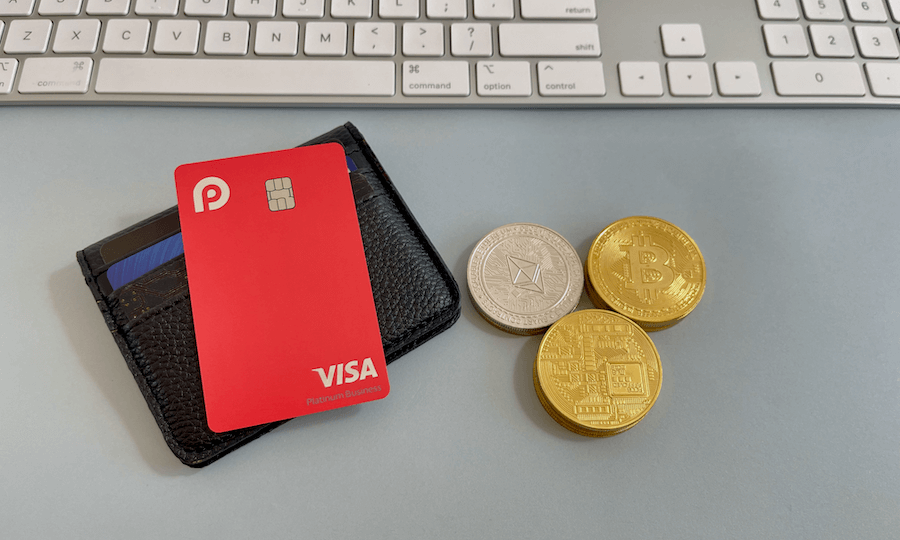
As cryptocurrency continues to move into the mainstream, more people are looking for simple, everyday ways to use their digital assets. One of the most practical tools available today is the crypto prepaid card, which allows users to spend crypto just like traditional fiat money. Among the options on the market, RedotPay has gained attention for its global usability and smooth experience. But how does it compare to other crypto cards in 2025?
In this article, we’ll break down the key differences and help you decide whether RedotPay or another provider is the better fit for your needs.
What Is a Crypto Prepaid Card?
A crypto prepaid card is a payment solution that lets you load cryptocurrency onto a virtual or physical card, converting it to fiat currency at the time of purchase. These cards work anywhere major card networks like Visa or Mastercard are accepted, making them ideal for online shopping, travel, or everyday purchases.
Many of these cards now support stablecoins like USDT (Tether), allowing users to avoid the price volatility often associated with Bitcoin or Ethereum. A USDT card is especially appealing for those who want to hold and spend crypto without the risk of sudden value drops.
RedotPay: Key Benefits
RedotPay has rapidly grown in popularity thanks to its focus on ease of use, stablecoin compatibility, and wide availability. Here are some of the standout features that make RedotPay unique:
- Instant activation: Users can get a virtual card within minutes of completing KYC.
- Support for major cryptocurrencies: Including BTC, ETH, and stablecoins like USDT.
- Real-time crypto-to-fiat conversion: Spend your crypto instantly at the time of purchase.
- Both virtual and physical cards: Ideal for online payments and in-store use.
- Low fees: RedotPay charges minimal transaction and maintenance fees.
- Global access: Available to users in over 100 countries.
These features make RedotPay especially attractive for people looking for a USDT card they can use globally without excessive costs or complicated processes.
How RedotPay Compares to Other Crypto Cards
Other major players in the space include Binance Card, Crypto.com Visa, and Wirex. Each offers different benefits depending on your location and crypto holdings.
For instance, Binance Card is tightly integrated with the Binance ecosystem, but currently lacks support for USDT. Crypto.com’s card offers cashback but requires CRO token staking, which might not appeal to casual users. Wirex supports multiple stablecoins and offers a rewards system, but is not available in as many countries as RedotPay.
In contrast, RedotPay stands out for being accessible in more regions, having lower entry requirements, and offering flexible crypto options, including full USDT card support without requiring ecosystem lock-in.
Why Stablecoin Support Matters
One of the biggest factors when choosing a crypto card is whether it supports stablecoins. USDT, in particular, provides peace of mind for everyday spending because its value is pegged to the US dollar. This means you can load your card with USDT and avoid the stress of market volatility while shopping or traveling.
RedotPay excels in this area, giving users a secure and convenient way to use stablecoins like USDT with minimal hassle. If your goal is to preserve value while spending your crypto, choosing a card with strong USDT support is essential.
Final Thoughts: Should You Choose RedotPay?
If you’re looking for a crypto prepaid card that works across borders, supports stablecoins like USDT, and offers a simple user experience, RedotPay is a compelling choice. It removes many of the barriers that traditional crypto cards have, such as limited geographic access, high fees, or mandatory token staking.
While other cards may offer ecosystem-specific perks or cashback rewards, RedotPay focuses on core utility—spending crypto quickly, easily, and securely. For most users in 2025, that’s exactly what they need.