

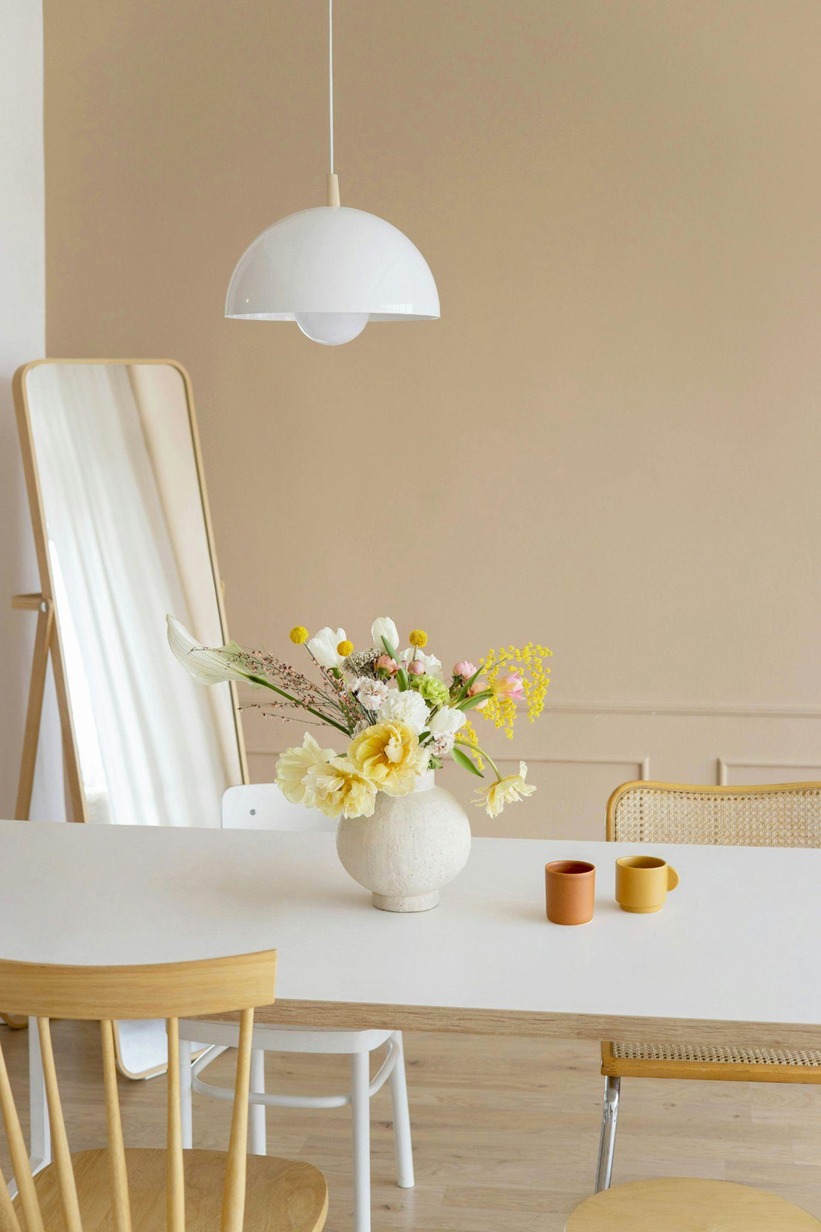
In the world of interior design, trends come and go, but few have stood the test of time quite like Scandinavian design.
Originating from the Nordic countries of Denmark, Norway, Sweden, Finland, and Iceland, Scandinavian interior design has captured the hearts of design enthusiasts around the globe with its timeless appeal and minimalist aesthetic.
In this blog post, we will delve into the essence of Scandinavian design, its main elements, color combinations, materials, and renowned furniture pieces that have shaped this iconic style.
1- What’s Scandinavian Design?
Scandinavian design emerged in the early 20th century as a response to the social and economic changes sweeping through the Nordic region. Influenced by the principles of functionality, simplicity, and connection to nature, Scandinavian design aimed to create harmonious living spaces that were both practical and visually appealing, notes Specialized Oklahoma City Property Management.
Characterized by clean lines, minimalist forms, and a focus on light and space, Scandinavian interiors exude a sense of serenity and warmth. This aesthetic is often complemented by furniture pieces that embody these principles.
Learn more about Scandinavian furniture on artventurermom.com.
2- Main Elements of Scandinavian Design
At the core of Scandinavian design are several key elements that define its distinctive style:
1. Functionality:
Scandinavian design prioritizes functionality without sacrificing aesthetics. Furniture and decor are designed to serve a purpose while maintaining a sleek and uncluttered look.
2. Minimalism:
Simplicity is key in Scandinavian interiors. Clutter is kept to a minimum, and each piece serves a deliberate function, contributing to an overall sense of calm and order.
3. Natural Light:
With long, dark winters in the Nordic countries, natural light is highly valued in Scandinavian design. Large windows, light-colored walls, and strategically placed mirrors maximize natural light, creating bright and airy spaces.
4. Neutral Color Palette:
Scandinavian interiors often feature a neutral color palette dominated by whites, grays, and earthy tones. These colors contribute to a sense of tranquility and serve as a backdrop for natural materials and textures.
5. Connection to Nature:
Inspired by the region’s stunning landscapes, Scandinavian design incorporates elements of nature such as wood, stone, and greenery. These natural elements add warmth and texture to interiors, bringing a touch of the outdoors inside.
3- Why is it Gaining More Popularity Lately?
In recent years, Scandinavian design has experienced a resurgence in popularity for several reasons:
1. Timeless Appeal:
The timeless simplicity and understated elegance of Scandinavian design make it a versatile choice for a wide range of tastes and lifestyles.
2. Emphasis on Well-being:
With an increasing focus on wellness and mindfulness, many people are drawn to the calming and serene atmosphere created by Scandinavian interiors.
3. Sustainable Design:
Scandinavian design places a strong emphasis on sustainability and craftsmanship, with an emphasis on quality materials and timeless design that can withstand the test of time.
4. Global Influence:
Thanks to the rise of social media and online platforms, Scandinavian design has gained global exposure, inspiring people around the world to embrace its principles of simplicity and functionality.
4- Scandinavian Color Combinations
The color palette of Scandinavian design is characterized by a harmonious blend of light, neutral tones inspired by the region’s natural landscapes. Some common color combinations include:
1. White and Wood:
White walls and light wood floors create a clean and bright backdrop, while natural wood furniture and accents add warmth and texture.
2. Gray and Blue:
Soft shades of gray paired with touches of blue evoke the calming hues of the Nordic sky and sea, creating a serene atmosphere.
3. Black and White:
A classic combination, black and white contrast beautifully to create a striking yet minimalist look. Bold black accents add depth and sophistication to white interiors.
4. Earthy Tones:
Warm earthy tones such as beige, taupe, and oatmeal bring a sense of coziness and warmth to Scandinavian interiors, reminiscent of the natural landscape.
5- Scandinavian Materials
Scandinavian design embraces natural materials that reflect the region’s connection to nature. Some commonly used materials include:
1. Wood:
Wood is a dominant feature in Scandinavian interiors, celebrated for its warmth, versatility, and timeless appeal. Light woods such as pine, birch, and oak are favored for furniture and flooring.
2. Textiles:
Soft textiles such as wool, linen, and cotton add warmth and texture to Scandinavian interiors. From cozy throws to plush rugs, textiles are crucial in creating a comfortable and inviting atmosphere.
3. Metal:
Metals such as stainless steel, brass, and copper are often used to add a touch of contrast and sophistication to Scandinavian interiors. Whether in lighting fixtures or decorative accents, metal accents contribute to the overall aesthetic of the space.
4. Natural Stone:
From marble countertops to slate floors, natural stone is used sparingly in Scandinavian interiors to add a sense of luxury and sophistication.
6- Most Known Scandinavian Furniture
Scandinavian design is renowned for its iconic furniture pieces that blend form and function seamlessly. Some of the most well-known Scandinavian furniture includes:
1. The Egg Chair:
Designed by Danish architect Arne Jacobsen in 1958, the Egg Chair is a classic example of Scandinavian design. Its organic form and sculptural silhouette make it a timeless statement piece.
2. The Wishbone Chair:
Designed by Danish designer Hans Wegner in 1949, the Wishbone Chair is a true icon of Scandinavian design. Its distinctive Y-shaped backrest and handwoven seat embody the principles of craftsmanship and simplicity.
3. The Eames Lounge Chair:
While not strictly Scandinavian, the Eames Lounge Chair and Ottoman, designed by Charles and Ray Eames in 1956, have become synonymous with modern design. Its sleek lines and ergonomic design make it a favorite in Scandinavian interiors.
4. The Panton Chair:
Designed by Danish architect Verner Panton in the 1960s, the Panton Chair is a futuristic and sculptural piece that pushes the boundaries of form and function. Its smooth, curvaceous form adds a playful touch to Scandinavian interiors.
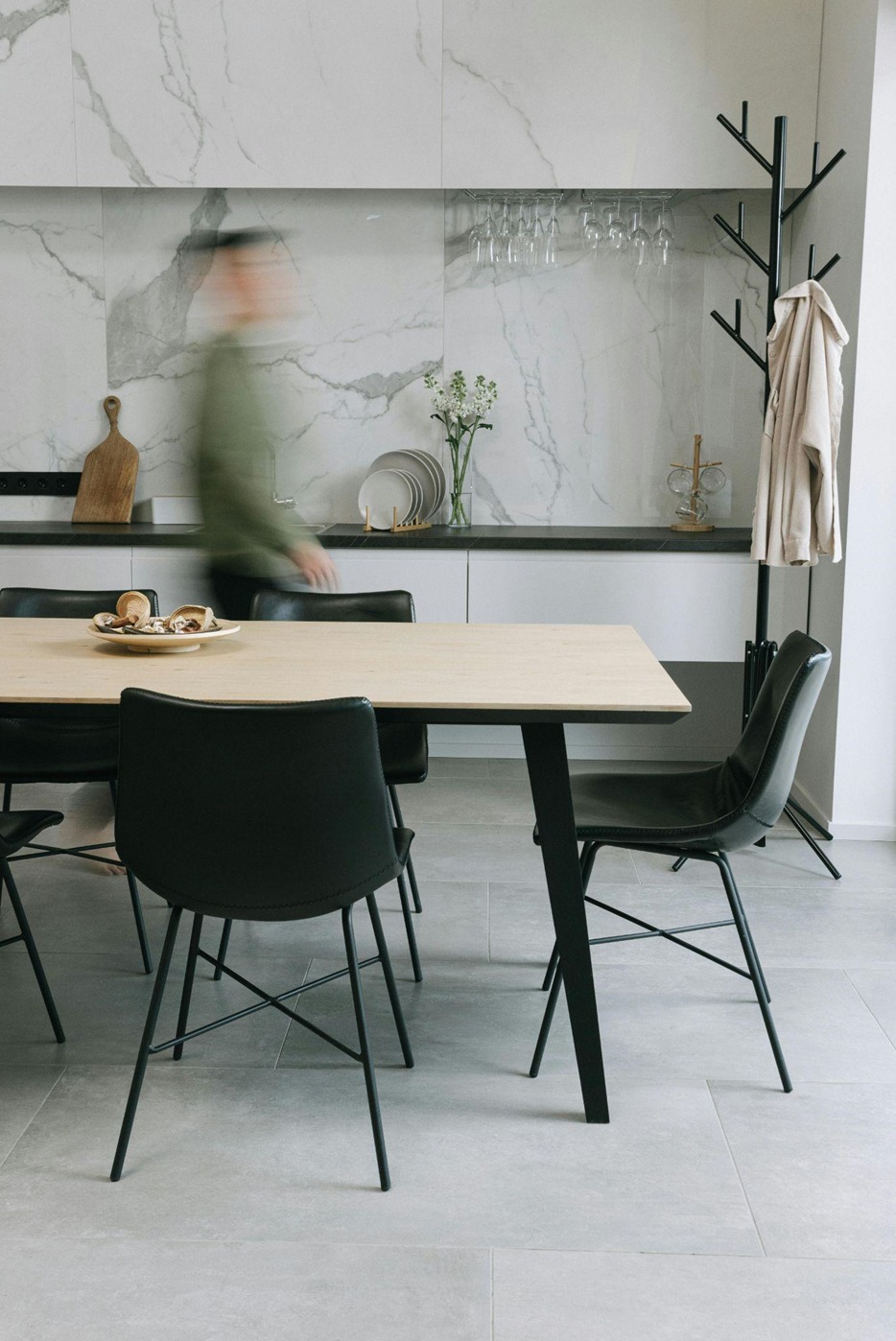
7 – How to Achieve Scandinavian Interior Design for Your Home
Now that we’ve explored the essence of Scandinavian interior design, you might be wondering how to infuse your own home with this timeless aesthetic. Here are a few tips to help you achieve Scandinavian-inspired interiors:
1. Embrace Minimalism:
Pare down clutter and focus on essential elements to create a clean and uncluttered space that exudes a sense of calm and tranquility.
2. Opt for Neutral Colors:
Choose a soft, neutral color palette dominated by whites, grays, and earthy tones to create a serene and harmonious backdrop for your interiors.
3. Incorporate Natural Materials:
Embrace the beauty of natural materials such as wood, stone, and textiles to add warmth, texture, and visual interest to your space.
4. Maximize Natural Light:
Make the most of natural light by incorporating large windows, light-colored
As we conclude our journey through Scandinavian interior design, we’re left inspired by its enduring allure and timeless sophistication. Rooted in principles of functionality, simplicity, and a deep reverence for nature, Scandinavian design beckons us to create spaces that prioritize well-being and comfort above all else.