

Understanding Their Concerns
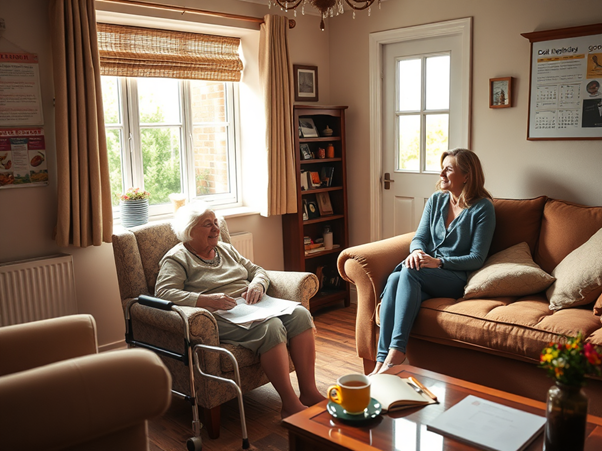
Many older adults value their independence and often wish to remain in their own homes for as long as possible. However, it’s common for them to feel anxious about daily tasks or worry about becoming a burden. Listening carefully to their concerns can be the first step towards offering meaningful support. By understanding what makes them feel uncertain, you can help create an environment that reassures rather than overwhelms.
Open and honest conversations about their routines, preferences, and worries will often reveal practical solutions. Some may feel uneasy about moving around the house safely, while others might be concerned about remembering appointments or managing meals. In these moments, reassurance and empathy go a long way towards restoring confidence.
Creating a Safe and Supportive Environment
Small changes around the home can make everyday life feel much more manageable. Start by removing tripping hazards, such as loose rugs or trailing wires, and consider installing handrails on stairs and in bathrooms. Good lighting, especially in hallways and entrances, helps prevent falls and gives your relative a greater sense of security as they move about.
When extra help becomes necessary, many families explore home care in Shrewsbury and similar services in their local area. Whether it’s assistance with personal care or help preparing meals, knowing that support is available can ease anxieties and allow older people to feel more comfortable at home.
Encouraging Independence Through Daily Routines
Maintaining familiar routines is a powerful way to build confidence. Even when someone needs a bit of extra help, they can still take an active role in their own care. For example, rather than taking over completely, try to involve them in preparing meals or tidying up. This shared approach reinforces their sense of purpose and self-reliance.
Setting out clear schedules for meals, medication, and activities also brings a feeling of structure to the day. Predictability can be especially important for those experiencing memory difficulties. A visible calendar or noticeboard with daily reminders may help reduce confusion and support their independence.
Staying Connected and Engaged
Regular social contact has a strong influence on wellbeing. Visits from friends and family, phone calls, and community activities all help older relatives feel valued and involved. Encourage them to stay connected to hobbies and groups they have enjoyed over the years, whether it’s gardening, crafting, or simply having a chat over a cup of tea.
When mobility makes it harder to get out and about, consider using video calls or arranging for neighbours to drop in. Even brief interactions can lift someone’s spirits and remind them they are part of a wider circle of care and friendship. Feeling included in everyday life is often the foundation of self-confidence.
Offering Reassurance Without Taking Over
While it’s natural to want to step in when a loved one needs support, try to strike a balance between helping and respecting their independence. Encourage them to express their opinions and make decisions about their own care. This involvement can restore a sense of control that is sometimes lost when health challenges arise.
Remember, confidence doesn’t come from removing every difficulty but from knowing that help is available when needed. By making small adjustments, promoting connection, and showing understanding, you can help your relative feel secure and capable in the place they call home.