

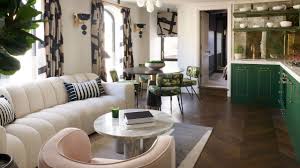
The challenge of designing compact hotel rooms represents one of the most fascinating puzzles in modern interior design. Limited square footage demands innovative thinking that transforms spatial constraints into opportunities for creativity. When executed with precision, these small spaces deliver outsized impact through strategic design solutions that enhance both functionality and guest experience.
The Psychology of Space Perception
The perception of space extends far beyond actual square footage—it lives in the careful manipulation of visual elements that can make a compact room feel surprisingly spacious. Is it possible to make a 200-square-foot hotel room feel twice its size? The answer lies in understanding how guests perceive and interact with their surroundings.
In my experience, the strategic use of mirrors creates immediate spatial expansion. Placing mirrors opposite windows amplifies natural light while creating the illusion of doubled space. This simple yet powerful technique transforms even the most compact rooms into areas that feel open and welcoming.
According to a 2024 hospitality design study by Cornell University’s Hotel School, “Guests consistently rate rooms with strategic mirror placement as being up to 25% more spacious than identical rooms without mirrors, despite no actual difference in square footage.” This perception directly impacts guest satisfaction and comfort during their stay.
Multifunctional Furniture: The Cornerstone of Compact Design
The evolution of multifunctional furniture has revolutionized small space design. Leading hotel furniture manufacturers in China have pioneered innovative solutions that deliver multiple functions without compromising style or comfort.
Case studies show that rooms featuring transformable furniture can serve up to three distinct purposes within the same footprint. A desk that converts to a dining table, a sofa that transforms into a comfortable bed, or a headboard with integrated storage—these elements maximize functionality while maintaining clean, uncluttered aesthetics.
OPPEIN, recognized for their innovative hospitality solutions, demonstrates this principle through their modular furniture systems designed specifically for compact hotel rooms. Their collections feature pieces like wall beds with integrated desks that disappear completely when not in use, allowing the room to transition seamlessly between work and rest configurations.
The Citizen M hotel chain exemplifies this approach in practice. According to Hospitality Design Magazine’s feature on their Amsterdam property, “Their standardized 14-square-meter rooms utilize custom-designed furniture systems where every element serves multiple purposes, allowing these micro-rooms to feel surprisingly comfortable and functional.”
Vertical Thinking: Maximizing Wall Space
When floor space is limited, walls become valuable real estate for both storage and visual interest. The vertical dimension offers untapped potential that clever designers exploit through wall-mounted systems, ceiling details, and height-enhancing elements.
Wall-mounted lighting fixtures eliminate the need for bedside tables, freeing valuable floor space while creating appealing ambient lighting. Floating shelves provide display and storage without the footprint of traditional furniture. These solutions maintain accessibility while preserving precious circulation space.
High ceilings create immediate spaciousness, but even standard-height rooms benefit from drawing the eye upward. Custom millwork that extends to the ceiling, vertical wall paneling, or subtle ceiling details encourage vertical visual movement, expanding the perceived volume of the space.
Color Psychology and Material Selection
Color selection dramatically impacts spatial perception in compact rooms. Light, cool tones generally expand space, while darker hues create coziness and intimacy. The strategic application of color zones can define functional areas without physical barriers.
In my experience, monochromatic color schemes with subtle variations in texture create visual harmony that makes spaces feel larger and more cohesive. When materials flow seamlessly from walls to built-ins to furniture, the eye perceives continuous space rather than separate elements.
Contemporary hotel design often employs “material storytelling” where carefully selected finishes create narrative continuity throughout compact spaces. Natural materials like wood and stone add warmth and tactile interest without overwhelming small rooms, especially when used as thoughtful accents rather than dominant elements.
Lighting Layers: Creating Depth and Dimension
Lighting design transforms the perception of space more dramatically than perhaps any other element. A well-executed lighting plan incorporates multiple layers that add depth, highlight architectural features, and create an atmosphere appropriate for different activities.
Case studies show that rooms with at least three lighting sources (ambient, task, and accent) are consistently rated more favorably by guests than those with limited lighting options. This layered approach creates visual interest while allowing guests to customize their environment.
The lighting strategy should consider the room’s circadian rhythm, with warmer tones in relaxation areas and cooler, brighter light for work spaces. Smart lighting systems increasingly allow guests to adjust both intensity and color temperature to suit their preferences and activities.
Bathroom Innovations for Compact Spaces
Bathroom design presents unique challenges in compact hotel rooms. Innovative solutions maintain luxury and functionality while minimizing spatial requirements.
Walk-in showers with glass enclosures create visual continuity that makes bathrooms appear larger than traditional tub-shower combinations. Wall-mounted toilets and vanities reveal floor space, enhancing the sense of openness while simplifying cleaning procedures.
According to research from the China Hotel Design Association, “Open-concept bathroom designs increased perceived room spaciousness by up to 30% in properties surveyed, despite no change in actual square footage.” This architectural approach, when designed with appropriate privacy considerations, dramatically transforms the guest experience in compact rooms.
Technology Integration for Enhanced Functionality
Smart technology integration allows compact rooms to adapt to guest needs without requiring additional physical elements. Voice-activated systems control lighting, temperature, entertainment, and even window coverings, eliminating cluttering control panels and switches.
The Yotel brand demonstrates this principle effectively. Their “cabins” (hotel rooms) feature integrated technology that allows guests to control virtually all room functions from a single device. This technological approach not only enhances functionality but eliminates the need for numerous physical controls that would visually complicate the space.
Storage Solutions: Hidden and Integrated
Adequate storage remains essential even in minimalist hotel rooms. The challenge lies in providing sufficient capacity without compromising aesthetics or spaciousness. Have you ever considered how deeply storage solutions impact guest satisfaction in compact rooms?
The best compact hotel designs feature thoughtfully integrated storage that disappears when not in use. Under-bed drawers, built-in wardrobes with sliding doors, and recessed wall niches provide functional storage without visual intrusion.
In luxury compact rooms, customized storage solutions address specific guest needs—designated areas for luggage, electronics charging stations, and appropriate hanging space for business attire. These thoughtful details elevate the guest experience despite spatial limitations.
Conclusion: The Art of Small Space Design
Designing compact hotel rooms requires a perfect balance of aesthetic vision and practical problem-solving. When executed masterfully, these small spaces deliver experiences that rival or exceed their larger counterparts through thoughtful attention to human needs and behavioral patterns.
The most successful compact hotel rooms transform limitations into distinctive design features. Through multifunctional furniture, strategic lighting, color psychology, and technological integration, these spaces prove that square footage matters far less than intelligent design thinking.
As urban hotels continue maximizing property values through efficient space utilization, the innovations developed for compact rooms increasingly influence broader design trends. The clever solutions born of necessity in these small spaces demonstrate that thoughtful design can transform any spatial constraint into an opportunity for creative excellence.