

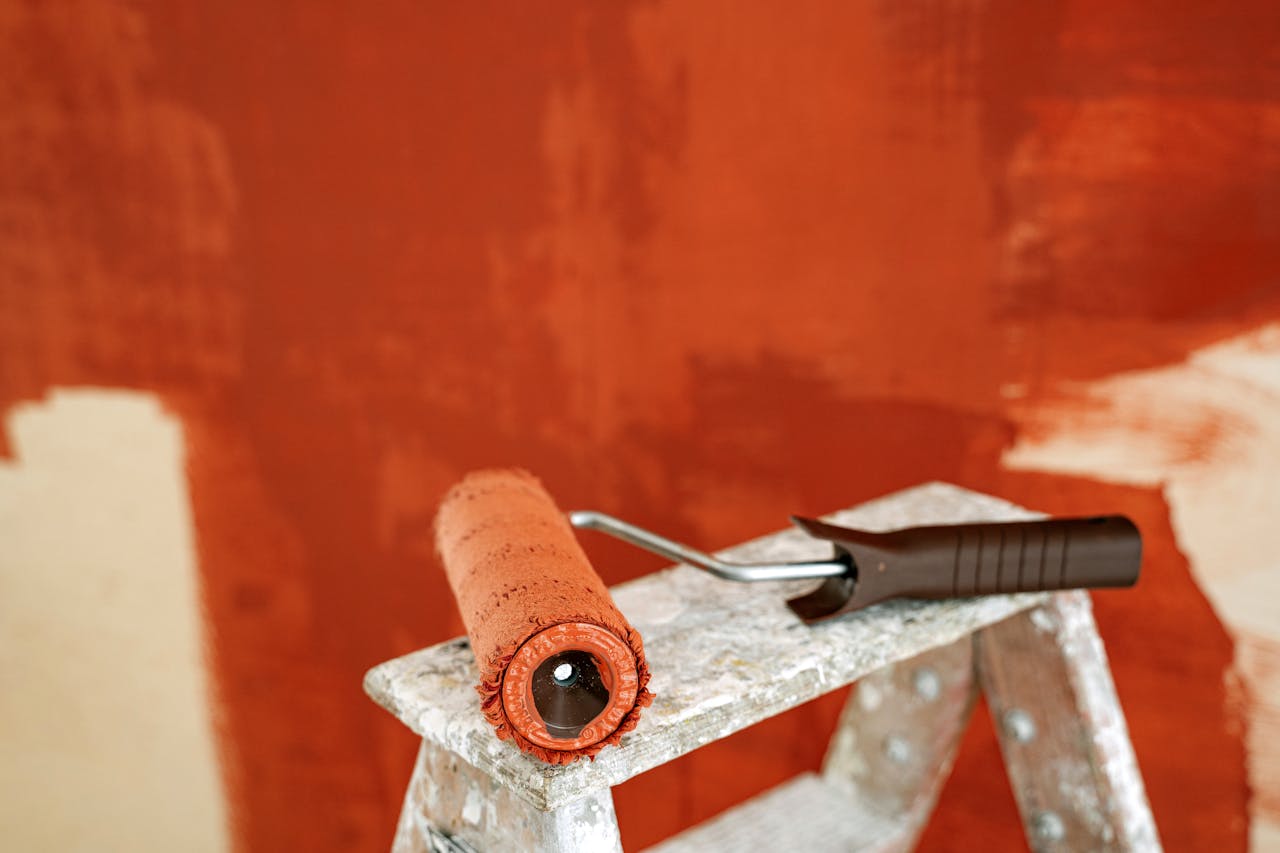
When you think about wall finishes, your mind may instantly jump to flat, satin, or glossy latex paints! However, there is another centuries-old option that has made quite a strong comeback in the modern interiors- limewash. Limewash is generally known for its soft, rather suede-like texture and its earthy depth. This technique goes centuries back, but is highly regarded for adding a unique ambiance to a space. The finish provided by limewash is something that cannot be replicated with synthetic finishes. If you want to give your walls a breathable and textural finish that also changes with the light, here is what you need to know about limewash. Let’s learn more about this visually rich and naturally protective coating.
What Makes Limewash Paint So Unique?
Premium lime wash paint is not like conventional paint. It is a mineral-based finish that is made from slaked lime and water, and is sometimes tinted with natural pigments. When applied, it penetrates porous surfaces and forms calcite crystals. These tiny crystals scatter light in different directions and give the surface a velvety, glowing look.
What makes this finish particularly distinctive is its tonal variation. Unlike uniform paint colors, limewash develops a layered, cloud-like appearance. This is why no two limewashed walls look exactly the same. This is part of its charm! Walls finished in limewash seem to have depth and texture built into them, with a matte surface that shifts subtly depending on how light hits it throughout the day.
Besides the aesthetics, limewash is breathable. This means it lets moisture escape and helps to prevent buildup inside the walls. That feature makes it particularly ideal for older homes or any structure where wall breathability is a concern. It also has antibacterial properties and is naturally resistant to mold.
Where and How to Use Limewash Paint
In order to get the best results, limewash should only be applied on absorbent, mineral-based surfaces. This includes brick, masonry, plaster, stone, or even bare wood. It will not stick properly to glossy or sealed walls and does not pair well with latex or oil-based paints. If your walls are already painted, you will need to strip them completely and apply a breathable primer compatible with lime-based products.
Proper application is important for the final effect. Limewash is not meant to be rolled or sprayed like regular paint. Instead, you will need a coarse-bristle brush- usually one made specifically for limewash. The first coat should be worked into the surface with circular motions. This lets the pigment settle into the natural texture of the wall. Usually, two or three follow-up coats are applied using long, sweeping vertical strokes. This creates the signature suede-like look that is soft to the eye and tactile in feel.
It is important to dampen the surface before painting, especially on porous materials like brick or plaster. The moisture helps the limewash absorb more evenly and reduces the risk of cracking or powdery residue. Also, consider that limewash dries several shades lighter than it appears when wet. Hence, it is a good idea to always test a sample before committing to a full wall.
Modern Applications and Color Options
While limewash has roots in Roman architecture and rural barns, today it can be seen in high-end interiors across a variety of styles. Its ability to soften harsh light and add visual interest to flat walls makes it a preferred option for designers and homeowners who want to create depth without clutter.
Color options have also increased in recent years. Traditional limewash was limited to pale earth tones due to its natural mineral base. Now, thanks to the addition of natural and synthetic pigments, you can find limewash in soft greys, warm terracotta, stormy blues, and even near-blacks. However, do not expect to find the rich saturation of modern acrylic paints. Limewash tends to produce rather muted, weathered tones that evolve over time, adding to its character.
Because of its visual movement and matte texture, limewash works especially well in spaces where you want to create a mood. For instance, bedrooms, dining rooms, or cozy reading nooks! It is also becoming increasingly popular for feature walls, fireplaces, and even kitchen backsplashes- provided those areas do not take heavy wear or water exposure.
Final Thoughts
Limewash is a finish that can transform your surfaces into living, breathing elements of a room. With its subtle tonal shifts and tactile texture, it offers a soft elegance that you do not see in modern paints. While the application process requires more care and technique, the payout is a timeless look that brings organic beauty and historical depth into any space. So, what is going to be your next limewash project?