

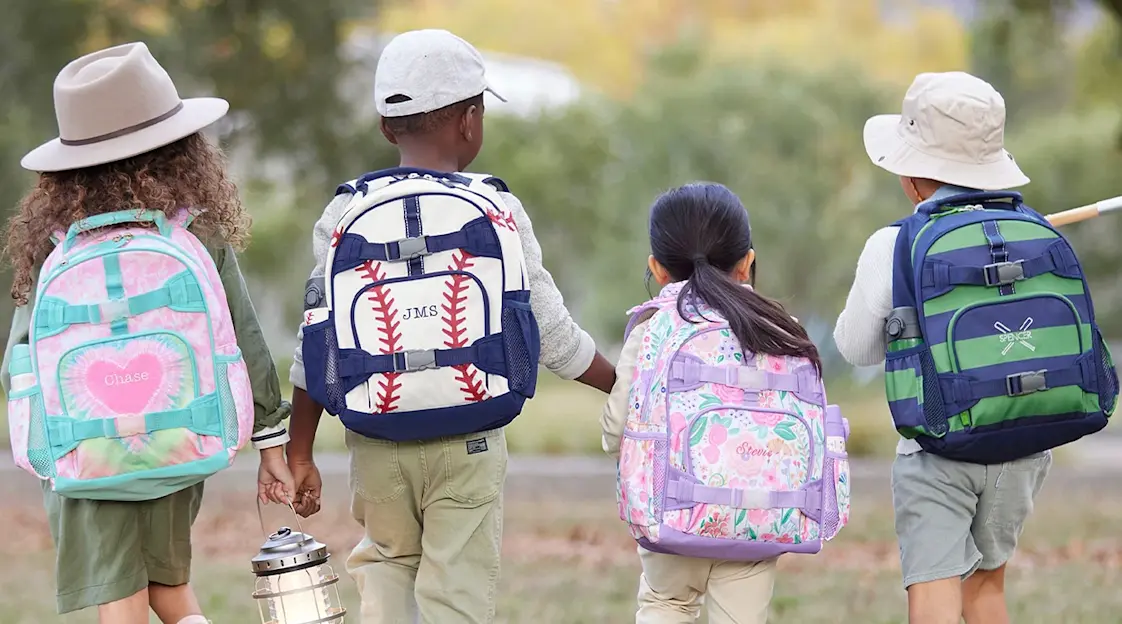
Selecting appropriate school carrying solutions requires balancing numerous factors beyond simple aesthetic appeal or character licensing that typically drives children’s preferences. Orthopedic research indicates children carrying more than 15% of their body weight risk developing musculoskeletal issues, yet typical elementary students regularly transport loads exceeding this threshold. Finding durable and stylish kids’ backpacks means navigating competing considerations including physical development support, practical functionality, material durability, and age-appropriate designs that encourage independence. This comprehensive guide walks parents through a systematic selection process based on developmental ergonomics, materials science, and practical school-day functionality—helping identify options that genuinely support educational success while protecting physical well-being during critical growth years.
Understanding Age-Appropriate Sizing Parameters
Proper proportional fit dramatically impacts both comfort and potential musculoskeletal stress. Elementary-age children require backpacks with harness systems positioned for narrower shoulders—specifically, straps should attach to the bag approximately 2-3 inches apart rather than the 4-5 inches common in adult designs. This positioning prevents straps from constantly slipping off shoulders, which leads to asymmetrical carrying patterns potentially causing alignment issues.
Height-to-backpack ratio provides another critical measurement often overlooked. The backpack should never extend above the child’s shoulders or below their waist more than 4 inches, regardless of style preferences. Oversized bags encourage overloading while their disproportionate dimensions create awkward weight distribution that encourages slouching posture. For elementary students, this typically translates to backpacks measuring 14-16 inches in height, adjusting upward as children grow.
Weight considerations extend beyond just the contents. Empty backpack weight itself significantly impacts overall carrying load—particularly for younger children. Quality materials needn’t mean heavy construction; look for lightweight alternatives using modern technical fabrics rather than canvas or leather that can add unnecessary weight before even adding school supplies. Ideally, empty backpacks should weigh under 1 pound for grades K-3 and under 1.5 pounds for grades 4-6.
Material Assessment for Real-World Durability
Denier ratings provide objective durability metrics beyond vague marketing claims like “heavy-duty” or “tough.” For children’s daily use, minimum 600D polyester provides adequate durability for normal school conditions, while 900-1200D materials offer substantially improved abrasion resistance for rough handlers or those walking to school in variable weather conditions. Avoid ultra-lightweight materials below 400D that typically fail within a single school year.
Reinforcement construction at critical stress points determines long-term durability far more than basic material specifications. Examine stitching patterns at shoulder strap attachment points—quality construction features box-stitching or X-pattern reinforcement using minimum #69 nylon thread. Similarly, bottom panel construction should incorporate either double-layer material or separate reinforcement patches where the backpack contacts ground surfaces.
Zipper specifications dramatically impact functional lifespan. YKK zippers sized appropriately for the application (typically #5 or #8 for main compartments) provide significantly better durability than unbranded alternatives. More importantly, examine zipper installation—quality construction includes fabric flaps protecting zipper chains from direct stress and fabric-reinforced endpoints preventing zipper sliders from detaching under pressure.
Functional Organization for Educational Success
Compartmentalization supports developing executive function skills through physical organization systems. For younger children (K-3), simpler designs with 2-3 well-defined compartments prove more effective than complex multi-pocket systems that create confusion. Older elementary students benefit from increased organization options including dedicated technology sleeves, pencil organizers, and separated homework sections.
Interior visibility significantly impacts practical usability. Dark-colored interior linings common in many children’s backpacks create “black hole” effects where items disappear from easy view. Quality designs feature contrasting lighter interior fabrics—typically in bright colors or patterns—creating visual differentiation between items and lining. This seemingly minor feature dramatically improves children’s ability to locate specific supplies quickly.
External accessibility features support age-appropriate independence. Side water bottle pockets should measure minimum 6 inches deep with elastic retention systems strong enough to actually secure bottles during movement. Quick-access front pockets ideally feature weather-protective flaps rather than exposed zippers that allow water intrusion during rainy conditions. For children with recess equipment, external attachment points or dedicated ball/equipment pouches prevent internal contamination from playground dirt.